
Tools
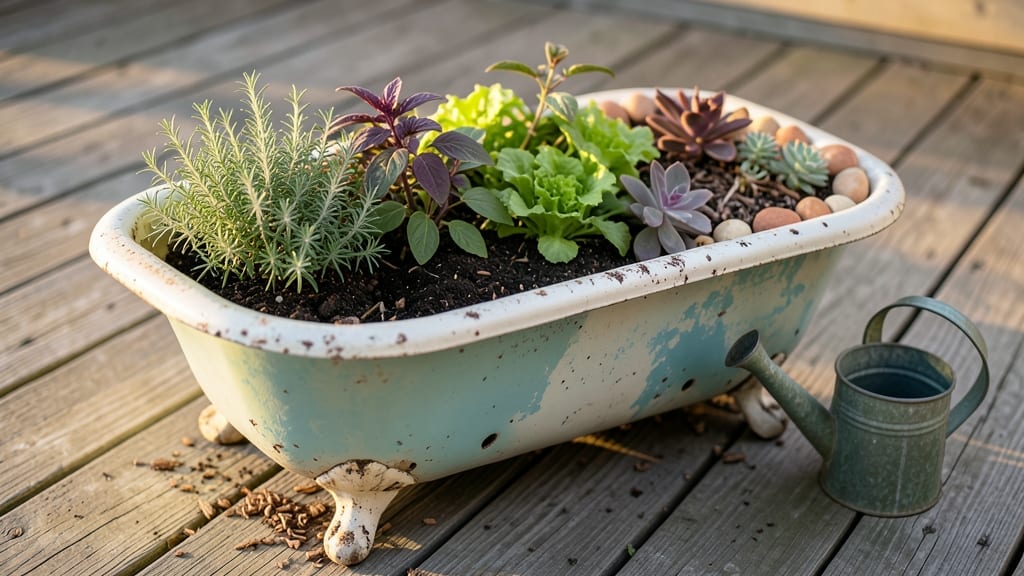
A garden bathtub is a shallow, sunken planter designed to hold soil or water for growing plants, creating an ideal microclimate for roots. These versatile containers excel at hydroponics, seed germination, or root propagation while shielding delicate roots from temperature swings and pests. Whether you build one yourself or buy a pre-made unit, they offer an affordable way to maximize small spaces for herbs, greens, or cuttings.
A garden bathtub essentially acts as a controlled environment for plant roots. 🌱 Unlike traditional pots, their shallow design promotes better aeration and moisture retention, which is especially beneficial for shallow-rooted plants like herbs or lettuce.
The sunken nature also helps regulate soil temperature, preventing heat stress in summer or chilling damage in winter. Many gardeners use them for hydroponic setups because the contained water system minimizes nutrient loss while maximizing root access to oxygen.
What sets them apart from regular containers is their ability to mimic natural soil conditions without the bulk. For example, a repurposed plastic tub lined with landscape fabric can work just as well as a commercial model—just ensure proper drainage.
The key is matching the material to your plants: wood works beautifully for moisture-loving greens, while plastic handles hydroponics best due to its lightweight and non-reactive properties.
💡 In This Article
- How Garden Bathtubs Improve Plant Root Health
- DIY vs. Pre-Made Garden Bathtubs: Cost and Material Guide
How garden bathtubs improve plant root health
Garden bathtubs create an ideal microclimate for roots by maintaining consistent moisture levels and temperature. Unlike traditional pots, their shallow design allows roots to spread horizontally rather than downward, which is perfect for shallow-rooted plants like basil or strawberries.
The sunken structure also insulates roots from extreme temperatures—soil inside stays 5-10°F cooler in summer and 5-15°F warmer in winter compared to exposed pots, reducing stress. 🌱
The real magic happens with aeration. Traditional pots compact soil over time, cutting off oxygen to roots. Bathtubs let you layer coarse materials like perlite or gravel at the bottom, creating air pockets that mimic natural soil structure.
For hydroponic setups, this means roots get both water and oxygen simultaneously—critical for fast-growing plants like lettuce or herbs. Studies show roots in aerated systems grow 30-50% faster than in dense soil.
Overwatering is a common killer of container plants, but bathtubs solve this with their controlled drainage. The shallow design means excess water drains quickly, preventing root rot while still keeping moisture levels optimal.
For example, a bathtub filled with 50% coco coir and 50% perlite holds moisture for 3-5 days without drowning roots—ideal for herbs that need frequent watering but hate soggy soil.
Nutrient runoff is another issue in traditional containers, but bathtubs contain everything. When you add compost or slow-release fertilizer, it stays put rather than leaching away. This is especially valuable for hydroponic systems where nutrients are carefully balanced—bathtubs let you maintain precise concentrations without constant monitoring. 💧
Consider the difference between soil and hydroponic setups: Soil bathtubs work best for plants that need organic matter (like tomatoes), while hydroponic versions excel with leafy greens. The key is matching the medium to your plant's needs—bathtubs simply give you more control over both.
For example, a bathtub filled with 2 inches of gravel, 4 inches of hydroponic clay pebbles, and 6 inches of water creates perfect conditions for growing lettuce from seed to harvest in just 4-6 weeks. The roots thrive in this oxygen-rich environment, resulting in crisp, flavorful leaves.