
Tools
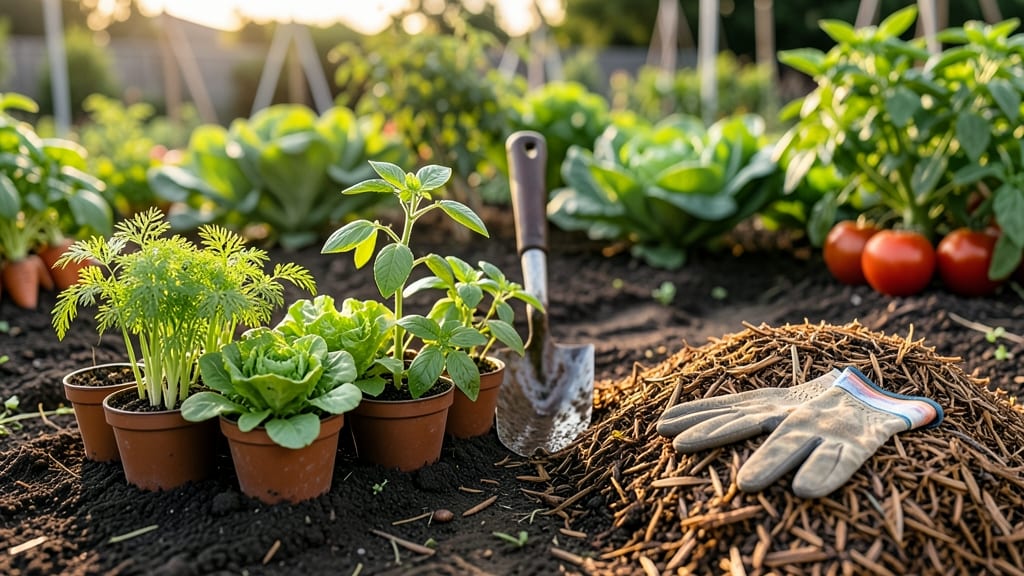
Garden soil is used to provide essential nutrients, moisture retention, and proper drainage for plant roots, while supporting microbial activity that breaks down organic matter for healthy growth and disease resistance. Its texture and composition directly influence root development and yield quality.
Garden soil serves as the foundation for healthy plant growth by delivering a balanced mix of nutrients like nitrogen, phosphorus, and potassium that roots absorb directly. 🌱 The right soil structure—whether loamy, sandy, or clay-based—also determines how well water and oxygen reach roots, preventing both drought stress and waterlogging.
What many gardeners overlook is how soil microbes act as tiny recyclers, breaking down organic material into plant-available forms while suppressing harmful pathogens.
Beyond basic nutrition, soil quality affects everything from seed germination rates to harvest size. For instance, container gardens need lighter, well-draining mixes, while vegetable plots benefit from deeper, nutrient-rich topsoil.
I've seen firsthand how amending compacted clay with compost can transform a struggling garden into a thriving ecosystem within a single season.
💡 In This Article
- Key Functions of Garden Soil in Plant Nutrition
- Choosing and Improving Soil for Optimal Gardening
Key functions of garden soil in plant nutrition
Garden soil acts like a living ecosystem where roots feed on a carefully balanced cocktail of nutrients. The organic matter—think decomposed leaves, compost, or worm castings—provides a slow-release reservoir of nitrogen, phosphorus, and potassium, which are the building blocks for leaf growth, root development, and energy storage.
For example, a single gram of healthy garden soil can contain billions of bacteria and fungi that work together to break down complex organic compounds into simpler forms plants can absorb through their roots.
The soil's texture determines how efficiently water and oxygen reach those roots. Sandy soils drain too quickly, often flushing away nutrients before plants can use them, while clay soils hold water like a sponge but suffocate roots by blocking oxygen.
The ideal loamy soil—a mix of sand, silt, and clay—strikes a balance, retaining moisture while allowing air circulation. This is why gardeners often amend heavy clay with sand and compost or lighten sandy soil with peat moss or coconut coir to improve water retention.
pH balance is another critical factor, as it determines which nutrients are available to plants. Most vegetables thrive in slightly acidic to neutral soil (pH 6.0-7.0), where essential minerals like iron and zinc dissolve into forms roots can absorb.
Blueberries, however, need acidic soil (pH 4.5-5.5) to access aluminum, which they require for flavor development. Testing your soil's pH with a simple kit can reveal whether you need to add lime (to raise pH) or sulfur (to lower it).
Microbes play an invisible but vital role by forming symbiotic relationships with plant roots. Mycorrhizal fungi, for instance, extend root systems by up to 100 times their original length, allowing plants to access water and nutrients from a wider area.
These microscopic partners also produce antibiotics that suppress harmful pathogens, reducing the need for chemical pesticides. In fact, studies show that plants grown in soil with active mycorrhizal networks can grow 20-30% faster and produce higher yields.
Even the soil's color can hint at its health. Dark, crumbly soil rich in organic matter holds nutrients and moisture like a sponge, while pale, powdery soil often indicates depleted nutrients or poor structure.
For example, adding well-rotted manure not only replenishes nitrogen but also improves soil structure by creating tiny air pockets that roots need to breathe.
This is why experienced gardeners swear by building soil health over time—it's like creating a bank account for your plants that pays dividends in growth and resilience.
What most gardeners don't realize is how soil temperature affects nutrient availability. Cooler soils slow down microbial activity, which can delay nutrient release, while warmer soils (especially in summer) may cause essential nutrients like nitrogen to volatilize and escape.
This is why fall is often the best time to add organic amendments—the cooler temperatures allow microbes to work efficiently without losing nutrients to heat. 🌱