
Tools
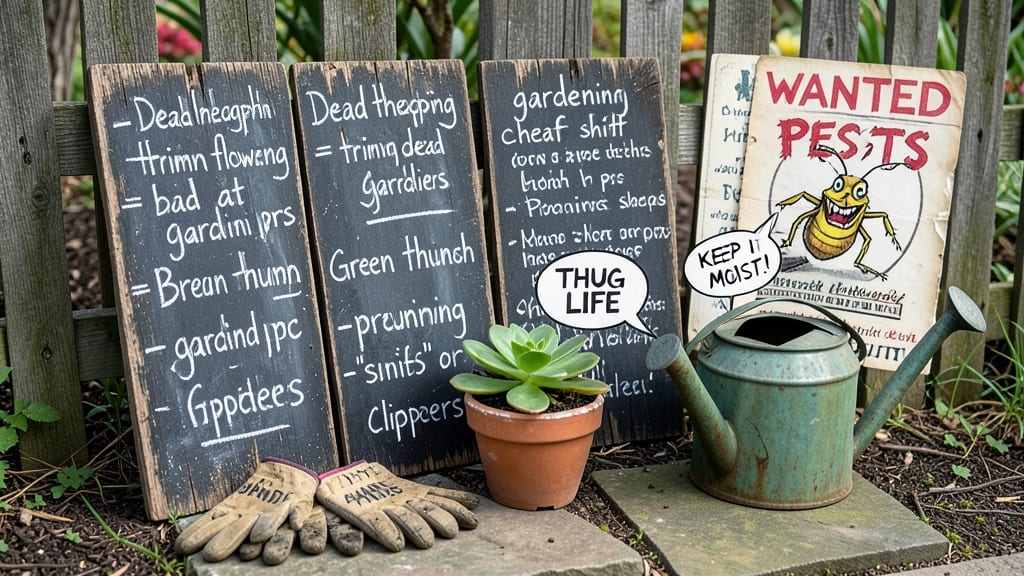
Gardening slang describes the colorful, informal language gardeners use to talk about plants, tools, and growing challenges—think of 'seedling' for a young plant or 'thug' for a tough weed. These terms make conversations faster and more fun, often tied to local traditions or shared experiences among gardeners.
These terms aren't just playful—they reflect real gardening wisdom. 🌱 For example, calling a plant "leggy" means it's stretching too tall from lack of light, while "hardening off" describes the process of preparing seedlings for outdoor conditions.
Many slang words also carry historical roots, like "tomato" (originally called "love apple" in colonial times) or "bug" (a catch-all term for insects). Understanding this lingo helps you connect with fellow gardeners and troubleshoot problems faster.
Beyond plants, gardening slang extends to tools and techniques too. A "trowel" might be called a "hand shovel" in some regions, while "compost tea" refers to nutrient-rich liquid made from compost. Even weather terms get creative—"Indian summer" describes unseasonably warm fall days that extend the growing season.
The best part? These phrases often come with stories, like how "grandma's marigolds" became shorthand for calendula because of its popularity in older generations.
💡 In This Article
- Origins and Evolution of Common Gardening Slang
- Essential Gardening Slang Terms Every Beginner Should Know
Origins and evolution of common gardening slang
Gardening slang evolved as a practical shortcut for gardeners to communicate quickly about plants, pests, and techniques. Before standardized botanical terms, gardeners relied on local dialects and hands-on experience.
For example, the term "green thumb" emerged in the early 20th century to describe someone with a natural talent for growing plants—though science shows it’s more about patience, soil knowledge, and environmental conditions than actual thumb color. 🌱 The phrase likely originated from the idea that nurturing plants was like having a magical touch.
Historical influences shaped many terms. Colonial gardeners in America often used British slang, like calling a "bug" any small creature (insects, spiders, or even slugs).
Meanwhile, Victorian-era gardeners coined terms like "hardening off" to describe acclimating seedlings to outdoor conditions—a process that involves gradually exposing plants to sunlight and wind over 5-7 days.
Regional dialects also played a role: In the South, "tomato" might be called a "love apple" (a colonial-era term), while in New England, "squash" could refer to any summer squash, regardless of variety.
Humor and storytelling are key reasons slang persists. Calling a stubborn weed a "thug" or a leggy plant "stretching" makes gardening feel less technical and more personal.
These terms often carry cultural weight too—like "grandma’s marigolds," which refers to calendula, a flower many older generations grew for its medicinal properties and bright blooms. 💫 This kind of slang fosters community, making gardening feel like a shared tradition rather than a solitary task.
Even scientific terms got informal twists. The phrase "compost tea" describes liquid fertilizer made by steeping compost in water, but gardeners might joke about it being "plant juice." Meanwhile, "cut-and-come-again" refers to harvesting herbs like basil or cilantro by snipping stems just above a leaf node, encouraging regrowth.
These terms simplify complex processes, making them easier to discuss—especially when explaining to beginners.
Modern slang also reflects technological changes. Terms like "hydroponics" (growing plants in water-based nutrient solutions) or "container gardening" became mainstream as urban gardening grew. Even social media has introduced new phrases, like "plant mom" for someone who nurtures houseplants like children.
The evolution of gardening slang mirrors the craft itself: always adapting, always growing.
What’s fascinating is how these terms travel. A phrase like "squishy soil" might start in a community garden in California but spread nationwide through gardening blogs and forums. The result? A living, breathing language that keeps the hobby vibrant and connected. 🌿