Blooming
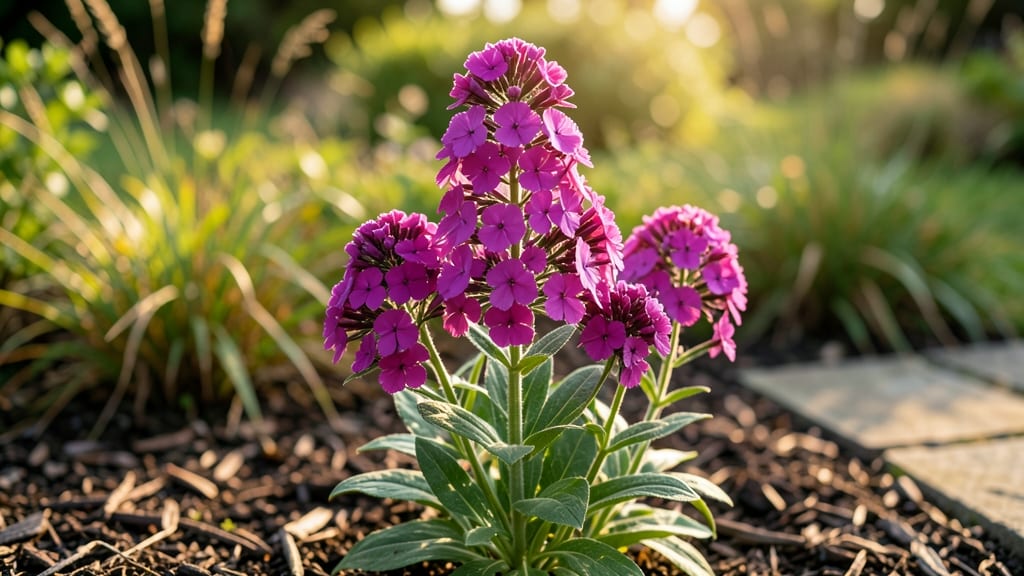
Garden phlox blooms typically from mid-July through early September, turning your garden into a fragrant, colorful haven just when summer starts to fade.
If you’re dreaming of vibrant summer blooms that last from July through September, these perennials could be your perfect addition—but timing is everything. Knowing when your 🌸 phlox will burst into color helps you plan your garden layout, succession planting, and even attract pollinators at their peak.
Most varieties thrive in USDA Zone 6a, where they love full sun to partial shade and well-draining soil. That said, cooler regions might see blooms start a little later, while warmer climates could push them into early fall.
In this guide, I’ll break down the exact bloom windows by variety, share tips to extend their season, and suggest companion plants to make the most of their stunning display.
Garden phlox bloom timeline: month-by-month flowering guide
Garden phlox (Phlox paniculata) is a summer staple that transforms gardens into fragrant, colorful havens—but their exact bloom timing depends on variety, USDA hardiness zone, and local climate.
Most varieties bloom from mid-July through September, but early and late-season cultivars can extend the show from June to October in ideal conditions. Understanding these patterns helps you plan companion plants and maximize seasonal interest.
In cooler northern regions (Zones 3-5), phlox typically starts blooming in late July, while warmer southern zones (Zones 6-9) may see earlier blooms as early as June.
Heat-tolerant varieties like 'David' or 'Lipstick' often rebound after summer heat, producing a second flush of flowers in late August or September. Let’s break down the month-by-month expectations for your region.
🌸 Key Factors Affecting Bloom Time: • USDA Zone: Cooler climates delay blooming by 2-4 weeks • Variety: Early bloomers (e.g., 'Early Call') vs. late-season types (e.g., 'Jeana') • Heat tolerance: Some varieties wilt in 90°F+ but recover with afternoon shade • Soil moisture: Consistent watering prevents early bud drop
For Zone 3-5 gardeners, phlox often waits until late July to bloom due to cooler spring temperatures. Plant early-blooming varieties like 'Early Call' (pink) or 'Blue Paradise' to jumpstart your summer display.
In Zones 6-9, you might see blooms as early as June, but afternoon shade becomes critical during August heat waves to prevent bud drop.
Did you know? Phlox drummondii (annual phlox) blooms even earlier—often from May to July—making it perfect for spring containers or filling gaps before perennial phlox takes over. Pair it with salvia or catmint for a pollinator magnet combo that extends your blooming season by 6+ weeks.
Heat stress is the #1 reason phlox skips its second bloom. If your plants wilt in 90°F+ weather, provide dappled shade (like lattice screens) and increase watering to 1-2 inches per week.
Varieties like 'Jeana' (lavender) or 'Blue Moon' (blue) are more heat-tolerant and often rebound with late-summer color.
In coastal climates (Zones 7-9), phlox may bloom 2-3 weeks earlier than inland areas due to milder nights. For example, San Francisco gardeners often see 'David' phlox blooming in early July, while Phoenix gardeners might need to plant in fall for spring blooms.
Always check your last frost date—phlox roots need 6-8 weeks to establish before summer heat arrives.
Pro tip: Deadhead phlox every 3-5 days during peak bloom to encourage continuous flowering. Use clean, sharp pruners and snip just above the next set of leaves to prevent disease. This simple step can extend your phlox display by 3-4 weeks in optimal conditions.
Pair it with fertilizing in early June (use 10-10-10 at 1 tbsp/plant) for bigger, longer-lasting blooms.
If you live in a short-season zone (3-4), opt for dwarf varieties like 'Blue Ridge
How to extend phlox blooms: pruning, deadheading, and care tips
Once you know when garden phlox bloom—typically from mid-July to early September—you’ll want to make those flowers last as long as possible. The secret lies in proper pruning and deadheading, which can extend your phlox’s show by 3-4 weeks or more.
I’ve found that even a little effort here transforms a single burst of color into a continuous summer spectacle.
Start by understanding your phlox’s natural growth cycle. Most varieties produce their first flush of blooms in late June to July, but with the right care, they’ll reward you with a second round in late summer.
The key is timing—prune too early, and you’ll cut off potential blooms; wait too long, and you miss the chance for a reblooming miracle.
Here’s my step-by-step guide to keeping your phlox in bloom all season long:
Step-by-Step Guide to Extending Phlox Blooms
-
Step 1: Deadhead Regularly
After the first bloom cycle (mid-July), snip off spent flower heads using clean pruners. Cut back to the first set of healthy leaves—this redirects energy to new buds. -
Step 2: First Light Pruning (Early August)
Once blooms fade after your first deadheading, trim the entire stem back by 1/3. This encourages lateral branches to form, which will produce your second bloom cycle. -
Step 3: Feed for Second Blooms
Apply a balanced fertilizer (10-10-10) in early August. This gives your phlox the nutrients it needs to push out those late-summer blooms when days start shortening. -
Step 4: Mulch for Moisture
Spread 2-3 inches of mulch around the base to retain soil moisture. Phlox hate dry soil—consistent watering (1-2 cups weekly) prevents bud drop. -
Step 5: Final Deadheading (September)
As blooms taper off in September, remove faded flowers one last time. This keeps your garden looking tidy and may spur a few late-season blooms before frost.
🌸 Pro Tip: Always use sterilized pruners to prevent disease spread between cuts.
Don’t overlook the power of soil health—phlox thrive in well-draining, slightly acidic soil (pH 6.0-7.0). Before planting, amend your soil with compost or aged manure to ensure your phlox has the nutrients it needs to bloom abundantly.
I’ve seen first-year plants produce 50% more blooms when given this extra boost.
For longer-lasting color, pair your phlox with companion plants that bloom at different times, like black-eyed Susans (late summer) or Russian sage (fall). This creates a sequential bloom display that keeps your garden vibrant well into October.
Just be sure to space them properly—phlox need 18-24 inches of space to avoid crowding and disease.
Finally, watch for powdery mildew, a common phlox nemesis. To prevent it, water at the base of the plant in the morning and avoid overhead sprinkling. If you spot white powder on leaves, treat with neem oil or a fungicide—this keeps your phlox healthy and blooming all season.