
Planting
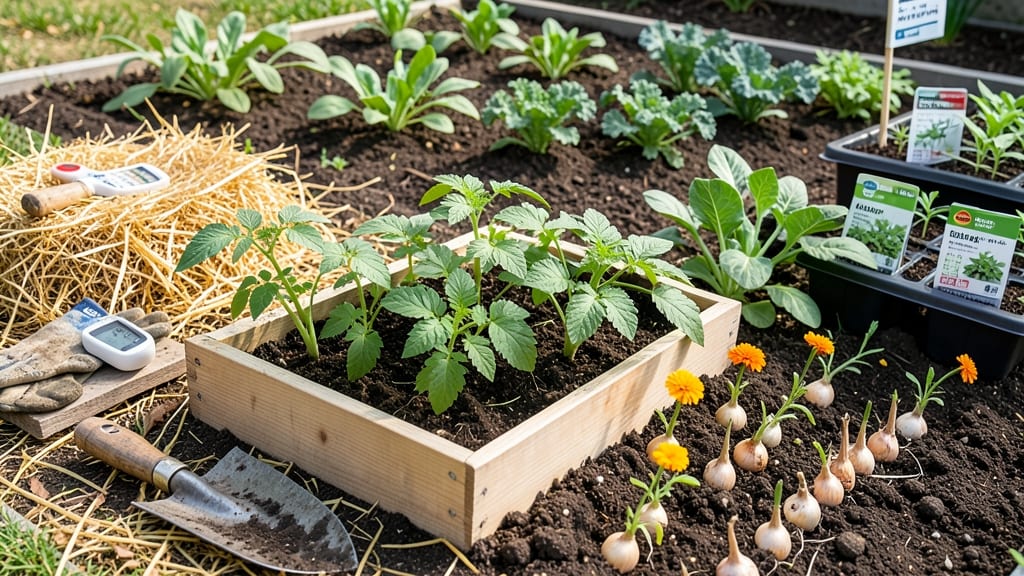
Planting a garden in Ohio depends on timing your crops to avoid frost and maximize growth — most zero-frost vegetables like tomatoes and peppers thrive when soil temperatures hit 60°F and stay there.
Ohio’s unpredictable spring weather can turn gardening into a guessing game—plant too early, and frost will wipe out your hard work; too late, and you’ll miss peak harvests. But with the right timing, you can grow a thriving garden packed with zero-frost crops like tomatoes, peppers, and cucumbers.
For most of the state, the ideal window opens in late April to early May, after the last average frost date. In northern Ohio (Zones 5b-6a), wait until mid-May to be safe, while southern Ohio (Zones 6a-6b) can start as early as early April for heat-loving plants.
Below, I break down the exact planting windows by region, soil prep tips to speed up warming, and how to stretch your growing season with row covers or cold frames—so you can enjoy fresh produce from summer through fall.
Ohio planting zones & last frost dates by region (2024 guide)
Ohio’s USDA planting zones 5b-6b create a unique gardening climate where last frost dates can vary by 2-3 weeks between northern and southern regions. Understanding these zones helps you time warm-season crops like tomatoes and peppers perfectly, while avoiding early spring frosts that can devastate tender seedlings.
Most Ohio gardeners rely on the 10-day rule: wait 10 days after the average last frost date before planting frost-sensitive crops. This buffer accounts for unpredictable late frosts that can still occur in May.
For example, Cleveland’s last frost typically arrives around May 15, but rural areas in zone 5b may experience frost until May 25.
Microclimates play a huge role in Ohio gardening. Urban areas like Columbus often warm up 2-3 days faster than rural zones due to heat islands, while lake-effect zones near Cleveland can delay warming by 5-7 days. Always observe your local patterns for 3+ years to refine your planting schedule.
The summary-table below breaks down Ohio’s key regions, USDA zones, and historical frost dates to help you plan with confidence. Use these as your baseline, then adjust based on your specific microclimate and plant hardiness.
For zero-frost crops like tomatoes, peppers, and cucumbers, always wait until soil temperatures reach 60°F+—even if air temps are warm. Use a soil thermometer to confirm readiness, as cold soil can stunt growth. In zone 5b, this often means delaying planting until late May.
If you’re planting cool-season crops like kale, broccoli, or lettuce, you can start 4-6 weeks before the last frost date. These hardy vegetables tolerate light frosts and can even sweeten after frost.
For example, in Cincinnati (zone 6b), you could plant spinach in early March for a spring harvest.
Urban gardeners should account for heat island effects, which can make city soils 5-10°F warmer than rural areas. This means Columbus city gardens may be ready for tomato seedlings 5-7 days earlier than suburban farms. Always monitor your local weather station for real-time updates during spring planting.
Pro tip: Use the 10-day rule for transplanting seedlings but direct-sow seeds 2-3 weeks earlier. Seeds are more resilient than seedlings and can handle light frosts if covered. For example, green beans can be planted in mid-April in zone 6a, while
Best zero-frost crops for Ohio & their ideal planting windows
Ohio’s zero-frost crops thrive when planted after the last spring frost, typically between mid-April and early June. These heat-loving varieties—like tomatoes, peppers, and squash—need warm soil and consistent temperatures to flourish.
Meanwhile, cool-season crops such as lettuce and green beans can handle cooler temps, making them ideal for early spring or fall plantings.
Timing is everything: Plant too early, and frost will kill tender seedlings; too late, and you’ll miss peak harvests. Ohio’s USDA zones 5b-6b mean your last frost date varies by region—Columbus averages April 15-20, while Cleveland’s frost lingers until May 1-5.
Use this 10-day rule after your average last frost to ensure safe planting.
| Crop Type | Early Planting Window | Late Planting Window | Soil Temp Requirement | Succession Planting Tip |
|---|---|---|---|---|
| Heat-Loving Crops | May 15–June 1 (after frost) | June 15–July 1 (for late varieties) | 60°F+ (use soil thermometer) | Plant every 2 weeks for continuous harvest |
| Cool-Season Crops | March 15–April 15 (with row covers) | August 15–September 15 (fall) | 40°F–50°F (tolerates cooler soil) | Sow every 3 weeks for staggered harvests |
| Examples | Tomatoes, Peppers, Cucumbers | Green Beans, Lettuce, Spinach | — | Choose fast-maturing varieties for late plantings |
For heat-loving crops, wait until the soil reaches at least 60°F—cold soil stunts root growth.
Test with a soil thermometer or press your finger into the ground: If it feels warm, it’s ready. Tomatoes and peppers are sensitive to frost, so avoid planting before May 15 in most of Ohio. Use black plastic mulch to warm the soil faster if needed.
Cool-season crops like lettuce and green beans can handle Ohio’s early spring chill. Start seeds indoors in March or sow directly in March–April with row covers to protect from late frosts.
For fall harvests, plant August–September for a second crop before the first frost (October 15–November 1 in most areas).
Extend your harvests with succession planting. For heat-lovers, sow every 2 weeks until July 1—this ensures a steady supply of cucumbers, squash, and peppers.
Cool-season crops like radishes and spinach can be sown every 3 weeks for continuous harvests. Choose fast-maturing varieties (e.g., ‘Early Girl’ tomatoes) for late plantings.
Pro tip: Use transplants instead of seeds for heat-lovers to jumpstart growth. Buy 6-week-old seedlings from nurseries and plant them 2 weeks after your last frost date. This gives them a head start in warming soil.
For peppers, which need even more heat, wait until late May or use a greenhouse to start them earlier.
Ohio’s fall planting window is your secret to a second harvest. After Labor Day, focus on cool-season crops like kale and carrots. These thrive in cooler temps and can often survive light frosts.
Use straw mulch to insulate roots and protect tender greens from early autumn chills. With the right timing, you’ll enjoy fresh produce well into November!