
Blooming
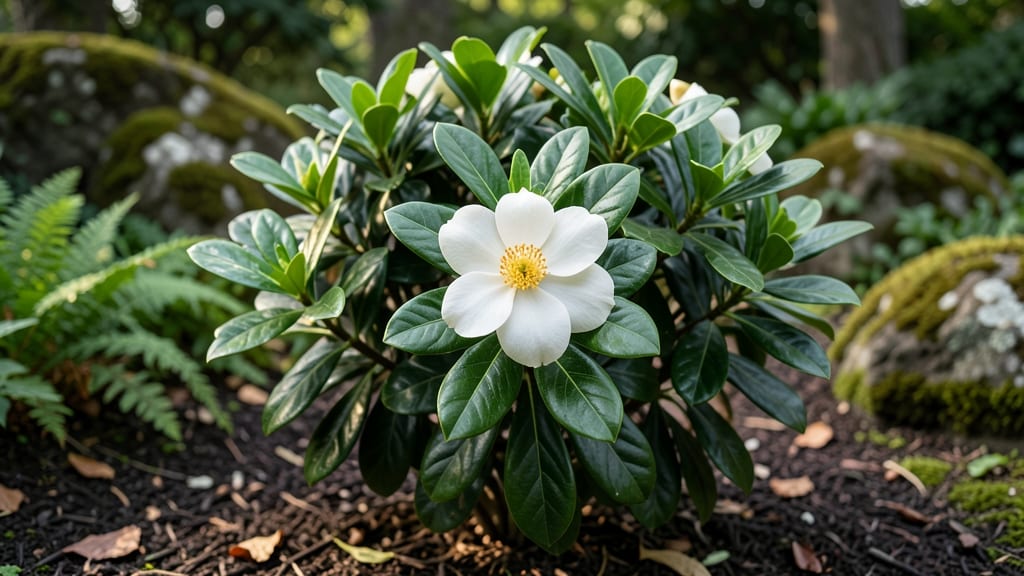
Gardenias bloom during late spring through summer months—typically May to August in most temperate regions—though their exact timing shifts based on variety and local climate conditions.
The blooming window for gardenias depends heavily on your growing zone. 🌸 In warmer southern climates like Florida or California, you might see flowers as early as April, while northern gardeners in zones 7 or cooler often wait until late June or even July.
This variation happens because gardenias need consistent warmth—below 50°F triggers dormancy, halting new blooms. Even within the same month, humidity plays a role: dry air can stress plants, delaying flowering.
What's fascinating is how different gardenia varieties respond. Clem's Pick and Radicans tend to bloom earlier than Kleim's Hardy, which waits for true summer heat. For indoor gardenias, maintaining 65-75°F temperatures year-round helps keep them flowering continuously, though they'll naturally slow down in winter.
The key is balancing warmth with bright, indirect light—too much direct sun can scorch leaves and reduce blooms.
💡 In This Article
- Climate and Seasonal Factors Affecting Gardenia Blooming
- How to Encourage Year-Round Gardenia Blooms
Climate and seasonal factors affecting gardenia blooming
Gardenias are tropical plants at heart, so their blooming cycles are directly tied to temperature thresholds. The magic number is 50°F—when nighttime temperatures dip below this, the plant enters a dormant state, pausing new flower buds from forming.
This is why gardenias in USDA zones 8-11 (like Florida or Southern California) often bloom as early as April, while those in zone 7 (like parts of Virginia) may not see flowers until late June or July.
The plant's internal clock detects these temperature shifts through a process called vernalization, where cooler periods actually trigger flower formation—but only if followed by sustained warmth.
Sunlight exposure creates another critical layer. Gardenias thrive in bright, indirect light, requiring at least 6-8 hours of daily sunlight but with protection from harsh afternoon rays that can scorch their glossy leaves. Too little light (under 4,000 foot-candles) slows metabolism, delaying blooming by 2-3 weeks.
Conversely, direct sun in hot climates can cause heat stress, where flowers form but then drop prematurely. The sweet spot is morning sun with afternoon shade—this balance maximizes photosynthesis while preventing leaf burn. 🌞
Humidity acts as the unsung hero of gardenia blooming. These plants originate from Southeast Asia's tropical forests where relative humidity stays above 60%. In dry climates (like Arizona or Texas), gardenias may produce fewer blooms because low humidity triggers transpiration stress, causing buds to abort.
You can see this in action when gardenias in arid regions develop smaller, fewer flowers compared to their humid-climate counterparts. A simple fix is misting leaves daily or using a pebble tray to maintain moisture levels around the plant.
Frost is the ultimate blooming killer. Even a light frost (32°F) can damage new growth and flower buds, often resulting in blackened stems and delayed reblooming by 4-6 weeks.
This is why gardeners in marginal zones (like zone 7b) often grow gardenias in containers that can be moved indoors during winter. The plant's response to frost isn't just physical damage—it's a metabolic shock that resets the flowering cycle, sometimes requiring a full growing season to recover.
This explains why northern gardeners might see their gardenias bloom later in the season after surviving an early frost.
Seasonal light changes also play a subtle but important role. As daylight hours increase in spring (reaching 14+ hours in summer), gardenias receive the photoperiod signal needed to initiate flowering. This is why gardenias in equatorial regions (like Hawaii) can bloom year-round—they experience minimal daylight variation.
In contrast, temperate climates see more dramatic seasonal light changes, which is why gardenias there have more distinct bloom seasons. The plant's internal circadian rhythms sync with these light patterns to time flower production optimally.
For those tracking blooming windows, here's a quick reference: Early bloomers (April-May) thrive in zones 9-11, mid-season bloomers (June-July) are common in zones 8-9, and late bloomers (July-August) dominate zones 7 and cooler.
The key takeaway is that gardenias are temperature-sensitive opportunists—they'll bloom as soon as conditions are favorable, which is why timing can vary by 6-8 weeks between regions. 🌸