Tools
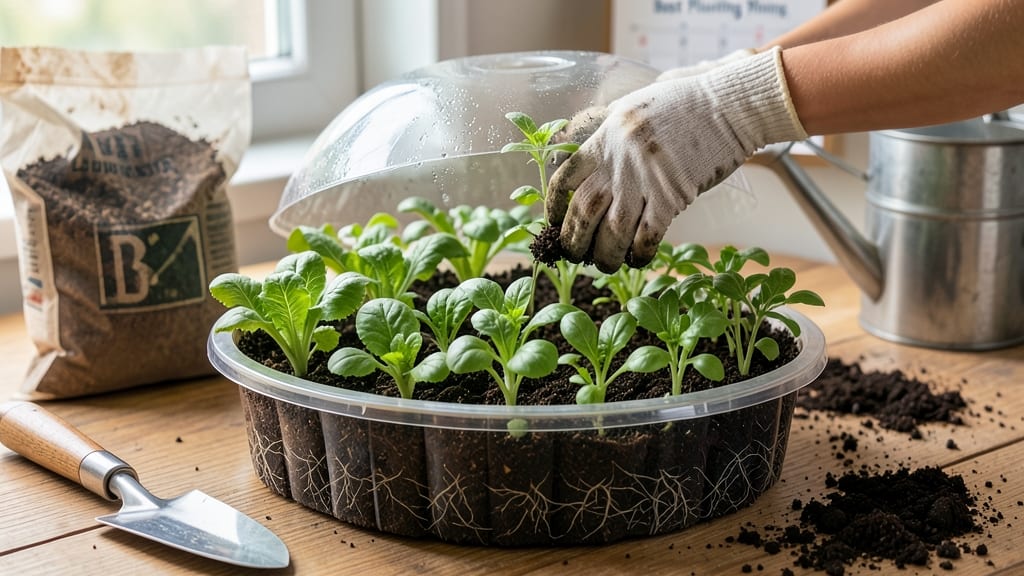
The best time to start a vegetable garden depends on your climate and crop types—spring and fall are the golden windows for most gardeners, but timing can make or break your harvest.
Picture this: you’ve prepped the soil, ordered seeds, and even marked your rows—only to watch your seedlings wilt because you planted too early or too late. That’s why knowing when to start matters more than how much you invest.
Cool-season crops like spinach thrive in early spring, while tomatoes and peppers need warm soil, so aligning your garden with nature’s calendar is the key.
In USDA Zone 6a, like many midwestern gardens, your planting window opens after the last frost—around mid-April for cool crops and late May for warm-season favorites. But regional tweaks matter: coastal areas can start earlier, while mountainous zones may need to wait.
This guide breaks down the exact months for your zone, plus crop-specific tips to avoid common mistakes.
You’ll discover how to read frost dates, adjust for microclimates, and even extend your season with simple tools. By the end, you’ll know exactly when to plant each crop for a bountiful harvest—no guesswork, just results.
Best planting months by hardiness Zone: a climate-smart calendar
Your hardiness zone is the single most important factor in determining the best planting months for your vegetable garden. Whether you're in Zone 3 with harsh winters or Zone 10 with mild winters, aligning your planting schedule with local frost dates and soil temperatures ensures stronger plants and higher yields.
For example, cool-season crops like spinach thrive when planted 4-6 weeks before your last frost date, while warm-season crops like peppers need soil temperatures above 60°F to germinate successfully.
Regional variations also play a critical role. In the Northern Hemisphere, spring planting typically begins in March-April, while Southern Hemisphere gardeners start in September-October. Even within the same zone, microclimates—like urban heat islands or shaded garden spots—can shift optimal planting windows by weeks.
Understanding these nuances helps you avoid common mistakes, such as planting tomatoes too early in cold soil or missing the window for fall harvests of cool-season crops.
Below is a climate-smart calendar tailored to USDA zones 3-10, highlighting the best months for direct sowing and transplanting 15+ common vegetables. Use this as your guide to plan ahead, whether you're preparing seedling starts indoors or prepping your garden beds for outdoor planting.
| Zone | Crop Type | Optimal Months (Direct Sow) | Optimal Months (Transplant) | Soil Temp (°F) | Key Considerations |
|---|---|---|---|---|---|
| 3-4 | Cool-Season | March-April, August-Sept | April-May, July-Aug | 40-50°F | Avoid after last frost; use row covers |
| 5-6 | Cool-Season | February-March, July-Aug | March-April, June-July | 45-55°F | Plant peas early; succession sow lettuce |
| 7-8 | Cool-Season | January-February, July-Sept | February-March, June-Aug | 50-60°F | Fall crops need 60+ days to mature |
| 9-10 | Cool-Season | Year-round (avoid summer) | Year-round | 55-65°F | Use shade cloth in summer |
| 3-4 | Warm-Season | May-June | After last frost (June) | 60-70°F | Start indoors 6-8 weeks before transplant |
| 5-6 | Warm-Season | April-May | May-June | 65-75°F | Use black plastic mulch to warm soil |