Fertilization
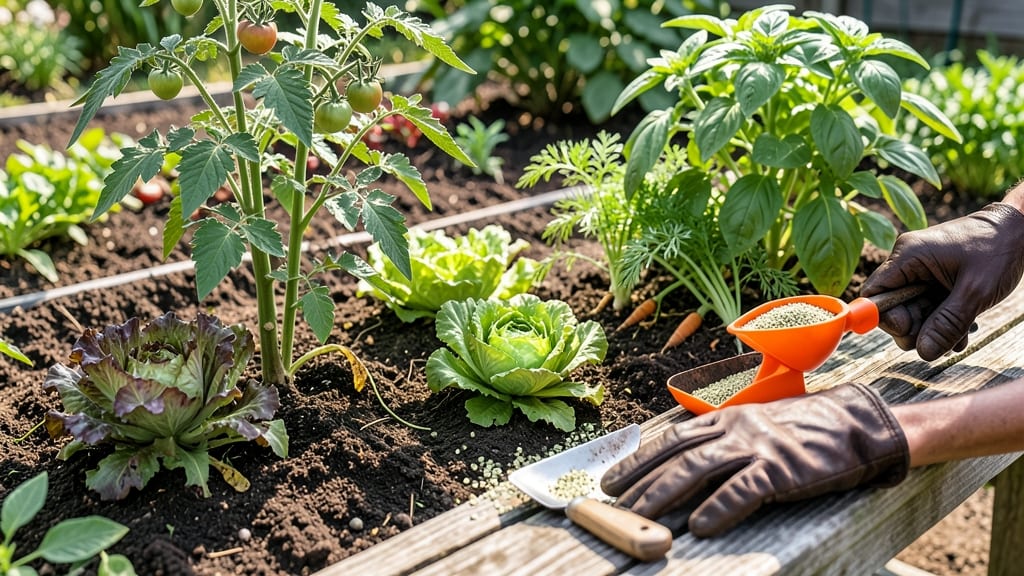
Should you fertilize your garden now or wait until spring? The answer depends on your plants, the season, and what they’re telling you with their leaves.
Timing your garden fertilization wrong can mean wasted nutrients—or worse, stunted plant growth. But get it right, and you’ll unlock lush blooms, bountiful harvests, and healthier soil year after year.
Spring is the gold standard for feeding most vegetables and flowers, but perennials and lawns have different needs. Meanwhile, summer heat can stress plants, making them crave lighter, more frequent feedings.
Here’s how to match your fertilization schedule to your garden’s life cycle, from early spring prep to fall cleanup—plus how to spot when your plants are begging for nutrients (or when you’ve overdone it).
Seasonal fertilization schedule for vegetables, flowers, and lawns
Fertilizing your garden at the right time ensures your vegetables, flowers, and lawns thrive without wasting nutrients or risking over-fertilization. The key is understanding how seasonal changes affect plant growth cycles.
Cool-season crops like lettuce and spinach need feeding in early spring, while warm-season tomatoes and marigolds respond best to summer fertilization.
Your soil temperature and plant type dictate the best timing. For example, perennial flowers benefit from early spring and late summer feedings, while annual vegetables often need monthly fertilization during their growing season.
Lawns, on the other hand, follow a slightly different schedule to promote deep root growth and drought resistance.
| Month | Vegetables (Cool/Warm) | Flowers (Perennial/Annual) | Lawns |
|---|---|---|---|
| January | None (Dormant) | None (Winter Rest) | None (Winter Dormancy) |
| February | Light (Cool-season start) | Light (Perennials only) | None (Pre-spring) |
| March | Feed (Cool-season peak) | Feed (Perennials/Annuals) | Light (Early spring) |
| April | Light (Transition to warm-season) | Feed (Annuals blooming) | Feed (Grass green-up) |
| May | Feed (Warm-season start) | Light (Maintenance) | Feed (Root growth) |
| June | Light (Mid-season) | Feed (Bloom boost) | Light (Summer heat) |
| July | Feed (Peak growth) | Light (Heat tolerance) | Feed (Drought stress) |
| August | Light (Late-season) | Feed (Fall prep) | Light (Pre-fall) |
| September | None (Cool-season start) | None (Late blooms) | None (Fall transition) |
| October |
Signs your garden needs fertilizer (and when to avoid it)Your garden speaks to you through its leaves, stems, and growth patterns. Yellowing leaves between veins often signal a nitrogen deficiency, while purple stems in tomatoes or peppers mean a lack of phosphorus. These visual cues are your first clues that it’s time to fertilize—but timing matters just as much as the nutrients themselves. Before reaching for that fertilizer bag, check your soil moisture levels. During drought conditions or extreme heat, plants struggle to absorb nutrients, making fertilization a waste—or worse, harmful. Over-fertilizing in these conditions can burn roots or create algae blooms in nearby water sources. Always prioritize hydration first. When Should I Fertilize My Garden?
DO Fertilize When:
DON'T Fertilize When:
Pro Tip: Always water plants 24 hours before and after fertilizing to prevent root burn.
Spring is the ideal time to fertilize most gardens, especially after you’ve amended the soil with compost or organic matter. For cool-season crops like lettuce or kale, a light feeding in early spring kickstarts growth. Warm-season plants, such as tomatoes or peppers, benefit from a second feeding when flowers appear to encourage fruiting. Watch for stunted growth or small leaves—these are classic signs your plants are hungry. However, dark green leaves with yellow edges could mean too much nitrogen or salt buildup. In this case, flush the soil with water and hold off on fertilizing until the plant recovers. Fall is generally a no-fertilizer zone for most gardens. As temperatures drop, plants shift into dormancy mode, and new growth is vulnerable to frost damage. The exception? Winter ryegrass or cover crops, which can benefit from a light feeding in early fall to establish roots before cold weather sets in. If you’re unsure whether to fertilize, perform a simple soil test. Home test kits (available at garden centers) reveal pH levels and nutrient deficiencies in minutes. For example, a pH below 6.0 may require lime, while a pH above 7.5 calls for sulfur. Adjusting these factors often eliminates the need for extra fertilizer. Listen to your garden—it’s always communicating. When in doubt, less is more. Over-fertilizing harms soil health, pollutes waterways, and stresses plants. By reading the signs and aligning your fertilization schedule with the season, you’ll create a thriving, sustainable garden that rewards you with beauty and bounty year after year. 🌱 |