
Planting
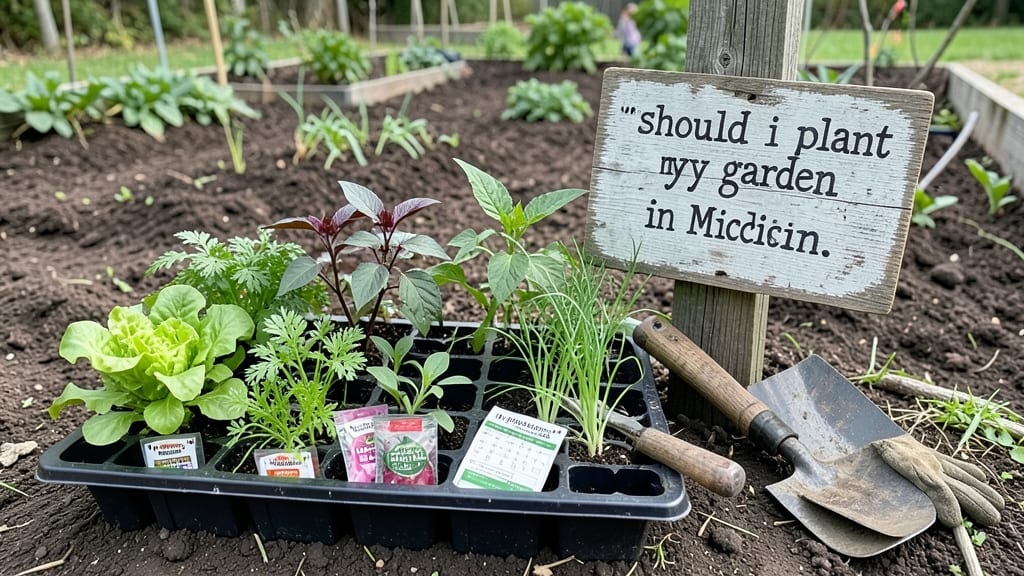
To plant your garden in Michigan, time it between mid-April and mid-June after the last frost—or late July to early September for fall crops.
Michigan’s unpredictable spring weather can turn gardening dreams into guesswork—plant too early, and frost will strike; too late, and your harvest suffers. But with the right frost-free planting timeline, you can maximize yields for tomatoes, lettuce, and everything in between.
In USDA Zones 5b-6b, average last frost dates vary by region—Detroit typically warms up by mid-May, while northern areas like Traverse City may wait until early June.
Cool-season crops like spinach and peas can start indoors weeks earlier, while warm-season favorites like peppers need soil temperatures above 50°F to thrive.
Below, I’ll break down the best planting schedule for Michigan’s cool and warm-season plants, plus tips to adjust for late frosts or early heat. Ready to grow a bountiful garden? Let’s get started.
Michigan’s frost-free planting zones: key dates by region
Michigan’s USDA hardiness zones 4-6 create a diverse planting landscape, where last frost dates can vary by 2-3 weeks between northern and southern regions. Understanding these zones helps you time spring and fall plantings perfectly, avoiding frost damage while maximizing your growing season.
For most of Michigan, the average last frost date falls between mid-April and early May, but urban areas like Detroit often warm up 1-2 weeks earlier than rural zones. Meanwhile, Traverse City near Lake Michigan experiences lake-effect cooling, delaying frost-free dates by 10-14 days compared to inland areas.
Here’s a region-specific breakdown of Michigan’s frost-free planting windows, including adjustments for microclimates like urban heat islands and lake-effect zones that can shift your planting timeline by 7-21 days.
| Region | USDA Zone | Avg. Last Frost | Spring Planting Window | Fall Planting Window | Microclimate Adjustments |
|---|---|---|---|---|---|
| Detroit Metro | 6a | April 25–May 5 | May 10–20 (after frost) | August 15–September 15 | Urban heat islands: plant 7–10 days earlier |
| Grand Rapids | 5b | May 1–10 | May 20–30 (after frost) | August 1–September 10 | Lake Michigan influence: delay 5–7 days near water |
| Traverse City | 5a | May 10–20 | June 1–10 (after frost) | July 20–August 10 | Lake-effect cooling: delay 10–14 days near shorelines |
| Northern Michigan (e.g., Marquette) | 4b | May 20–June 1 | June 15–25 (after frost) | July 10–August 5 | Short season: prioritize fast-maturing varieties |
In Detroit’s urban heat island, pavement and buildings trap heat, allowing you to plant warm-season crops like tomatoes and peppers 7-10 days earlier than rural areas.
Conversely, Traverse City’s lake-effect zones near Grand Traverse Bay can push last frost dates back by 2 weeks, making it safer to wait until early June for heat-loving plants.
For northern Michigan (Zone 4b), the growing season is shorter by 30-45 days, so focus on fast-maturing varieties
Best planting schedule for Michigan crops: cool vs. warm-season plants
Michigan’s cool-season crops like spinach and peas thrive in the spring and fall, while warm-season plants such as peppers and cucumbers need warmer soil to grow. Timing is everything—plant too early, and frost will kill tender seedlings; too late, and you’ll miss peak harvests.
The key is aligning your planting with Michigan’s average frost dates and soil temperatures.
For cool-season vegetables, start seeds indoors 4–6 weeks before your last frost date (typically mid-April to early May in most of Michigan). Transplant seedlings outdoors 2–3 weeks before the last frost, or sow directly into the garden as soon as the soil is workable.
Warm-season crops, on the other hand, should wait until the soil reaches at least 50°F (10°C), usually mid-May to early June.
Here’s your actionable planting timeline for Michigan’s most popular crops, including succession planting tips to keep your harvests coming all season long:
For Michigan-specific varieties, opt for cold-hardy cool-season crops like ‘Early Wonder’ peas or ‘Bloomsdale Long Standing’ spinach, which tolerate cooler temperatures. Warm-season plants like ‘Sweet Million’ cucumbers or ‘Early Girl’ tomatoes thrive in Michigan’s summers but need consistent warmth.
Pro tip: Use succession planting to extend harvests. For example, sow lettuce every 2 weeks from April to August, and replant bush beans every 3 weeks from June to July. This ensures you always have fresh produce ready to pick.
Adjust your schedule based on local frost dates—northern Michigan may need to wait until early June for warm-season crops, while southern regions can start earlier. Keep an eye on soil temperatures with a thermometer to avoid planting too soon.