Planting
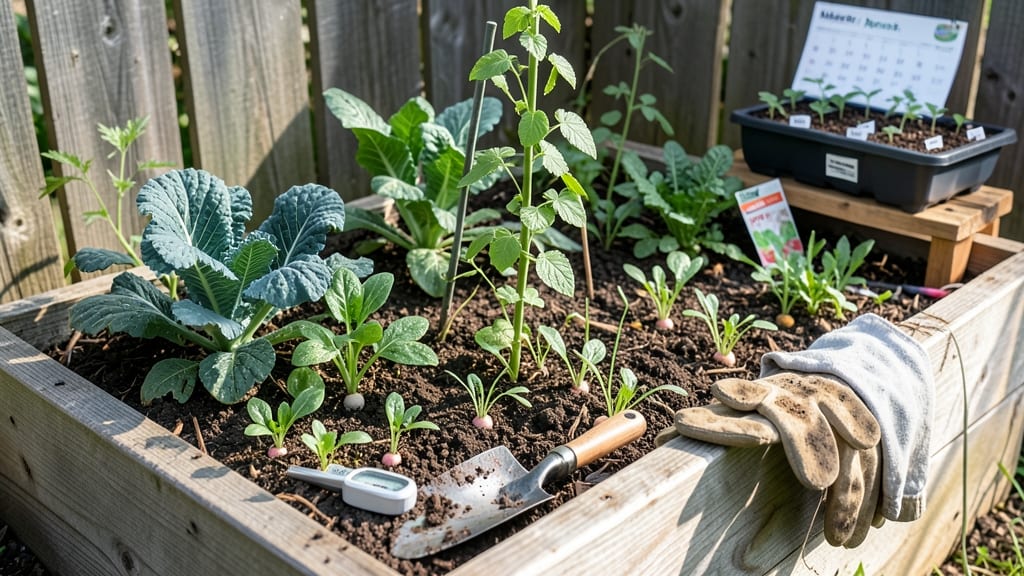
The best time to plant a garden in Michigan depends on soil warmth and frost dates 🌱 — aim for mid-April to mid-May after the last frost, or late July to early August for fall crops.
Michigan gardeners know timing is everything—plant too early, and frost will wipe out your hard work; wait too long, and summer heat arrives before your vegetables mature. But with Michigan’s unpredictable climate, how do you pinpoint the perfect planting window?
Here’s the key: soil temperature matters more than the calendar. Cool-season crops like peas and spinach thrive when soil reaches 50°F, while tomatoes and peppers need 60°F+. A simple soil thermometer test can save you from costly mistakes.
Below, I’ll break down the exact planting windows for your region, how to test soil readiness, and the best crops to plant in spring vs. fall—so you can grow a thriving garden without guessing.
Michigan’s frost-free planting zones: when soil warms enough for seeds
Michigan’s USDA Plant Hardiness Zones 5a-6b create a diverse planting landscape, where southern Michigan enjoys longer growing seasons than the Upper Peninsula. The key to success?
Planting when your soil reaches the right temperature—not just when the calendar says spring has arrived. Cool-season crops like peas and spinach thrive at 50°F soil, while warm-season favorites like tomatoes and peppers need 60°F+ soil to germinate reliably.
Without this warmth, your seeds may rot or your seedlings could succumb to late spring frosts, which Michigan is infamous for.
I’ve planted gardens in zone 5b Detroit and zone 6a Grand Rapids, and I can tell you: last-frost dates vary by 2-3 weeks across the state. Southern Michigan typically sees its average last frost around May 10-15, while the Upper Peninsula can linger until May 25-30.
But don’t rely solely on dates—soil temperature is your true guide. A soil thermometer ($10 at garden centers) will become your best friend, preventing costly mistakes like planting cucumbers too soon only to watch them wilt in a 50°F night.
| Zone | Avg Last Frost | Safe Planting Window | Cool Crops (50°F+) | Warm Crops (60°F+) |
|---|---|---|---|---|
| 5a (UP) | May 25-30 | June 1-10 | Peas, Spinach, Kale | Tomatoes (late), Peppers (late) |
| 5b (Detroit, Lansing) | May 10-15 | May 15-25 | Lettuce, Radishes, Carrots | Tomatoes, Peppers, Cucumbers |
| 6a (Grand Rapids, Kalamazoo) | May 5-10 | May 10-20 | Broccoli, Cabbage, Beets | All warm crops |
| 6b (Southwest MI) | April 25-May 5 | May 1-15 | Early potatoes, Onions | Eggplant, Basil, Melons |
For spring planting, I recommend starting with cool-season crops as soon as soil hits 50°F—even if frost is still possible. These hardy plants (spinach, peas, lettuce) can handle light frosts and will give you an early harvest.
Once soil warms to 60°F, switch to warm-season crops like tomatoes, peppers, and cucumbers. In my zone 6a garden, I wait until late May for these, but I’ve seen early June in colder years.
Pro tip: Hardening off seedlings for 7-10 days before transplanting gives them a survival boost in Michigan’s unpredictable spring.
Don’t overlook fall planting—it’s a Michigan gardener’s secret weapon! Many crops thrive when planted in late July or August, giving them time to mature before first frost (mid-October). Kale, carrots, and radishes are my top picks for fall, as they tolerate cooler temps.
I’ve successfully grown bush beans until September 15 in zone 6a by using black plastic mulch to retain heat. For warm crops like tomatoes, start seeds indoors in March and transplant after the last frost, but be ready to harvest by early October before cold sets in.
Microclimates play a huge role in Michigan gardening. A south-facing slope might warm up 1-2 weeks earlier than a north-facing garden bed. I’ve seen dandelions blooming in early April on sunny hillsides while my shaded backyard still had frost.
Use these natural indicators: Dandelions blooming = soil is ~50°F; Clover flowering = ~60°F. If
The 3-Step soil warmth test: how to plant confidently without guessing
Michigan’s spring soil can be a mystery—one day it’s frozen, the next it’s ready for seeds. Instead of guessing, I’ve developed a 3-step soil warmth test that eliminates the risk of frost damage or stunted growth.
This method combines science (soil thermometers), nature (native plants), and smart adjustments for your yard’s unique conditions.
Why does this matter? Cool-season crops like spinach and peas need soil at 50°F+, while warm-season favorites like tomatoes and peppers won’t thrive until it hits 60°F+. Planting too soon wastes seeds and money; waiting too long shortens your harvest window. Let’s fix that with actionable steps.
🌱 Step 1: Test Soil Temperature with a Thermometer
- Buy a soil thermometer (digital or analog) from garden centers or online for $10–$20.
- Insert the probe 4–6 inches deep (where roots grow) in a shady spot.
- Check readings at 10 AM for accuracy—soil warms fastest then.
🌿 Step 2: Watch Native Plants for Free Indicators
- Dandelions sprout when soil hits 50°F—perfect for cool crops.
- Clover thrives at 60°F+, signaling warm-season planting time.
- If weeds aren’t growing, your soil isn’t ready yet.
☀️ Step 3: Adjust for Microclimates in Your Yard
- South-facing slopes warm 2–3 days earlier than shaded areas.
- Low spots stay 5–10°F cooler—plant heat-lovers there last.
- Use black plastic mulch to warm soil 5–10°F faster in cool zones.
Pro tip: Combine these steps with Michigan’s last-frost dates. For example, in Southeast Michigan, aim for April 15–May 1 for cool crops, but wait until May 15+ for tomatoes. In the Upper Peninsula, add 2–3 weeks to these timelines.
Remember: Soil warmth > calendar dates. If your thermometer reads 55°F in early April, it’s safe to plant peas—even if frost is forecasted. Trust the data, not the weather app!
Once you master this test, you’ll double your garden’s success rate by planting at the exact right moment—no more guesswork, just growth. Happy planting! 🌱