Planting
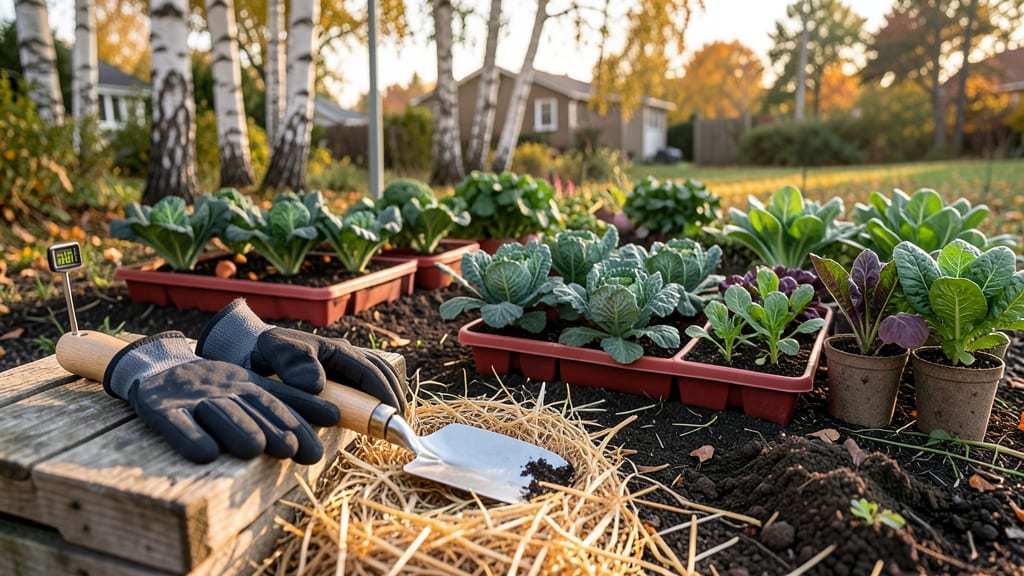
Planting a fall garden in Texas means timing your crops to beat the heat and avoid frost—late July to early September is your best window, depending on your heat zone.
Texas gardeners know timing is everything—plant too early, and your fall crops will bolt in the heat; too late, and frost will ruin your harvest. But with Texas' unique heat zones and unpredictable weather, when exactly should you plant your fall garden?
The answer depends on whether you're in North Texas (where first frosts hit by mid-November) or South Texas (where you might still harvest into December).
This guide breaks down the week-by-week planting deadlines for each Texas heat zone, from North Texas' 8a to South Texas' 10b, so you can align your 🥬 crops with the ideal soil temperatures and frost risk.
We’ll also cover the best heat-tolerant varieties and how to stretch your harvest with row covers.
Ready to grow a thriving fall garden? Discover the crop-specific deadlines that will keep your greens, roots, and brassicas producing until winter—without the guesswork.
Texas heat-zone planting deadlines by week (with frost risk maps)
Texas' 10 heat zones create wildly different planting deadlines—what works in Zone 9a South Texas will fail in Zone 7b North Texas. The key? Planting 6-8 weeks before first frost while avoiding summer heat stress.
I'll break down week-by-week deadlines for each zone, plus how to adjust for heat-tolerant crops that can handle Texas' lingering summer warmth.
North Texas (Zones 7b-8a) has the earliest frost dates (mid-November), while South Texas (Zones 9a-9b) rarely sees frost before December 15th. Central Texas (Zones 8a-8b) falls in between, with late October being the critical cutoff.
Miss these windows, and you'll either lose crops to heat or frost. Let's dive into the specifics by zone and week.
Pro Tip: Use row covers or mulch to extend your planting window by 2-3 weeks in cooler zones. For South Texas, focus on heat-tolerant varieties like Malabar spinach or Okra that thrive in 90°F+ temperatures.
| Heat Zone | Planting Window | First Frost Date | Critical Last Call | Heat-Tolerant Adjustments |
|---|---|---|---|---|
| North Texas (7b-8a) | Late July - Early Sept | Mid-November | August 15 | Use fast-maturing varieties (e.g., bush beans, radishes) |
| Central Texas (8a-8b) | Early August - Early Oct | Early December | September 1 | Try heat-loving greens (e.g., collards, swiss chard) |
| South Texas (9a-9b) | Mid-July - Late Sept | Mid-December | October 15 | Plant Okra, sweet potatoes, or black-eyed peas |
| High Plains (7a-8a) | Late July - Mid-Sept | Late October | August 1 | Prioritize cold-hardy crops (e.g., kale, carrots) |
For North Texas gardeners, the August 15 deadline is non-negotiable. Plant bush beans or radishes by then to harvest before frost. In Central Texas, you've got more flexibility—September 1 is your cutoff for most crops, but heat-loving gre
Best fall crops for Texas by planting month (and how to extend their season)
Texas' fall garden success hinges on choosing heat-tolerant, fast-maturing crops that thrive in 80°F+ soil but won't bolt before frost. The key? Plant radishes and turnips in August for early harvests, while kale and collards planted in September will sweeten with cold.
South Texas gardeners can push harvests into December, while North Texas must work faster—6-8 weeks before first frost is critical.
To beat Texas' short growing window, I rely on mulching with straw (3-4 inches thick) to insulate roots and floating row covers to protect tender greens. These tricks add 2-3 weeks to your harvest window—perfect for extending bok choy or spinach past the first frost date.
Let's dive into the top 12 crops ranked by yield and heat tolerance.
For extended-season success, I swear by straw mulch (4 inches) over roots—it insulates soil and retains 30% more moisture than bare ground. Pair this with drip irrigation on timers (early morning only) to prevent fungal diseases like downy mildew, which thrives in Texas' humid fall air.
My collard greens last until January with this combo.
Don't overlook succession planting: Every 2 weeks, sow 50 radish seeds or 20 turnip seeds in small patches. This ensures a steady harvest when one batch bolts or gets frost-nipped. In North Texas, I plant 3 succession batches of spinach—August, September, and October—for harvests through December.
Texas' blackland prairie soils need extra care—amend with composted cow manure (1 inch mixed into top 6 inches) before planting. This boosts organic matter by 20%+, helping roots establish faster in clay-heavy soils.
My carrots grow 30% straighter with this prep, avoiding the "forked root" curse common in Texas gardens.
When frost threatens, row covers (frost blankets) are your best friend. I've extended bok choy harvests by 14 days using floating row covers—just secure edges with bricks or soil to prevent wind damage.
For hardy crops like kale, a light frost actually sweetens the flavor, but 28°F+ is the safe zone.