
Planting
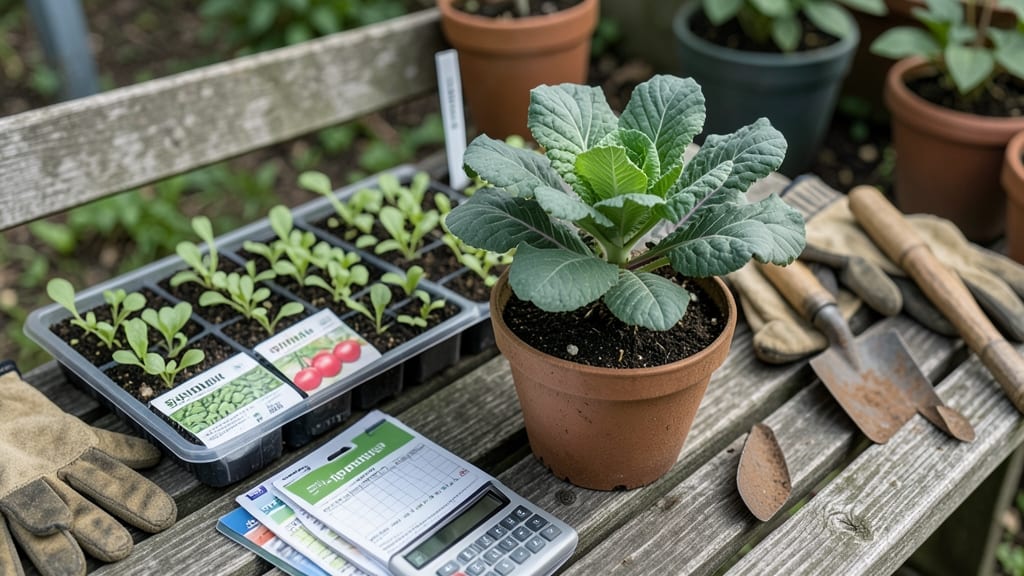
Planting a garden in Michigan at the right time means the difference between a bountiful harvest and a sad pile of frost-nipped seedlings 🌱.
Michigan’s unpredictable spring weather can turn your gardening dreams into a guessing game—unless you know the exact planting windows for your zone. Timing is everything when it comes to avoiding frost, maximizing yields, and enjoying fresh produce from your garden.
In USDA Zones 5b-6b, cool-season crops like spinach and peas need to hit the soil 4-6 weeks before your last frost, while warm-season favorites like tomatoes and peppers wait until after April 15—when the ground finally warms to 50°F.
But here’s the catch: Northern Michigan’s shorter growing season demands earlier starts, while Southern Michigan gardeners can push the envelope a little longer.
Below, I break down the zone-by-zone planting calendar, pro tips for adjusting to Michigan’s quirks, and the 3 biggest mistakes that sabotage timing—so you can finally stop second-guessing and start sowing with confidence.
Michigan planting calendar by USDA Zones: best dates for vegetables, flowers & herbs
Michigan’s USDA Zones 5a-6b create distinct planting windows that can make or break your garden’s success. Whether you’re in northern Michigan (Zone 5a/5b) or southern Michigan (Zone 6a/6b), knowing the right last frost dates and soil temperature thresholds ensures your crops thrive.
For example, tomatoes and peppers need warm soil (at least 50°F) to germinate, while spinach and peas can handle cooler temps as early as March or April.
Historical data shows Michigan’s average last frost dates range from April 15 (Zone 5a) to May 1 (Zone 6b), but these can shift 2-3 weeks earlier or later depending on microclimates.
Southern Michigan’s longer growing season (180 frost-free days) allows for two full harvests—spring and fall—while northern regions (140 frost-free days) rely on fast-maturing varieties and fall planting for a second chance at harvest.
To simplify planning, I’ve broken down the best planting windows for cool-season crops, warm-season crops, and perennials by zone. Use this as your garden’s roadmap to avoid common pitfalls like frost damage or bolting vegetables.
| Zone | Plant Type | Spring Planting Window | Fall Planting Window | Notes |
|---|---|---|---|---|
| 5a (Northern MI) | Cool-Season (Spinach, Peas, Lettuce) | March 15 – April 15 | August 1 – September 1 | Use row covers for early starts |
| 5a | Warm-Season (Tomatoes, Peppers, Cucumbers) | May 15 – June 1 (after soil reaches 50°F) | N/A (too short season) | Choose fast-maturing varieties |
| 5b (Upper Peninsula) | Cool-Season (Kale, Radishes, Carrots) | April 1 – April 30 | August 15 – September 15 | Start indoors for earlier harvests |
| 5b | Warm-Season (Beans, Squash, Basil) | May 1 – May 15 | N/A (limited fall window) | Use black plastic mulch to warm soil |
| 6a (Central MI) | Cool-Season (Broccoli, Cabbage, Peas) | March 20 – April 30 | August 10 – September 30 | Great for two harvests |
| 6a | Warm-Season (Tomatoes, Peppers, Corn) | April 20 – May 10 |
How to adjust planting times for Michigan’s unpredictable weather patternsMichigan’s unpredictable frost dates and sudden heat waves can throw off even the most experienced gardeners. If you’ve ever planted tomatoes too early only to watch them freeze overnight—or waited too long and missed the growing season entirely—you know how frustrating timing can be. The key is flexibility: knowing how to extend your season, use protective tools, and adjust for your specific microclimate. Instead of sticking rigidly to a calendar, I’ve learned to monitor soil temperatures, watch for local frost warnings, and use row covers or cold frames to create a buffer. For example, in Northern Michigan (Zone 5b), I start cold-hardy crops like kale in early April, but if the ground stays cold, I’ll wait a week or two—no shame in that! Meanwhile, in Southern Michigan (Zone 6b), I might push warm-season crops like peppers into late May, but only if the soil hits 60°F consistently. 🌱 5 Pro Tips to Adjust Planting Times in Michigan
One of my favorite tricks is using floating row covers to extend the spring planting window by 3-4 weeks. For instance, I’ll sow cucumbers or squash under a cover in early May, even if nighttime temps dip into the 40s. The cover traps heat during the day and shields plants from frost. Just remember to remove it during flowering to allow pollinators access—bees are essential for fruiting! For late springs (like the one we had in 2021), I switch to shorter-season varieties or prioritize fast growers like radishes, bush beans, or ‘Early Wonder’ zucchini. These can go from seed to harvest in as little as 40-50 days, giving you a quick win even if summer arrives late. I also keep a seedling heat mat handy to jumpstart germination in cool soil. If summer heat arrives early (as it often does in Zone 6b), I’ll focus on shade-loving crops like Swiss chard or ‘Black Seeded Simpson’ lettuce and use shade cloth to protect delicate plants. Mulching with straw also helps retain moisture and keeps roots cool. For perennials like asparagus or rhubarb, I’ve learned to plant them in well-drained soil with a thick mulch layer to insulate roots during temperature swings. Finally, always have a Plan B. I keep a few succession planting slots open for late starts or replanting if early crops fail. For example, if my pepper seedlings get leggy waiting for warm soil, I’ll transplant them into pots with grow lights until conditions improve. The goal is to maximize your growing season, not stress over perfection—because in Michigan, Mother Nature always has the final say. |