Picking
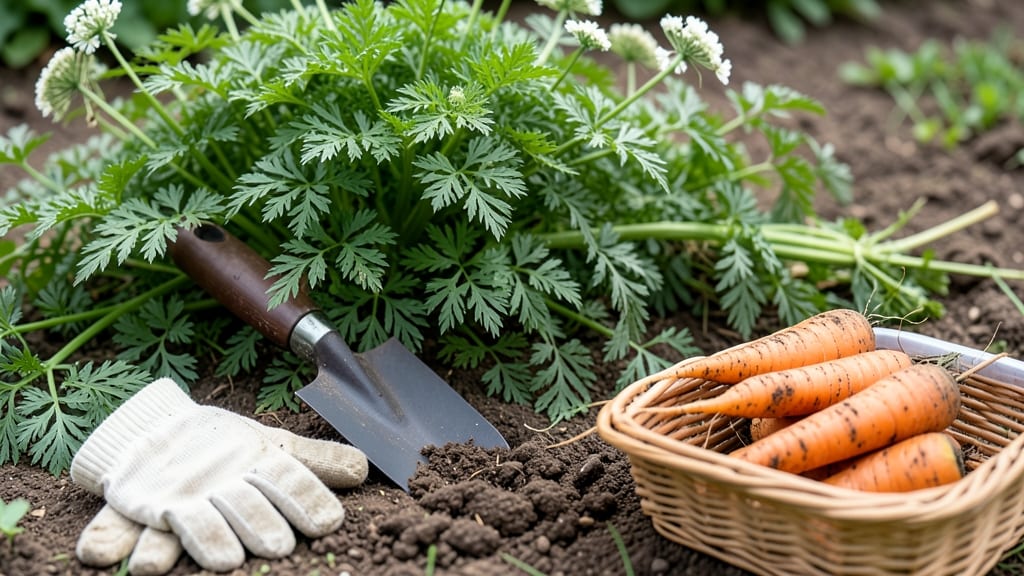
Harvesting carrots from your garden at the right time turns tough, bitter roots into sweet, crisp perfection—so knowing when to pull them makes all the difference.
Picture this: you’ve waited months for your 🥕 to grow, only to dig up a forked, woody mess instead of the tender harvest you imagined. That’s why timing is everything—especially in Zone 6a, where spring and fall harvests demand precision.
Below, I’ll show you the exact signs to watch for—from the tug test to soil checks—and the best times of day and season to harvest for maximum flavor. No more guesswork, just delicious, homegrown carrots every time.
Ready to learn the secrets to a foolproof harvest? Let’s dive into the simple steps that’ll keep your carrots sweet, crisp, and free from common mistakes.


How to test carrot readiness: tug test & soil check methods
Knowing when to harvest carrots from your garden is all about texture, size, and soil conditions. Overlooking these signs can turn your sweet, crisp roots into tough, bitter disappointments. The key is checking for three reliable indicators: leaf size, root diameter, and the famous tug test.
Each method gives you a different piece of the puzzle to ensure you pull your carrots at their peak.
Start by examining the top greens—they’re your first clue. Healthy carrot tops should be 6-8 inches tall and vibrant green. If they’re still small or yellowing, your roots need more time. The greens act like a growth barometer, telling you whether the roots below are ready.
Paired with the right soil conditions, this simple check can save you from harvesting too early or too late.
Visual cues alone aren’t enough, though. You also need to dig deeper—literally. The soil check method involves gently brushing away dirt to inspect the root’s size and shape. Look for roots that are 1-3 inches in diameter (depending on the variety) with a smooth, consistent skin. If the roots are still small or forked, they’re not ready yet. This step ensures you’re not pulling underdeveloped carrots that lack flavor.
Check Leaf Size
Inspect the top greens—they should be 6-8 inches tall and vibrant. Smaller or yellowing leaves mean the roots need more time.
Perform the Tug Test
Gently grasp a carrot’s greens and pull upward. If it resists slightly but comes out cleanly, it’s ready. No resistance? Wait a few days.
Inspect Root Size
Brush away 1-2 inches of soil to check for roots that are 1-3 inches in diameter. Smooth skin and firm texture confirm readiness.
Verify Soil Moisture
Soil should be moist but not waterlogged. Dry soil can cause stress, while soggy soil may lead to rot or poor flavor.
The tug test is my favorite method because it’s quick and foolproof. Simply grasp the carrot’s greens and pull gently upward. If the carrot resists slightly but pops out cleanly, it’s ready to harvest. If it slides out easily or doesn’t budge at all, it’s not time yet.
This test combines the root’s firmness with the soil’s grip to give you an instant answer. It’s especially useful for baby carrots or when you’re unsure about the root size below the surface.
Don’t overlook the soil conditions when testing readiness. The ground should be moist but well-drained—not soggy or bone-dry. Overly wet soil can lead to rotten roots, while dry soil stresses the plant and reduces flavor.
If your soil feels compacted or waterlogged, wait a day or two before harvesting. The right moisture level ensures your carrots are crisp and sweet, not mushy or tough.
For varieties like Paris Market or Danvers, aim for roots that are 1-2 inches in diameter. Smaller varieties like Little Finger or Baby Purple will be ready at ½-1 inch.
Always refer to the seed packet guidelines for your specific type, as maturity times can vary. For example, heirloom varieties often take longer to reach harvest size compared to hybrid types.
Harvesting at the right time also depends on the season and weather. In spring or fall, when temperatures are cooler, carrots grow more slowly, so they may need extra time to reach size.
During hot summer months, growth speeds up, and you might need to harvest more frequently. Always check the forecast for frost—if a hard freeze is coming, harvest your carrots before the temperature drops below 20°F.
Once you’ve confirmed your carrots are ready, use a garden fork or your hands to gently loosen the soil around them. Avoid pulling by the greens if the soil is dry, as this can snap the roots.
For loose, sandy soil, you can often pull them directly by hand. After harvesting, brush off excess dirt and store them in a cool, dark place for up to 3 weeks to maintain freshness.
If you miss the window and your carrots grow too large, they’ll become woody and tough. This happens when the roots outgrow their space or the soil becomes too dry. To prevent this, harvest regularly and thin seedlings to 2-3 inches apart when they’re about 2 inches tall.
This gives each carrot enough room to develop properly without competing for nutrients.
Remember, the best carrots are those harvested at the perfect moment—when they’re firm, sweet, and crisp. By mastering the tug test, soil check, and leaf size cues, you’ll never miss the mark again.
Best time of day and season to harvest carrots for maximum sweetness
Timing your carrot harvest is the secret to unlocking their natural sweetness. Spring-planted carrots (March-April) reach peak flavor in May-June, while fall-planted varieties (July-August) shine in September-October.
These seasonal windows align with Zone 6a's frost-free period, ensuring you avoid the bitter notes that develop when roots mature too long.
For the sweetest carrots, harvest during cool morning hours (6-9 AM) when sugars concentrate overnight. Evening harvests (4-7 PM) work too, but avoid midday heat which can stress the plants. Frost warnings? Harvest immediately—carrots left in cold soil develop woody textures and lose sweetness.
Spring harvests benefit from fresh spring rains that sweeten roots naturally, while fall carrots develop deeper flavors as they mature under shorter daylight hours. Always check for firm soil conditions—harvest after light rain when soil is moist but not soggy, making roots easier to pull without breaking.
Pro tip: Thin your crop 2-3 weeks before harvest to reduce competition. This gives remaining carrots space to plump up and develop maximum sweetness. Avoid harvesting after heavy watering—roots pull cleaner when soil is slightly firm.
Weather plays a crucial role: Hot, dry spells can make carrots tough, while prolonged cloudy days reduce sugar development. If your garden faces unexpected heatwaves, harvest earlier than expected—carrots left too long in hot soil become stringy and lose their crispness.
Remember, smaller carrots (1-2 inches) often taste sweeter than giant roots. The key is balance: harvest when roots reach your desired size but before they develop hard, woody cores.
With these timing tips, you’ll enjoy carrots that taste like they came straight from a farmers' market—sweet, tender, and full of garden-fresh flavor.