Picking
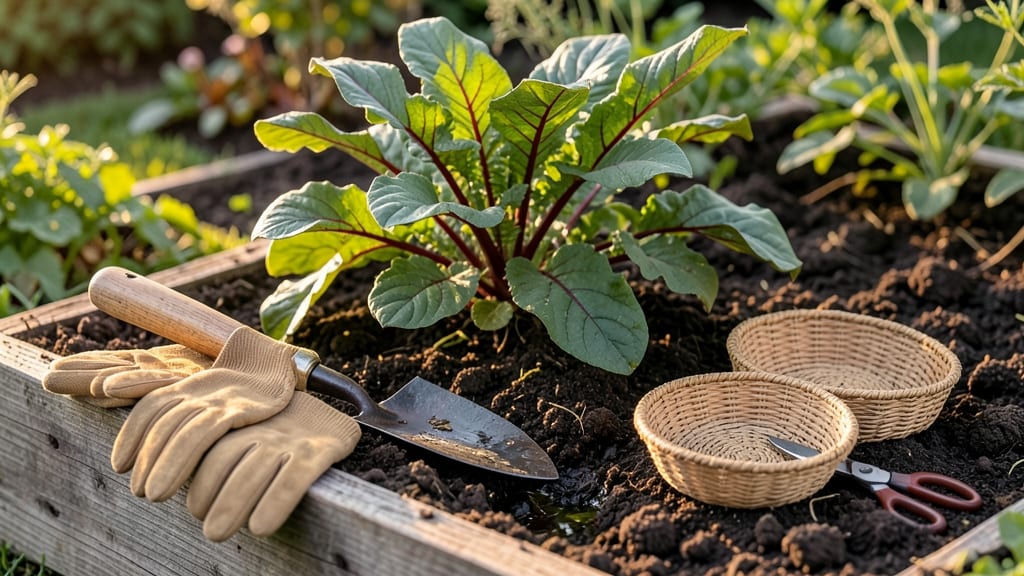
Knowing when to pick beetroot from the garden means harvesting tender, sweet roots — and missing that window turns them woody or bitter.
Beetroot lovers know the frustration of pulling a harvest too early — only to find tough, bitter roots instead of the sweet, tender gems you crave. Timing your harvest perfectly ensures maximum flavor, but how do you know when those vibrant 🍠 roots are ready?
Look for roots about 2-3 inches wide with smooth, firm skin and tops reaching 4-6 inches. A gentle finger press should yield slightly, not rock-hard resistance. These cues matter more than days alone, since soil warmth and moisture speed up or slow down maturity.
Below, I break down the three finger-press tests for perfect ripeness, how seasonal shifts affect timing, and the one mistake that ruins even the best beetroots — plus how to store them so they stay crisp for weeks.


3 Finger-press tests to determine beetroot ripeness
Harvesting beetroot at the perfect moment transforms your garden into a treasure trove of sweet, tender roots. The key lies in your fingertips—literally! Using simple finger-pressure tests, you can gauge ripeness without guesswork.
These tactile methods reveal whether your beetroot is underdeveloped, perfectly ripe, or overmature, ensuring you never miss the sweet spot.
Beetroots mature between 45 to 90 days, but relying solely on days since planting can backfire. Soil conditions, temperature swings, and even variety differences (like Detroit Dark Red vs. Chioggia) shift the timeline.
That’s why I’ve refined these three hands-on tests—each designed to cut through the variables and give you a crystal-clear signal.
Before diving in, grab a small trowel and a sunny afternoon. Work gently to avoid damaging the roots, and always harvest on a dry day to prevent soil from clinging. The tests below will have you harvesting like a pro in minutes.
Gently brush away soil to expose the root. Press your thumb and forefinger around the widest part—2 to 3 inches is ideal. Smaller than 1.5 inches? Wait 1-2 weeks. Larger than 3.5 inches? You’ve missed the sweet window.
Apply light pressure to the root’s shoulder (where the stem meets the bulb). It should yield slightly like a ripe avocado—firm but not rock-hard. If it feels spongy or mushy, it’s overripe. If it’s unyielding, it needs more time.
Examine the root’s skin for even color. Deep, uniform hues (red, gold, or striped) signal maturity. Uneven patches or pale spots mean it’s not ready. Pro tip: Chioggia beetroots should show crisp white rings when sliced—wait until these are fully developed.
Seasonal variations throw a wrench into timing. In cool spring (like my Zone 6a garden), beetroots mature slower—prioritize the firmness test over size. Conversely, hot summer conditions can rush maturation; here, size becomes your best clue.
Always cross-check with the leaf health: vibrant, deep green leaves paired with your test results mean it’s time to harvest.
Don’t overlook the soil’s role in these tests. Sandy soil drains quickly, accelerating ripeness, while clay soil slows it down. If your roots feel dry or shriveled during the firmness test, they’re past their prime. Amend your soil with compost next season to improve moisture retention and even out maturation.
Timing your harvest isn’t just about flavor—it’s about preventing bolting. Beetroots left too long in warm weather send up flower stalks, turning bitter and woody. Once you’ve confirmed ripeness with all three tests, grab your trowel and harvest on a dry morning.
Leave the greens attached until you’re ready to use them to preserve the root’s moisture.
For storage longevity, harvest when roots are fully mature but still firm. Store in a cool, dark place (like a root cellar) for up to 3 months.
If you’re unsure, harvest a few beetroots as test subjects—slice one to check for sweetness and adjust your timing for the next batch.
Remember, the earlier you harvest, the sweeter the flavor. But don’t rush—beetroots left in the ground too long become fibrous and lose their signature earthy sweetness. Master these finger-pressure tests, and you’ll never second-guess your harvest timing again.
Now grab your gloves and head to the garden—your perfect beetroot is waiting just beneath the soil! 🌱
How soil and weather affect beetroot harvest timing
Your beetroot's harvest timing isn't just about days since planting—it's a dance with soil temperature, sunlight intensity, and moisture levels. Warm soil speeds up growth, while cool temperatures slow it down, sometimes delaying maturity by 2-3 weeks.
Understanding these factors helps you adjust your schedule and avoid woody, bitter roots.
Beetroots thrive in 60-70°F soil, but temperatures below 50°F stunt growth. If your spring planting hits a cold snap, expect roots to take 10-15% longer to reach harvest size.
Conversely, summer heat can push roots to maturity 20% faster—so stay vigilant for early harvest signs like smooth skin and vibrant greens.
Here’s how to adjust your harvest schedule based on key environmental factors:
| Factor | Ideal Condition | Effect on Timing | Adjustment Tip |
|---|---|---|---|
| Soil Temperature | 60–70°F | Faster growth | Harvest 5–7 days earlier |
| Sunlight | 6+ hours/day | Accelerates maturity | Watch for color change |
| Moisture | Consistent, not soggy | Slows growth if dry | Water deeply 2x/week |
| Rainfall | 1–1.5 inches/week | Delays if overwatered | Use mulch to regulate |
If your summer heatwave hits 85°F+, beetroots may mature in just 45-50 days instead of the usual 60. Check for deep red/purple skin and shriveling leaves—signs they’re overripe.
In cooler climates, extend your harvest window by 2 weeks and focus on leaf size (4–6 inches tall) over root diameter.
Soil moisture plays a sneaky role too. Dry spells cause roots to toughen prematurely, while excess water leads to hollow, pithy centers. Aim for 1 inch of water weekly, delivered in the morning to prevent fungal issues.
A simple finger test—if the top inch of soil feels dry, it’s time to water.
Pro tip: In fall plantings, watch for first frost warnings. Beetroots tolerate light frosts (28°F), but roots left in the ground too long become woody and pithy.
If frost is forecast within 10 days, harvest early, even if roots aren’t fully sized—they’ll still be edible and sweeter after a light frost!
By syncing your harvest with these environmental cues, you’ll consistently pull beetroots at peak sweetness—no more bitter surprises. Next time, trust your soil’s temperature and your plants’ signals over the calendar! 🌱