
Picking
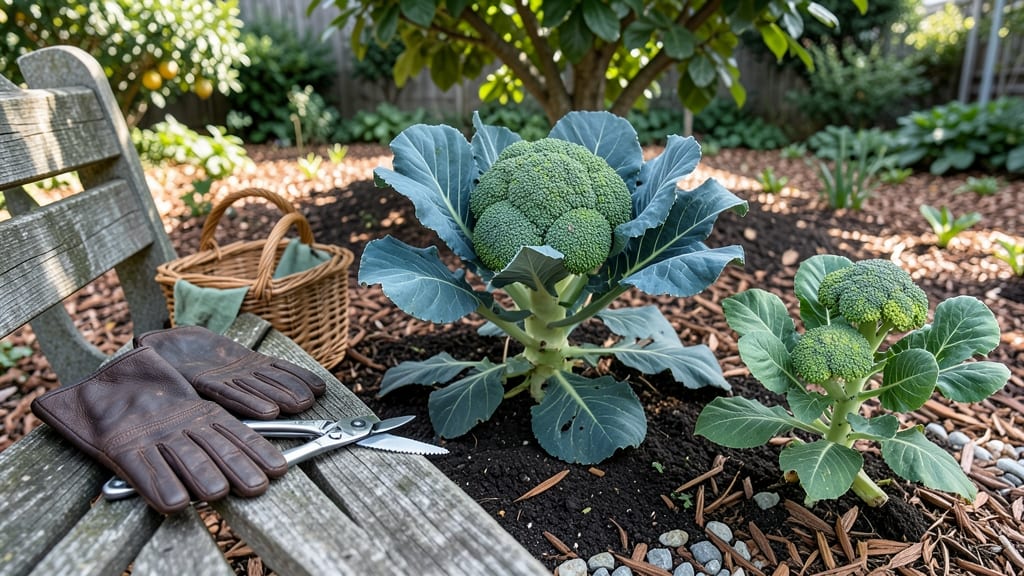
To pick broccoli from the garden at its peak flavor, watch for dark green florets that are 6–8 inches wide and tightly packed—before the yellow stem tip appears.
Harvesting broccoli at the perfect moment ensures crisp florets and maximum flavor—but wait too long, and your plant will bolt, leaving you with bitter stems and wasted effort. Timing your harvest correctly is the key to a bountiful, delicious crop.
Most gardeners miss the window because they focus on size alone, but color and firmness are just as critical. A vibrant green head that feels solid to the touch signals readiness, while pale or loose florets mean it’s past its prime.
Below, I’ll break down the three clear signs your broccoli is ready, plus how to cut it properly to encourage more harvests—no guesswork required.


3 Visual signs your broccoli is ready for harvest (before it bolts)
Knowing exactly when to pick broccoli from your garden transforms a good harvest into a flavor-packed success. The difference between crisp, sweet florets and bitter, woody stems often comes down to timing.
Broccoli plants bolt quickly once they reach maturity, so recognizing these three key visual cues will help you harvest at peak perfection.
First, let’s address the biggest mistake gardeners make: waiting until the florets start to yellow or open. By then, the plant has already begun its life cycle shift, and the nutritional quality declines rapidly.
Instead, focus on these three visual indicators that signal your broccoli is ready to be picked.
Pro tip: Harvest in the morning when temperatures are cooler. This ensures the florets stay crisp and fresh longer. Use a sharp knife or pruning shears to cut the stem about 5-7 inches below the head.
This leaves room for side shoots to develop, giving you a second harvest in just a few weeks.
If you miss the window, don’t panic. Broccoli plants often produce secondary heads after the main harvest. Simply trim the main head and keep the plant well-watered and fertilized to encourage new growth. However, the first harvest is always the most flavorful and nutritious, so timing is everything.
Another common mistake is picking broccoli when the leaves start yellowing. This is a sign of stress, often caused by over-maturity or nutrient deficiency.
If your plant’s leaves are wilting or turning yellow before harvest, it may need more nitrogen-rich fertilizer or consistent watering. Healthy leaves mean a healthier head.
For gardeners in warmer climates, broccoli can bolt faster due to heat stress. If your plants are flowering prematurely, consider shade cloth or planting in partial shade during peak summer months. This simple adjustment can buy you extra time to enjoy that perfect harvest.
Finally, remember that broccoli is a cool-season crop. In USDA Zone 6a, aim to harvest spring broccoli between May and June, and fall varieties between October and November. Adjust these timelines slightly based on your local frost dates and microclimate.
By mastering these three visual signs, you’ll never again miss the peak flavor window of your broccoli. The next time you’re in the garden, take a moment to inspect your plants—your taste buds will thank you for the crisp, sweet reward of perfectly timed harvests. 🥦
How to harvest broccoli without damaging future growth (step-by-step)
Harvesting broccoli correctly ensures you get the best flavor and texture while keeping your plant healthy for continuous production. The key is timing—cut too early, and you’ll get small, bitter florets; wait too long, and the plant bolts, sending energy to seeds instead of new heads.
With the right technique, you can enjoy multiple harvests per plant throughout the season.
Broccoli produces a main head first, followed by smaller side shoots (also called "sprouts") after you harvest the central floret. These side shoots can yield 30-50% more broccoli if trimmed properly.
The secret lies in clean cuts, proper spacing, and avoiding stress to the plant. Let’s break it down step-by-step to maximize your harvest without harming future growth.
Harvest the central head when it’s 6-8 inches wide, dark green, and tightly packed. The stem end should turn yellow—this is your cue to cut. Avoid harvesting if the florets start spreading or yellowing.
Use a sharp knife or pruners to cut the main head 1-2 inches below the floret. Angle the cut slightly downward to prevent water pooling on the stem, which can cause rot. Leave the lower leaves intact to protect the plant.
After harvesting the main head, watch for small side shoots emerging from the leaf axils (where leaves meet the stem). These sprouts will grow into mini broccoli heads in 3-6 weeks, depending on your climate.
Harvest side shoots when they reach 3-5 inches wide and are firm and compact. Cut them at the base of the stem using clean pruners. Avoid over-picking—leave at least 2-3 side shoots per plant to ensure the plant stays productive.
Broccoli plants are sensitive to stress. Never remove more than 1/3 of the plant’s foliage at once. If you notice yellowing leaves or stunted growth after harvesting, reduce frequency and focus on watering and fertilizing to recover.
After each harvest, apply a balanced fertilizer (5-10-10) and water deeply to encourage new growth. Mulch around the base to retain moisture and regulate soil temperature, which helps side shoots develop faster.
Timing your harvests correctly is just as important as how you cut. In cool climates (USDA Zones 3-6), broccoli typically produces side shoots for 4-6 weeks after the main head. In warmer zones (7-10), the window shortens to 2-4 weeks before bolting becomes likely.
Always prioritize harvesting before florets loosen—this is your plant’s way of telling you it’s ready to bolt.
Pro tip: If your broccoli plant starts sending up tall flower stalks, it’s bolting. While you can still harvest any remaining florets, the plant will stop producing new heads. To delay bolting in hot weather, provide afternoon shade and keep soil consistently moist.
With the right care, a single broccoli plant can yield up to 2 pounds of edible florets over its lifespan!