
Picking
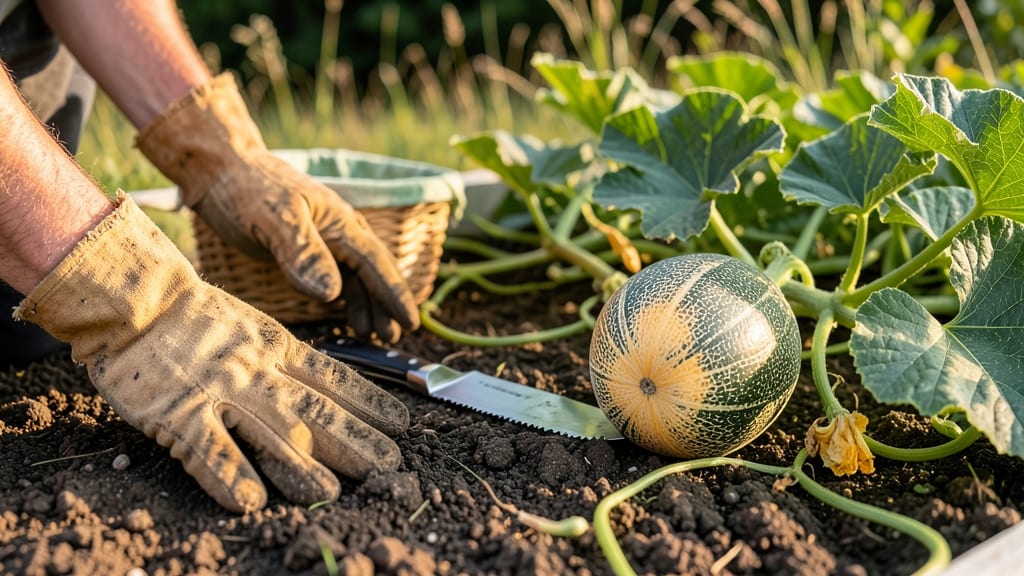
To pick cantaloupe from your garden at the perfect moment, watch for three key signs: a creamy yellow rind, a fragrant stem end, and a stem that slips easily from the vine 🍈.
There’s nothing worse than slicing into a cantaloupe that’s still hard or bland—only to realize you picked it too early. But with these simple tactile checks, you’ll never guess again. The difference between a mealy disappointment and a sweet, juicy reward comes down to timing and technique.
Most gardeners wait 75 days after planting, but heat and soil conditions can speed up or slow down ripening. That’s why checking the fruit’s texture, color, and scent is the real game-changer—no cutting required. Below, I’ll walk you through each test so you can harvest at peak flavor every time.
You’ll also learn how to avoid common mistakes, like picking too late when the melon starts to rot on the vine. Plus, I’ll share pro tips for storing your harvest to keep that summer sweetness lasting long after the garden season ends.


3 Non-invasive tactile tests to determine cantaloupe ripeness
Picking cantaloupe at the perfect moment transforms your garden harvest from meh to magical. Unlike some fruits that rely solely on color, cantaloupes demand a multi-sensory approach—especially when you want to avoid that crunchy disappointment or overripe mush.
The good news? You don’t need a degree in horticulture or a knife to test ripeness. These three tactile tests will give you the confidence to harvest at peak sweetness, every single time.
I’ve learned the hard way that visual cues alone can trick even experienced gardeners. A cantaloupe might look ripe but still taste bland, or appear underripe while hiding incredible flavor beneath the rind.
That’s why I’ve perfected these non-invasive checks—no cutting required—to ensure I’m bringing home the sweetest, juiciest cantaloupes from my garden each season. Let’s dive into the touch, smell, and stem tests that’ll change how you harvest forever.
🍈 When to Pick Cantaloupe: 3 Proven Tactile Checks
-
1. The Stem Slip Test
Gently grasp the stem near the fruit and give it a light tug. If it slips easily from the vine, your cantaloupe is ready. A firm attachment means wait 1-2 more days. -
2. Thumbnail Pressure Test
Press your thumbnail into the blush-colored side of the cantaloupe. If the skin yields slightly (like pressing a ripe avocado), it’s time to harvest. No give? More time on the vine is needed. -
3. Aroma Check
Take a deep sniff near the stem end. A sweet, musky fragrance (like a mix of honey and fresh-cut grass) signals ripeness. No smell? Wait another day or two.
💡 Pro Tip: Combine all three tests for 100% accuracy. A cantaloupe passing two out of three is close—but the third test will seal the deal.
Let’s start with the stem slip test, my favorite because it’s the most reliable indicator of true ripeness. Cantaloupes, like their cucumber cousins, develop a natural abscission layer at the stem end as they mature.
This layer weakens the connection between the fruit and vine, making the stem detach effortlessly when ripe. I’ve found that checking this in the morning (when fruits are coolest) gives the most accurate results—no false positives from warm afternoons tricking you into thinking it’s ready.
The thumbnail pressure test is where many gardeners go wrong. They press too hard or check the wrong spot, leading to misjudged ripeness. Always press the blush-colored side (the yellow-orange area) with your thumbnail—not your fingernail.
A ripe cantaloupe’s skin should dent slightly under gentle pressure, almost like pressing your thumb into warm butter. If you’re left with a permanent indentation, you’ve waited too long, and the fruit may be overripe.
Don’t underestimate the power of smell—this is where cantaloupes reveal their secrets like no other test can. A truly ripe cantaloupe emits a distinctive sweet aroma near the stem end, often described as a blend of honey, fresh-cut grass, and tropical fruit.
If you’re standing near your cantaloupe patch and the scent hits you unexpectedly, that’s your cue to harvest immediately. Pro tip: Sniff in the morning when temperatures are cooler—heat can mask the natural fragrance, leading to missed opportunities.
Here’s a common mistake I see even among seasoned gardeners: picking cantaloupes based on size alone. While most varieties reach 3-6 pounds at maturity, some stay small but pack incredible flavor. Others grow large but remain hard and bland inside.
That’s why I always combine all three tests—size is just one piece of the puzzle. For example, a 4-pound cantaloupe might pass the stem slip test but fail the aroma check, meaning it needs more time on the vine.
If you’re growing cantaloupes in hot, dry climates, be extra vigilant with the thumbnail test. Heat accelerates ripening, and cantaloupes can go from perfectly ripe to overripe in 24 hours.
I’ve had seasons where I’d wake up to find cantaloupes that were ready to harvest the day before but now had soft spots from overnight heat. Checking in the late afternoon gives you a second chance to catch them at peak ripeness before they spoil.
For gardeners in cooler regions, ripening slows down, and you might need to extend your waiting period. If your cantaloupes are passing two tests but not the third, give them 3-5 more days before making a final call.
I once grew cantaloupes in Zone 5 and had to wait until mid-September for them to fully ripen—something unthinkable in warmer zones. Patience is key when the weather isn’t cooperating.
Once you’ve mastered these tests, you’ll never second-guess your cantaloupe harvest again. The confidence boost of slicing into a perfectly ripe fruit—juicy, sweet, and aromatic—is unmatched. And the best part? You’ll reduce food waste by avoiding those premature or overripe melons that end up in the compost.
Next time you’re in your garden, grab a cantaloupe, give these tests a try, and prepare to be amazed by the difference they make.
🌱 Remember, the sooner you learn these tactile cues, the sooner you’ll be enjoying homegrown cantaloupe at its peak. Happy harvesting!
Best time of day and seasonal factors for optimal cantaloupe harvest
Timing your cantaloupe harvest isn't just about waiting for the right days to maturity—it's also about checking at the right time of day and understanding how seasonal factors affect ripening. I always inspect my cantaloupes in the late morning when temperatures are mild and the fruit has warmed slightly.
This makes it easier to spot the creamy yellow blush that signals ripeness.
Seasonal conditions play a huge role too. In hot, dry climates, cantaloupes ripen faster—sometimes in just 60 days—while cooler, humid regions may need up to 90 days. I’ve learned to adjust my expectations based on local weather patterns, especially during heatwaves or unexpected rainy spells.
| Factor | Optimal Condition | Actionable Tip |
|---|---|---|
| Time of Day | Late Morning (9-11 AM) | Check for creamy rind and scent when fruit is warm |
| Temperature | 75-90°F (24-32°C) | Hotter days = faster ripening; harvest earlier |
| Humidity | Moderate (40-60%) | High humidity slows ripening; wait longer for scent |
| Vine Maturity | 75-90 Days After Planting | Use stem slip test—if it separates easily, it's ready |
| Seasonal Cues | Late July-Early September | First frost warning? Harvest immediately, even if not fully ripe |
I’ve noticed that early morning dew can trick you into thinking a cantaloupe is ripe when it’s not. Always wait until the fruit has dried completely before performing your thumbnail pressure test. A ripe cantaloupe’s skin should yield slightly to gentle pressure—like pressing your thumbnail into a ripe peach.
Seasonal transitions are critical too. If your area experiences early fall frosts, prioritize harvesting cantaloupes before temperatures drop below 50°F (10°C). Cold-sensitive cantaloupes won’t ripen properly in chilly conditions, so I always keep an eye on the 10-day forecast during peak harvest season.
One pro tip I swear by: Mark your planting dates and track the average days to maturity for your specific cantaloupe variety. My Muskmelon 'Athena' variety consistently ripens in 72 days, while heirloom types can take up to 85 days.
This helps me plan my daily checks more efficiently.
Finally, don’t overlook the vine’s energy levels. A healthy cantaloupe vine will produce 3-5 fruits per plant. If the vine looks stressed or stops producing new flowers, focus on harvesting the ones closest to maturity first. This ensures you get the sweetest fruit before the plant’s energy declines.