
Picking
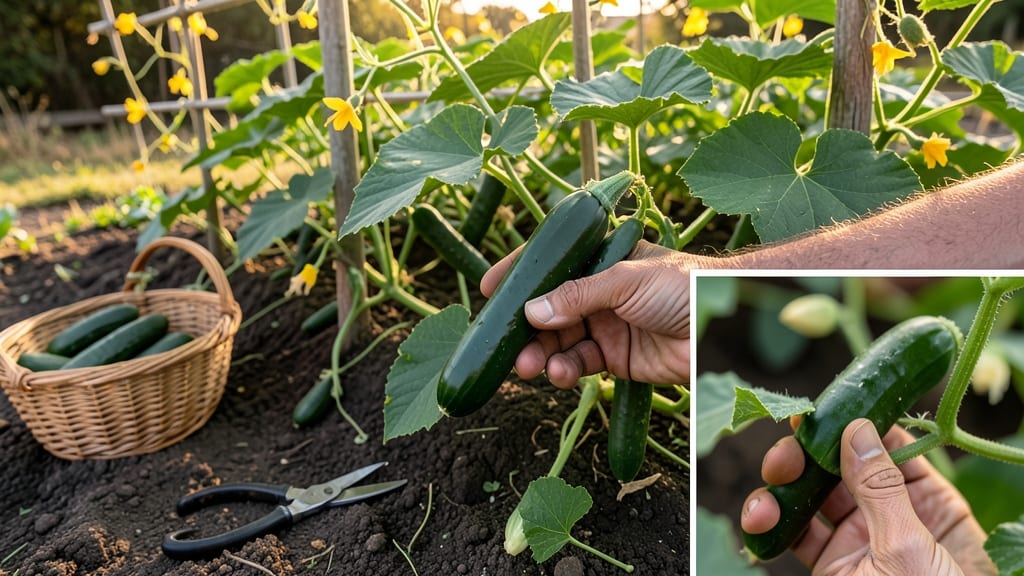
To pick cucumbers from your garden at the perfect moment means the difference between a crisp, flavorful harvest and a bitter, seedy disappointment.
Imagine biting into a cucumber that’s just right—firm, fresh, and bursting with flavor—only to realize you missed the window by a day or two. The good news? Knowing three key visual cues will help you spot the ideal time to harvest every time.
Most gardeners focus on size, but color and texture play just as big a role in determining ripeness. A cucumber that’s too small or too soft can ruin a dish, while one left too long on the vine turns bitter and mealy.
Below, I’ll break down how to read your plants like a pro, including variety-specific tips and how environmental factors like heat or humidity can shift the timing.
Ready to turn your cucumber patch into a flavor-packed success? You’ll learn how to check for readiness, pick without damaging the plant, and even troubleshoot common mistakes that sabotage taste and yield.


3 Key visual signs your cucumbers are harvest-ready
Timing your cucumber harvest is an art—one that separates crisp, sweet vegetables from bitter, seedy disappointments. Unlike some fruits that soften as they ripen, cucumbers never fully ripen on the vine.
Instead, they reach their peak flavor and texture at a specific stage, and missing these cues can mean wasted effort. Understanding the three key visual signs ensures you pick cucumbers when they’re at their best, whether you’re growing slicing varieties like Marketmore or pickling types like Boston Pickling.
First, let’s clarify a common misconception: color alone isn’t enough to determine ripeness. While deep green is a good start, it’s only one piece of the puzzle. Cucumbers also need to meet specific size, texture, and stem criteria.
Ignoring these can lead to overgrown, woody fruits that lack the crispness we all love. For example, leaving a 6-inch cucumber on the vine for another week might turn it into a 10-inch monster with tough skin and a hollow center—hardly ideal for salads or snacking.
🌱 3 Visual Cues for Perfectly Ripe Cucumbers
- 1. Size Matters: Most slicing cucumbers are ready when they reach 6–8 inches long. Pickling varieties, like Boston Pickling, should be harvested at 3–4 inches for ideal texture. Measure from the stem end to the blossom end—this ensures consistency.
- 2. Firm but Flexible Skin: Gently press your thumbnail into the cucumber’s skin. If it resists slightly but doesn’t feel hard, it’s ready. Overripe cucumbers will dent easily, while underripe ones feel firm like a rock. Think of it as the "goldilocks zone" of texture.
- 3. Stem Color and Snap Test: Check the stem end—it should turn yellowish or brown for slicing types, indicating maturity. For pickling cucumbers, the stem end may stay green but the skin should darken. Also, bend the stem slightly—if it snaps cleanly, the cucumber is at peak ripeness.
💡 Pro Tip: Harvest in the morning when cucumbers are cool and hydrated for the best flavor and texture.
Now that you know what to look for, let’s address a common mistake many gardeners make: waiting too long. Cucumbers continue to grow even after they’re edible, and leaving them on the vine can lead to bitterness due to cucurbitacin buildup—a natural compound that develops as the fruit matures.
This is why regular harvesting is crucial. For example, if you’re growing Armenian cucumbers, which can grow up to 12 inches, it’s easy to overlook their ideal 8-inch harvest window. The result? A hard, seedy cucumber that’s far from the tender, juicy variety you planted for.
Another visual cue to watch for is the blossom end (the end opposite the stem). When cucumbers are ready, this end should be slightly darker green and smooth. If it’s bumpy or pale, the cucumber is likely underripe.
Conversely, if the blossom end starts to yellow or soften, the cucumber has overstayed its welcome on the vine. This is your body’s way of telling you it’s time to act fast—before the cucumber becomes a pulp-filled shell.
Let’s talk about variety-specific differences, because not all cucumbers follow the same rules. Bush varieties, like Bush Champion, tend to produce smaller, rounder cucumbers that are ready at 4–5 inches. These are perfect for snacking or pickling and often have a darker green hue when ripe.
On the other hand, vining varieties like Straight Eight can grow much longer and need to be harvested at 8–10 inches for the best texture. Always check your seed packet for variety-specific guidelines, as these can vary widely.
Environmental factors also play a role in ripening. Hot, dry weather can cause cucumbers to ripen faster, while cool, cloudy conditions may slow their growth.
If you notice your cucumbers reaching harvest size quickly but not developing the right color or texture, it could be a sign of stress. In this case, focus on watering consistently and providing shade cloth during peak afternoon heat.
Overwatering or uneven moisture can also lead to blossom-end rot, a common issue that ruins cucumbers before they even ripen.
One of my personal gardening lessons came the first year I grew cucumbers. I was so excited to see them grow that I waited until they were enormous—some even over a foot long! The result? A single, bitter cucumber that I barely used.
Now, I harvest every 2–3 days to keep the plants producing, and I never let cucumbers grow beyond their ideal size. This habit has transformed my harvests from a few giant cucumbers to a steady supply of perfect-sized ones all season long.
To summarize, the three key signs to look for are size, skin firmness, and stem color. Combine these with regular harvesting and variety awareness, and you’ll enjoy cucumbers that are crisp, sweet, and free of bitterness.
The next time you’re in your garden, grab a cucumber and give it the thumbnail test. If it passes, it’s time to snip and savor!
Best practices for picking cucumbers without damaging the plant
Harvesting cucumbers the right way protects your plants and keeps them producing crisp, flavorful fruit all season. A gentle touch and proper timing prevent bruising and encourage more growth—here’s how to do it like a pro.
I’ve learned that morning harvests yield the best results, and using the right tools makes all the difference.
Never twist or pull cucumbers from the vine—this damages the delicate stem and can invite disease. Instead, use sharp pruners or even clean scissors to cut the fruit stem cleanly, leaving about 1/4 inch of stem attached.
This small detail keeps your plants healthy and ready for the next harvest in just a few days.
Step-by-Step Cucumber Harvest Guide
- 1 Pick in the morning when cucumbers are cool and crisp. Avoid harvesting after midday heat, which can make them rubbery.
- 2 Use clean pruners or scissors to cut cucumbers from the vine. Never pull or twist—they’re more delicate than you think!
- 3 Leave 1/4 inch of stem attached to prevent disease entry points and keep the plant healthy for future harvests.
- 4 Harvest every 2–3 days during peak production to encourage more fruit. Overripe cucumbers steal energy from new growth.
- 5 Check for yellowing leaves after harvest. If you see more than 2–3 yellow leaves, your plant may need water or nutrients.
Timing your harvests right also means understanding your cucumber variety. Slicing cucumbers like 'Straight Eight' should be picked at 6–8 inches for maximum sweetness, while pickling varieties like 'Boston Pickling' are best harvested smaller—around 2–3 inches. Always check the seed packet for variety-specific guidance.
After harvesting, inspect your cucumbers for any bruises or soft spots. These are signs of damage that can lead to rot, so remove them immediately.
Store your fresh picks in the crispest part of your fridge (usually the vegetable drawer) and use them within 5–7 days for the best texture and flavor.
Encouraging continuous production is all about balance. If you notice your plant slowing down, it might be time to fertilize lightly with a balanced 10-10-10 mix or add a mulch layer to retain moisture.
I’ve found that healthy soil and consistent care lead to weeks-long harvests instead of just a few sporadic picks.
Remember, the key to a thriving cucumber plant is regular, gentle harvesting. When done right, you’ll enjoy a steady supply of fresh cucumbers straight from your garden all summer long—no bitter surprises here! 🥒