Picking
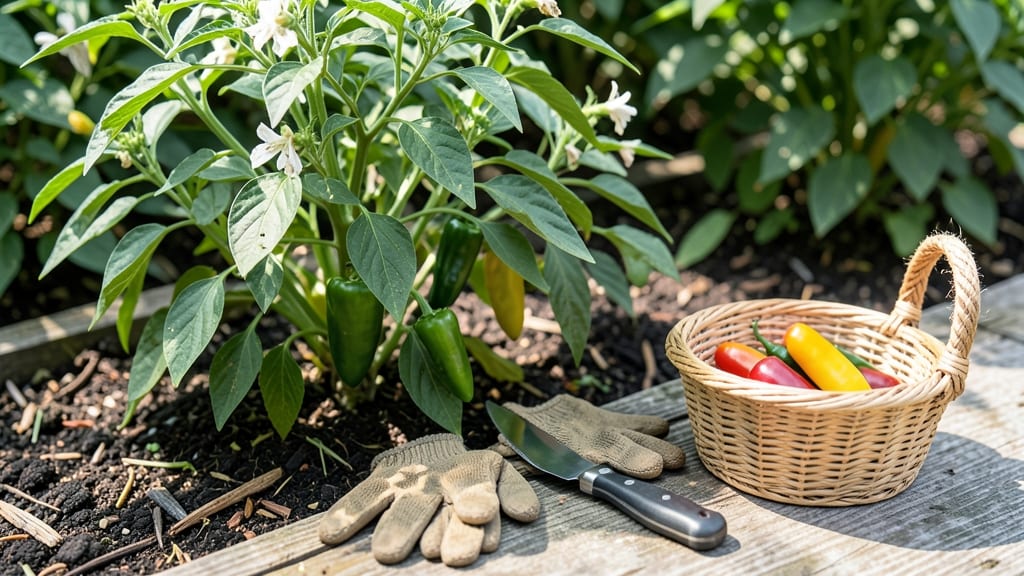
Picking garden salsa peppers at the right time ensures maximum heat and flavor—miss the window, and you’ll end up with bland or overly ripe 🌶️ pods.
Timing is everything when harvesting salsa peppers—pick too early, and you’ll sacrifice heat and flavor; too late, and you risk losing the perfect balance of spice and freshness.
Most varieties reach peak ripeness between July and October, but color and firmness are the real clues. A deep, vibrant hue (red, yellow, or purple) signals readiness, while a slight give when pressed confirms ideal texture.
Here’s how to test ripeness beyond color, store your harvest, and keep those peppers fiery and fresh for months.


Color-coded ripeness guide: when to harvest salsa peppers by variety
Harvesting salsa peppers at the right time means capturing their peak heat and flavor. Color is your best friend—each variety transitions from green to its mature hue as capsaicin (the compound that delivers the burn) develops.
But not all peppers ripen the same way, and timing varies by type. Let’s break down the color cues and heat progression for the most popular salsa pepper varieties.
For example, jalapeños and serranos often ripen from green to red, while habaneros may turn orange or yellow. Understanding these stages helps you avoid picking too early (mild and underdeveloped) or too late (soft and past their prime).
The key is consistency—look for deep, uniform color and a slight glossiness on the skin.
🌶️ Pro Tip: Heat levels don’t always align with color. A red jalapeño might be milder than a green one, depending on the variety. Always taste-test a few peppers to confirm spice intensity before bulk harvesting.
| Variety | Color Stages | Heat Level (Scoville) | Best Harvest Time | Size at Ripeness |
|---|---|---|---|---|
| Jalapeño | Green → Red | 2,500–8,000 SHU | Late summer (80–90 days) | 2–3 inches |
| Serrano | Green → Red | 10,000–23,000 SHU | Early fall (75–90 days) | 1–2 inches |
| Habanero | Green → Orange/Red | 100,000–350,000 SHU | Mid-fall (120–150 days) | 1–2 inches |
| Cayenne | Green → Red | 30,000–50,000 SHU | Late summer (90–100 days) | 2–4 inches |
| Thai Chili | Green → Red | 50,000–100,000 SHU | Early fall (80–90 days) | 1–1.5 inches |
Jalapeños are the most forgiving—you can harvest them green for a milder kick or wait for red for a sweeter, fruitier flavor. But if you’re growing serranos or habaneros, timing is critical. These peppers pack a punch when fully ripe, but they also soften quickly.
Aim to harvest serranos in early fall when they’re deep red, and habaneros in mid-fall when they turn orange or yellow.
🌱 Climate Note: In warmer climates (USDA Zones 9–11), peppers may ripen faster—sometimes as early as June. In cooler zones (6–8), wait until late summer or early fall when temperatures drop below 85°F (29°C) to slow ripening and prevent sunburn.
Don’t overlook size as a secondary cue. A fully ripened jalapeño should be 2–3 inches long, while serranos stay smaller (1–2 inches). If peppers feel soft or wrinkled, they’ve overstayed their welcome. The skin should also yield slightly when gently pressed—a sign of peak ripeness.
💡 Heat Hack: For the spiciest peppers, harvest when the color is most vibrant. For example, a habanero at its brightest orange will have the highest capsa
How to test pepper ripeness beyond color: tactile and taste methods
Color is a great starting point, but true ripeness in salsa peppers often comes down to touch and taste. A deep red jalapeño might look perfect, but if it’s mushy, it’s past its prime.
The same goes for green serranos—they can be ready to pick even if they haven’t turned red yet.
Start by gently squeezing the pepper. A ripe pepper should feel firm but slightly yielding, like a ripe avocado. If it feels rock-hard or squishy, it’s not ready. Overripe peppers often develop a wrinkled texture or soft spots, which means their heat and flavor have peaked.
Next, check the stem. A ripe pepper’s stem should detach easily with a slight twist—no stubborn resistance. If the stem pulls off cleanly, that’s your cue to harvest. This method works for jalapeños, serranos, and habaneros alike, regardless of their final color.
⚠️ callout-warning ⚠️
Overripe peppers lose heat and develop a bitter taste. Look for wrinkled skin or soft spots—these are red flags. Underripe peppers lack flavor and heat, even if they’re fully colored. Test firmness first before trusting color alone. Harvest in the morning for the freshest taste and texture.
For the ultimate test, taste one pepper from the plant. A ripe salsa pepper should pack a bold, balanced heat with minimal bitterness.
If it tastes bland or overly sharp, it’s not ready. Jalapeños and serranos should have a bright, crisp flavor, while habaneros should deliver a fiery punch without astringency.
Don’t forget to rotate your harvests. Pick peppers from different branches to encourage more production. Consistent harvesting keeps plants focused on growing new peppers, not just ripening existing ones. Use clean, sharp pruning shears to avoid damaging the plant.
Store freshly picked peppers in a cool, dark place (like a paper bag) for up to a week. For longer storage, ferment them in brine or vinegar to lock in that perfect heat and flavor. The key is acting fast—once peppers are ripe, they don’t stay that way for long!