Picking
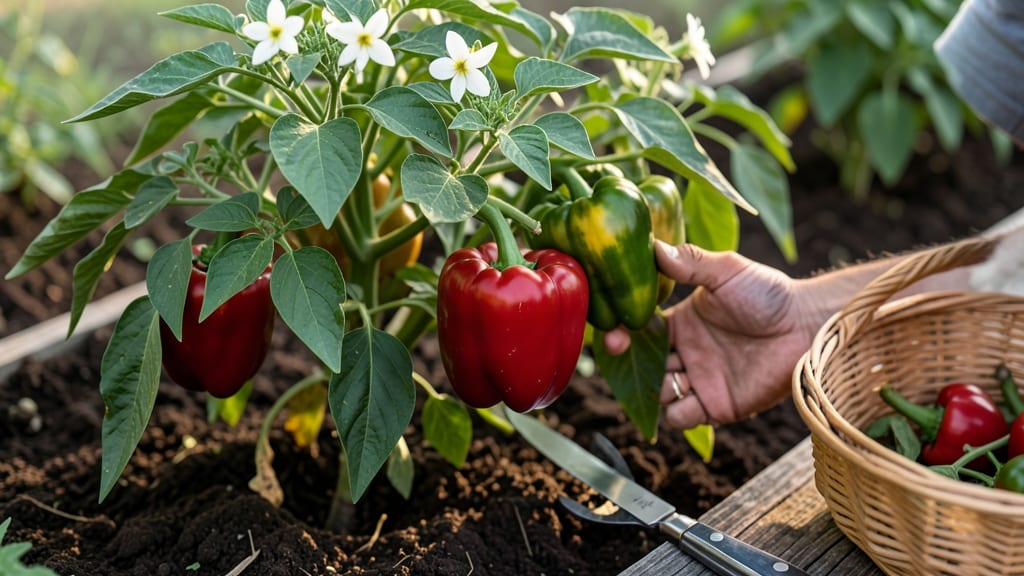
To pick peppers from your garden at the perfect moment means capturing their full flavor potential—whether that’s sweet, spicy, or tangy—before they overripe or shrivel on the vine.
Ever plucked a pepper just to realize it was still tough and bland? Or worse, left it too long and watched it turn mealy? The difference between a perfectly ripe pepper and one that’s past its prime comes down to timing—and a few simple cues you might be missing.
Color isn’t the only clue. Firmness, gloss, and even the way the stem snaps can tell you exactly when to harvest. And since peppers ripen at different rates depending on the variety—bell peppers, jalapeños, or habaneros—knowing the ideal window for each saves you from bitterness or wasted effort.
Below, I’ll walk you through the 3 color tests that guarantee peak ripeness, plus how to adjust for your climate and variety. No more guesswork—just a garden full of peppers at their best.


3 Color-based ripeness tests for picking peppers at peak flavor
Peppers change color as they ripen, and these shifts aren’t just visual—they signal dramatic changes in flavor, texture, and even nutritional value. A green pepper packed with heat might transform into a sweet red one when fully ripe, but knowing when to pick is key.
Color acts as your first ripeness test, but understanding what each hue means helps you avoid bitter, underripe peppers or overripe, mealy ones.
Color changes in peppers occur due to chlorophyll breakdown and the production of carotenoids and anthocyanins. These pigments don’t just make peppers look stunning—they also indicate when the plant has redirected its energy from growth to sugar development and flavor enhancement.
For example, red peppers can have 3x more vitamin C than their green counterparts, but you’ll miss that boost if you harvest too soon.
Here’s how to use color as your guide to peak ripeness, along with what each stage means for your harvest. Remember: premature harvesting stunts future fruit production, while waiting too long can lead to cracked or diseased peppers.
Green peppers are the most common early harvest, but they’re often underripe if picked too soon. Many gardeners mistake their firm texture for readiness, but green peppers can still be tangy or bitter if harvested before reaching their mature size. For example, a jalapeño should be at least 3-4 inches long and glossy before picking, while a bell pepper needs to reach 5-6 inches.
When peppers shift to yellow or orange, they’re signaling a shift toward sweetness. These colors appear as the pepper’s chlorophyll breaks down, revealing carotenoids (the same pigments in carrots).
Yellow peppers are often sweeter than green but may lack the depth of fully ripe reds. Orange peppers, like the popular Shishito variety, offer a balanced flavor—ideal for grilling or roasting.
The red pepper stage is often the most prized, thanks to its peak sweetness and nutritional benefits. Red peppers contain more vitamin C than green ones and have a softer, richer texture.
However, they’re also more delicate—waiting too long can lead to cracking or overripening, which dulls flavor. A good rule of thumb: if the pepper’s stem snaps cleanly when bent, it’s ready for harvest.
Not all pepper varieties follow the same ripening path. For instance, habaneros and jalapeños often stay green when ripe, while bell peppers transition through multiple colors. Always check your seed packet or plant tags for variety-specific ripening cues.
Some peppers, like purple or brown types, ripen to unique hues—don’t assume they’re overripe just because they’re not red!
Temperature plays a crucial role in color development. Peppers need warmth (70-85°F) to ripen fully. If your growing season cools too quickly, peppers may stay green or yellow. In cooler climates, consider harvesting green or using row covers to extend the season.
Conversely, overly hot conditions can cause peppers to ripen too fast, leading to uneven color or bitter flavors.
One common mistake is assuming all peppers ripen the same way. Sweet bell peppers are often harvested red for their mild taste, while hot peppers like serranos are picked green for maximum heat. To avoid confusion, label your plants at transplanting and keep a
How to test pepper ripeness beyond color: texture and size clues
While color is the most obvious sign of ripeness, peppers reveal other subtle cues that tell you exactly when to harvest. A firm texture, consistent weight, and mature size are all key indicators that your peppers are ready to pick.
Ignoring these can lead to peppers that are either underripe (tough and bland) or overripe (mealy and past their prime).
For example, a jalapeño that’s still small and rubbery won’t deliver the spicy kick you’re after, while a bell pepper left too long on the vine may lose its crispness.
Understanding these secondary clues helps you adjust for your local climate—hotter regions speed up ripening, while cooler areas may slow it down.
Here’s how to use texture, size, and weight to perfect your pepper harvest, even if the color isn’t quite there yet.
⚠️ Common Mistake: Picking Too Early for Heat
Peppers harvested too early—especially in hot climates—often lack flavor because they haven’t fully developed sugars. A firm skin and deep color** (even if not fully mature) combined with a clean stem snap are better indicators than size alone.
Pro Tip: If your peppers are small but firm, wait 3–5 days before checking again. Overripe peppers (soft, wrinkled, or hollow-sounding when tapped) are past their prime and won’t improve.
Start by gently squeezing the pepper between your thumb and forefinger. A ripe pepper should feel firm yet slightly yielding, like a ripe avocado. If it’s rock-hard, it’s underripe; if it’s mushy, it’s overripe.
For bell peppers, the skin should also have a slight glossy sheen, signaling peak moisture content.
Size matters too—compare your pepper to the variety’s mature size. A jalapeño should be at least 3–4 inches long, while a bell pepper should reach 4–6 inches.
If it’s still small but firm, give it more time. Overlooking size can mean harvesting peppers that are stunted due to heat stress or nutrient deficiency.
Weight is another secret clue. Hold a pepper in your hand—ripe peppers feel heavy for their size, thanks to concentrated sugars and moisture. A light pepper is often underripe. This trick works especially well for habaneros or thai peppers, which can ripen unevenly.
Pair weight checks with the stem snap test: twist the stem gently. If it snaps cleanly, it’s ready.
Environmental factors like sunlight exposure and temperature swings can throw off ripening. Peppers in partial shade may stay green longer, while those in full sun ripen faster. Adjust your harvest timing by 1–2 weeks if your summer is unusually hot or cool.
For example, in Zone 9, peppers might ripen in 60 days, while in Zone 5, they could take 90 days.