Planting
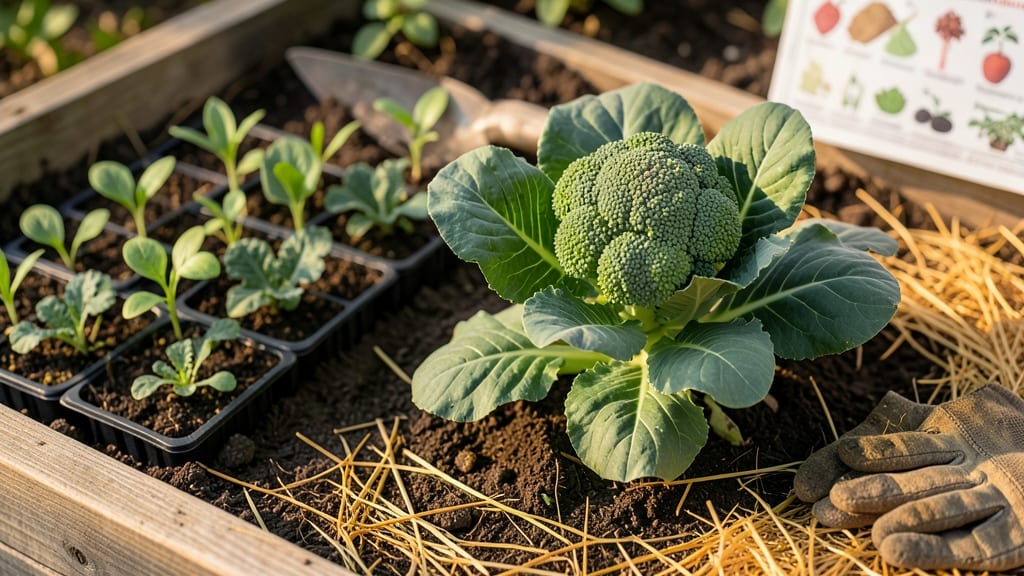
Planting a fall garden in Zone 7 requires precise timing—start between mid-July and mid-August for a harvest before the first frost.
Missed the spring planting window? Zone 7 gardeners can still grow a thriving fall harvest—but timing is everything. Plant too early, and your crops bolt; too late, and frost ruins your efforts.
Cool-season vegetables like kale and carrots need 60-90 days to mature, while fast growers like radishes can go in as late as September. The key is calculating backward from your first frost date (usually mid-November in Zone 7).
Here’s how to adjust planting dates by crop type, extend your harvest window, and avoid common mistakes that wreck fall gardens.
Fall planting calendar for Zone 7: exact dates by crop type
Zone 7 gardeners can still enjoy a bountiful fall harvest by planting cool-season crops at the right time. With an average first frost date of November 15, timing is critical to avoid bolted greens or frost-damaged roots. Start by calculating backwards from frost based on each crop's maturity timeline.
For 60-day crops like broccoli or cabbage, begin sowing seeds by late July for a harvest before frost. 45-day varieties such as spinach or radishes need an early August start, while 30-day greens like lettuce can go in as late as mid-September.
Warm-season holdovers like tomatoes and peppers need extra care to mature before frost.
Summary table below breaks down exact planting windows by crop type, including last-planting dates and harvest windows for Zone 7's fall garden.
| Crop Type | Planting Window | Last Planting Date | Harvest Window | Notes |
|---|---|---|---|---|
| Leafy Greens (Lettuce, Spinach, Kale) | Late July - Mid-September | September 15 (30-day) / October 1 (45-day) | September - November | Use row covers for frost protection |
| Brassicas (Broccoli, Cabbage, Brussels Sprouts) | Late July - Early August | August 15 (60-day) | October - December | Transplant seedlings for faster growth |
| Root Crops (Carrots, Beets, Radishes) | Mid-August - Late August | September 1 (30-45 days) | September - November | Loose soil prevents forking |
| Warm-Season Holdovers (Tomatoes, Peppers, Beans) | Late July - Early August | August 10 (50-60 days) | September - October | Use black plastic mulch to warm soil |
| Herbs (Cilantro, Parsley, Dill) | Late August - Early September | September 15 (30-45 days) | September - November | Cilantro bolts quickly in heat |
For cool-season vegetables, focus on direct sowing seeds rather than transplants to avoid transplant shock. Leafy greens like lettuce and spinach thrive when planted 6-8 weeks before frost, while brassicas need 8-10 weeks to mature. Use slow-bolting varieties like 'Winter Density' lettuce for extended harvests.
Warm-season holdovers like tomatoes and peppers require soil temperatures above 60°F to germinate. Start seeds indoors in late June and transplant outdoors by mid-July to give them enough time. Black plastic mulch can warm soil by 10-15°F, helping tender crops like peppers mature faster.
Don’t forget to harden off seedlings for 7-10 days before transplanting. Gradually expose them to outdoor conditions to prevent shock. For root crops, keep soil consistently moist to avoid uneven growth or cracking. Mulch with straw to retain moisture and regulate soil temperature.
Use row covers or cold frames to extend harvests into late fall. These protect crops from light frosts (28-32°F) and can push harvests 2-3 weeks later than the average frost date. Just remove covers during the day to prevent overheating and condensation buildup.
Monitor your garden’s microclimate—urban areas may frost earlier than rural spots. Keep a frost calendar and adjust planting dates accordingly. If your area tends to frost earlier than November 15, shift planting windows 2 weeks earlier for faster-maturing varieties.
Finally, succession plant fast-growing crops like radishes and lettuce every 2 weeks for a continuous harvest. This ensures you’re always harvesting fresh produce while making the most of your fall garden space.
How to adjust planting dates for Zone 7’s microclimates and soil conditions
Zone 7’s diverse microclimates mean your neighbor’s perfect timing might not work for you. Urban areas with concrete heat absorption can be 5-10°F warmer than rural zones, while shaded yards stay cooler. Always adjust planting dates based on your specific location’s heat patterns—not just the USDA zone.
For urban gardens, start cool-season crops like spinach 2-3 weeks earlier than rural areas. The extra heat delays bolting. In rural settings, wait until late August to avoid late-summer heat stress on seedlings. Use a soil thermometer—ideal temps for fall planting are 55-65°F.
🌱 Key Adjustments for Zone 7 Microclimates
- 1.
- 2.
- 3.
- 4.
- 5.
Late-summer heatwaves (common in Zone 7’s August-September) can cause transplant shock in seedlings. If temps exceed 90°F, delay planting until evenings cool to 75°F. Harden off seedlings gradually by exposing them to afternoon sun for 2 hours daily, then 4 hours, before transplanting.
Extend your fall season with row covers or cold frames. A simple hoop tunnel with frost cloth can add 4-6 weeks to your harvest. For hardy greens like swiss chard, use low tunnels to trap heat during the day and insulate at night.
Always secure edges to prevent wind damage.
Test your soil’s pH and fertility before planting—fall crops thrive in 6.0-7.0 pH. Amend with compost or aged manure 2-3 weeks before sowing. In sandy soils, add peat moss to retain moisture; in clay soils, mix in perlite for drainage.
Mulch with straw to keep roots cool and conserve water.
Monitor local weather forecasts for unexpected early frosts. If a 28°F frost is predicted, cover tender crops with row covers or blankets. For extreme cold snaps, move potted herbs like parsley indoors near a sunny window.
With these adjustments, your Zone 7 fall garden can thrive—even in tricky microclimates! 🌿