Planting
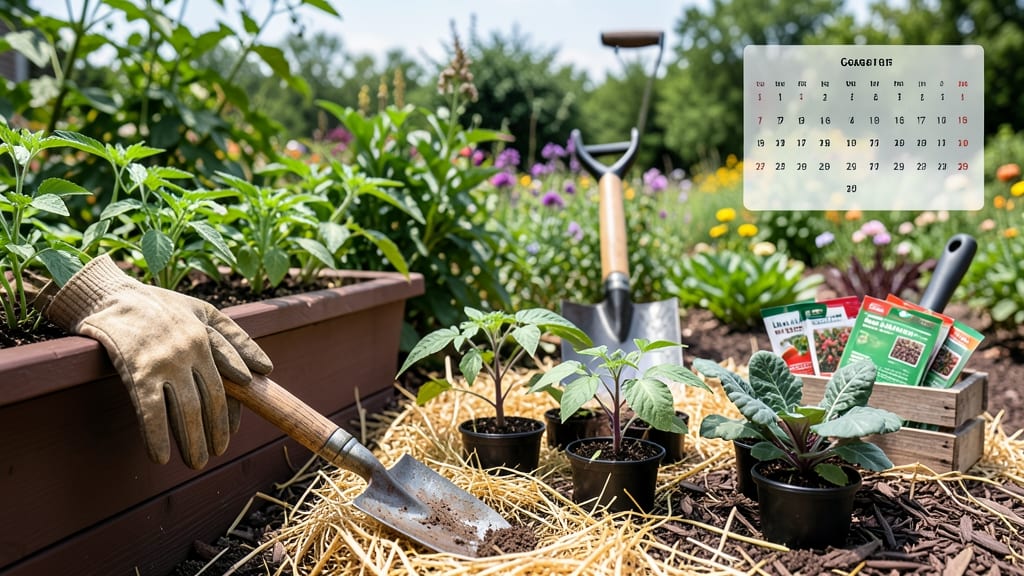
To plant a garden in Georgia, timing is everything—aim for late February through early April for spring and late August through early October for fall, when frost risks fade and soil warms.
Georgia’s warm climate and long growing season make it a gardener’s paradise—but planting at the wrong time can mean wasted effort and poor harvests. Timing is everything, and knowing the exact months to plant each crop can double your garden’s success rate.
From Coastal Plain to the Mountains, Georgia’s 7a-8b zones offer unique microclimates that shift frost dates and ideal planting windows. Whether you’re growing peaches, azaleas, or heirloom tomatoes, aligning your schedule with these regional cues is the key to a bountiful harvest.
Here’s how to pinpoint the perfect planting window for your General Garden Plants 🌱, adjust for soil and elevation, and avoid the three biggest timing mistakes Georgia gardeners make every year.
Georgia’s planting calendar by crop type: best months for maximum yield
Georgia’s three distinct climate zones—Coastal Plain, Piedmont, and Mountain—create unique planting windows. The Coastal Plain enjoys the longest growing season, while Mountain regions have shorter windows but cooler temperatures.
Knowing your zone’s last frost date (typically mid-March in Coastal, late March in Piedmont, and early April in Mountains) is critical for timing. For example, tomatoes and peppers thrive when planted after the last frost, while cool-season crops like lettuce should go in early spring or fall.
Heat-tolerant varieties like Okra and Sweet Potatoes are perfect for Georgia’s summer heat, while broccoli and cabbage prefer milder spring or fall temperatures. Even within zones, microclimates (like urban heat islands) can shift planting times by 2-4 weeks.
Below is a breakdown of the best months for each crop type, tailored to Georgia’s regions.
| Crop Type | Coastal Plain | Piedmont | Mountain | Heat-Tolerant Varieties |
|---|---|---|---|---|
| Vegetables (Cool-Season) | Feb-Mar, Sep-Oct | Mar-Apr, Aug-Sep | Apr-May, Jul-Aug | Broccoli 'De Cicco', Kale 'Winterbor' |
| Vegetables (Warm-Season) | Mar-Apr, Aug | Apr-May, Jul | May-Jun, Jul | Tomato 'Celebrity', Pepper 'Jupiter' |
| Herbs | Feb-Apr, Aug-Sep | Mar-Apr, Jul-Aug | Apr-May, Jul | Basil 'Genovese', Cilantro 'Santo' |
| Flowers (Annuals) | Feb-Mar, Sep-Oct | Mar-Apr, Aug-Sep | Apr-May, Jul-Aug | Marigold 'French', Zinnia 'Profusion' |
| Perennials | Feb-Mar | Mar-Apr | Apr-May | Azalea 'Georgia', Daylily 'Stella de Oro' |
For Coastal Plain gardeners, February-March is prime for cool-season crops, while August-September works for fall plantings. In the Piedmont, wait until March-April for spring and August-September for fall to avoid late frosts. Mountain regions have shorter windows—plant cool-season crops in April-May and warm-season crops in May-June.
Heat-tolerant varieties like 'Celebrity' tomatoes and 'Jupiter' peppers thrive in Georgia’s summer heat, while cool-season crops benefit from row covers in fall to extend harvests. For example, broccoli planted in September in the Coastal Plain can yield into December if protected from light frosts.
Always check soil temperatures—most vegetables need 60°F+ soil to germinate.
Herbs like basil and cilantro should be sown in early spring or late summer to avoid bolting (premature flowering). Flowers such as marigolds and zinnias can handle direct summer sun, making them ideal for June-July plantings. Perennials, like azaleas, establish best when planted in early spring before summer heat sets in.
Pro tip: Use succession planting for fast-growing crops
How to adjust planting times for Georgia’s microclimates and soil conditions
Georgia’s diverse geography means your planting schedule could vary by 100+ days depending on whether you garden in the Coastal Plain, Piedmont, or Mountains. Higher elevations like Blue Ridge experience later last frosts (mid-April) compared to Savannah’s early March thaw.
Adjust your calendar accordingly—tomatoes planted too early in the mountains risk frost damage, while Coastal gardeners can start peppers by February.
Soil type also dictates timing. Clay-heavy soils in the Piedmont stay cooler longer, delaying planting by 2-3 weeks compared to sandy Coastal soils. Test your soil’s drainage and pH—amending with compost can help sandy soils warm faster, while clay may need gypsum or organic matter to improve structure.
Urban gardeners often face heat islands that push planting dates 1-2 weeks earlier than rural areas.
🚨
⚠️ Microclimate Mistake Alert
Planting cold-sensitive crops like cucumbers or okra before soil reaches 65°F stunts growth. Use a soil thermometer—Coastal areas hit this mark by early March, while the North Georgia mountains may wait until mid-April. Urban concrete jungles can be 5-10°F warmer than rural fields, tricking gardeners into planting too early.
🌱 Pro Tip: Monitor your local USDA zone and microclimate—tools like PlantMap or Georgia Climate Project provide hyper-local frost data.
Extend your season with row covers or cold frames. In the Piedmont, these can push spring planting back 3-4 weeks while protecting broccoli or cabbage from late frosts. For fall, use them to harvest greens until December in Zone 8a.
Just ensure proper ventilation—trapped heat can scorch plants in Georgia’s 90°F+ summers. Start with floating row covers for lightweight protection, then graduate to hoop houses for heavier crops.
Urban gardeners face unique challenges like limited space and pollution, which can stress plants.
Opt for container gardening with fast-draining mixes (50% compost, 30% coconut coir, 20% perlite) to warm soil quicker. Succession planting every 2 weeks ensures continuous harvests—critical when urban microclimates create unpredictable growing conditions. Leafy greens like kale thrive in these setups, while root vegetables need deeper containers (at least 12 inches deep).
For sandy soils common in the Coastal Plain, mulch heavily with straw or pine needles to retain moisture and moderate temperature swings. These soils warm fast but dry out just as quickly—drip irrigation on a timer prevents stress.
In contrast, clay soils in the Piedmont benefit from raised beds to improve drainage. Amend with aged manure or worm castings to boost organic matter before planting heavy feeders like squash or corn.
Don’t overlook wind exposure, especially in open rural fields. Wind can dry out seedlings or damage tall crops like corn or sunflowers. Use windbreaks (plant evergreens or install mesh fencing) to protect young plants.
In urban areas, buildings can create wind tunnels—position delicate plants like lettuce on the leeward side of structures. Always check your local weather patterns; North Georgia may see late spring frosts while the Southwest stays frost-free until November.