Planting
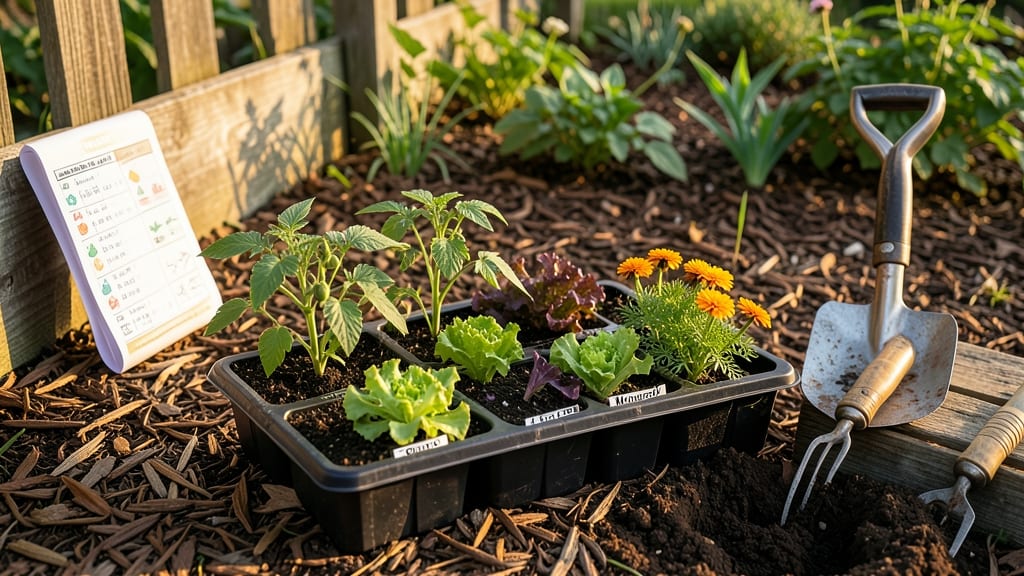
Planting a garden in Indiana at the right time means the difference between a lush harvest and wasted effort — and the clock starts ticking in early spring.
Indiana gardeners know timing is everything—plant too early and risk frost damage, too late and miss the growing season.
With USDA Zones 5b and 6a, knowing exactly when to start seeds, transplant seedlings, and harvest for maximum yield can mean the difference between a thriving garden and a disappointing one.
Cool-season crops like spinach and peas can go in the ground as soon as the soil is workable, often by March or early April, while warm-season favorites like tomatoes and peppers need to wait until after the last frost—typically mid-May in most of the state.
In this guide, I’ll break down the best planting windows for your Indiana garden, including soil prep tips and how to adjust for unpredictable weather. Let’s get those seeds in the ground at the perfect moment!
Indiana planting calendar: exact start dates by crop type (Zone 5b vs 6a)
Indiana’s USDA Zones 5b and 6a create subtle but critical differences in planting windows. Zone 6a’s earlier last frost date (April 15) lets you start 2 weeks sooner than Zone 5b (May 1).
This means the difference between a bumper crop and a frost-nipped disappointment often comes down to knowing these exact dates.
For cool-season crops like kale and peas, you can start seeds indoors 6-8 weeks before your last frost date. In Zone 5b, that means February 28 for early varieties, while Zone 6a gardeners can begin February 15. These hardy plants thrive when soil temperatures hover around 40-50°F.
Warm-season crops like tomatoes and peppers require soil temperatures above 60°F to thrive. In Zone 5b, wait until May 15 to transplant seedlings outdoors, while Zone 6a gardeners can start 2 weeks earlier. Use a soil thermometer to confirm readiness—planting too soon invites root rot.
For flowers, marigolds and zinnias are excellent choices for Indiana gardens. Direct sow them 2-3 weeks after your last frost date. In Zone 5b, that’s around April 20, while Zone 6a gardeners can start April 5. These cheerful blooms attract pollinators and add vibrant color to summer beds.
Don’t overlook herbs like basil and cilantro. Basil needs warmth and should only go outdoors after May 10 in Zone 5b or April 25 in Zone 6a.
Cilantro, however, bolts quickly in heat, so plant it in early spring or fall for the best results. A shade cloth can extend its growing season.
Fall planting is just as critical as spring. For kale, carrots, and radishes, sow seeds 8-10 weeks before your first frost (October 15). In Zone 5b, that means starting August 15, while Zone 6a gardeners can begin August 1.
These cool-season crops sweeten after frost, making them perfect for autumn harvests.
Microclimates in Indiana can shift planting dates by 1-2 weeks. South-facing slopes warm up faster, while low-lying areas may stay colder. Use row covers to extend early spring planting or protect tender seedlings from late frosts. Always monitor your local weather forecasts for unexpected cold snaps.
Pro tip: Keep a gardening journal to track your planting dates and success rates. Over time, you’ll refine your schedule to match your specific microclimate. For example, if your garden in Zone 5b consistently warms up faster than average, you might safely plant warm-season crops a week early.
By following these exact start dates, you’ll maximize your garden’s potential and enjoy fresh produce from spring through fall. Happy planting! 🌱
How to adjust planting times for Indiana’s unpredictable weather patterns
Indiana’s weather can throw even the most experienced gardeners for a loop. One week you’re dreaming of summer tomatoes, and the next, a surprise frost threatens to wipe out your seedlings.
The key to success? Flexibility and preparedness. I’ve learned that adjusting planting times based on real-time conditions—not just a calendar—can save your garden from disaster.
Start by monitoring soil temperatures with a soil thermometer. Most warm-season crops like peppers and cucumbers need soil temps of at least 60°F (15°C) to germinate properly. If your thermometer reads below that, hold off on planting.
Cool-season crops like kale and spinach, on the other hand, thrive in cooler soils, often as low as 40°F (4°C).
Here’s the catch: Indiana’s last frost dates can vary by 1-2 weeks depending on your location. Northern Indiana (Zone 5b) might see frost as late as May 1, while southern Indiana (Zone 6a) could be frost-free by April 15.
Always check local frost-free date averages and adjust your schedule accordingly.
⚠️ Late Frost Alert: Don’t Rush Your Planting!
Indiana’s late spring frosts can strike as late as May 10 in some years. If you’ve planted warm-season crops like tomatoes or peppers too early, a single night below 32°F (0°C) can kill them. To protect tender seedlings, use row covers or wait until after May 15—when the risk drops significantly.
Pro tip: Sign up for local frost alerts from your county extension office. They’ll notify you of unexpected cold snaps so you can cover plants or move them indoors temporarily.
Another trick I swear by is extending the growing season with row covers or cold frames. These simple tools can push your planting window 2-4 weeks earlier in spring or 2-3 weeks later in fall.
For example, I’ve used row covers to plant lettuce and radishes in early March, giving me a jumpstart on the season. Just remember to remove covers during the day once temps rise above 75°F (24°C) to avoid overheating.
When Indiana’s humidity spikes in summer, opt for fast-maturing varieties to avoid bolting or disease. For instance, choose bush beans (50-60 days to harvest) over pole beans if you’re worried about heat stress.
Similarly, radishes (25-30 days) are perfect for late summer plantings when days are shorter and temps are cooling.
Finally, keep a gardening journal to track what works (and what doesn’t) in your specific microclimate. Note the exact dates you planted, any weather anomalies, and how your crops performed. Over time, you’ll build a personalized planting schedule that beats Indiana’s unpredictable weather every time.