Planting
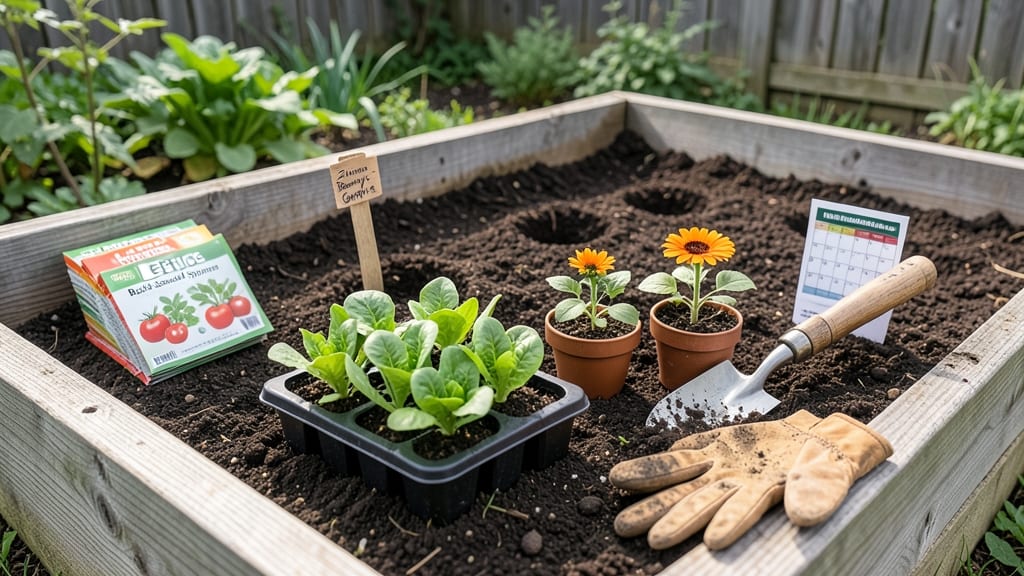
To plant a garden in New Brunswick after the last frost—typically mid-May—sets you up for the best chance at a bountiful harvest 🌱.
Timing your garden planting in New Brunswick can mean the difference between a thriving harvest and a disappointing flop—especially with the province’s unpredictable spring weather.
If you’ve ever rushed seeds into cold soil or waited too long for warm-season crops, you know how quickly things can go wrong. The key is aligning your planting with local frost dates, soil temperatures, and even microclimates in your area.
In this guide, I’ll break down the exact planting windows for vegetables, flowers, and perennials in New Brunswick’s Zone 5b, plus smart strategies to extend your growing season—so you can enjoy fresh produce from June to October.
New Brunswick last frost dates by region: critical timing for planting
Getting your planting schedule right in New Brunswick is all about understanding last frost dates—those critical moments when the risk of frost drops enough to safely plant warm-season crops. With the province’s varied climate zones, timing can shift by 1-2 weeks between Fredericton and coastal Saint John.
I’ll break down the averages, help you adjust for microclimates, and show you how to use this data for both cool-season and warm-season planting.
New Brunswick’s USDA Zone 5b means we typically enjoy 150 frost-free days, but coastal areas like Saint John often see slightly earlier last frosts due to moderating ocean influence. Fredericton and Moncton tend to run 3-5 days later on average.
Rural areas with higher elevations or inland locations can experience late-spring frosts even after the official dates, so I’ll share how to account for these variations in your planning.
Cool-season crops like spinach, peas, and lettuce can often tolerate light frosts, while warm-season crops such as tomatoes, peppers, and cucumbers need to wait until well after the last frost. For example, you might plant spinach in early April in Saint John, but wait until mid-May for tomatoes in Fredericton. Let’s dive into the specifics by region to help you time your planting perfectly.
📅 Last Frost Date Averages by Region (Historical Data)
| Region | Last Frost Date (Avg.) | First Frost Date (Avg.) | Frost-Free Days | Adjustment Tips |
|---|---|---|---|---|
| Saint John (Coastal) | May 10 | October 10 | 154 | Plant warm-season crops by May 15; coastal breezes delay frost. |
| Fredericton (Inland) | May 15 | October 15 | 153 | Wait until May 20 for heat-loving plants; inland valleys can be colder. |
| Moncton (Coastal) | May 12 | October 12 | 153 | Similar to Saint John; use row covers for early plantings. |
| Rural Areas (High Elevation) | May 20 | October 5 | 140 | Plant late-spring crops by May 25; monitor local forecasts. |
For cool-season crops, you can often start planting as early as mid-April in coastal areas, but wait until late April to early May in inland regions. These crops—like kale, carrots, and peas—can handle light frosts and may even taste sweeter after a frost.
Meanwhile, warm-season crops like tomatoes, peppers, and eggplants need to wait until 2-3 weeks after the last frost date to ensure they thrive.
Microclimates play a huge role in New Brunswick’s planting windows. For example, a south-facing slope in Fredericton might warm up 5-7 days earlier than a north-facing valley. Similarly, urban areas with concrete and buildings can trap heat and extend the growing season by 1-2 weeks.
If you’re unsure about your microclimate, I recommend using frost-sensitive plants like basil or impatiens as natural indicators—if they survive overnight, it’s safe to plant!
Another trick I use is checking soil temperature. Most warm-season crops need soil that’s at least 55°F (13°C) for consistent germination. You can use a soil thermometer or even your finger—if the soil feels warm enough to hold a bare hand for 5 seconds, it’s ready for planting.
In Fredericton, this usually aligns with late May, while coastal areas might hit this mark by early May.
If you’re planning to start seeds indoors, begin 6-8 weeks before your region’s last frost date. For example, if your last frost is May 15, start tomatoes indoors by mid-March. This gives them enough time to grow strong before transplanting. For
Best crops to plant in New Brunswick by season: month-by-month guide
New Brunswick’s cool maritime climate offers a short but productive growing season, but timing is everything. By following this month-by-month guide, you’ll maximize yields for 12 high-performing crops—from hardy potatoes to heat-loving tomatoes. I’ve included soil temperature thresholds and succession planting tips to stretch your harvests.
Start with cool-season crops in early spring, then transition to warm-season plants after the last frost. In New Brunswick, that’s typically mid-May in rural areas and late May in coastal zones. Use row covers to push early plantings, and always check 7-day soil temps before sowing.
Plant potatoes and onions in April when soil reaches 40°F (4°C). Use straw mulch to protect from late frosts.
After last frost (May 15), sow lettuce, radishes, and green beans. Transplant tomatoes and peppers when soil hits 55°F (13°C).
Direct-sow corn and cucumbers in June. Succession plant bush beans every 2 weeks for continuous harvests.
Sow carrots and beets for fall harvests. Start kale and spinach indoors for late-season planting.
Plant broccoli and cabbage for fall harvests. Use row covers to protect from early frosts.
Sow garlic and hardy greens like swiss chard. Cover with straw mulch to extend harvests into October.
For warm-season crops like tomatoes and peppers, always wait until soil temps stay above 55°F (13°C)—usually late May to early June. In cooler zones (e.g., Saint John), opt for early-maturing varieties like ‘Early Girl’ tomatoes or ‘Black Krim’ potatoes.
Succession planting is key in New Brunswick’s short season. For example, sow lettuce every 2 weeks from May to July for a continuous harvest. Similarly, radishes mature in just 30 days, making them perfect for quick turnarounds. Always rotate crops to prevent soil depletion and disease buildup.
Don’t forget to harden off seedlings before transplanting—especially for tomatoes and peppers. Gradually expose them to outdoor conditions over 7-10 days to avoid transplant shock. In my garden, this step has doubled survival rates for heat-loving plants.
🌱