Planting
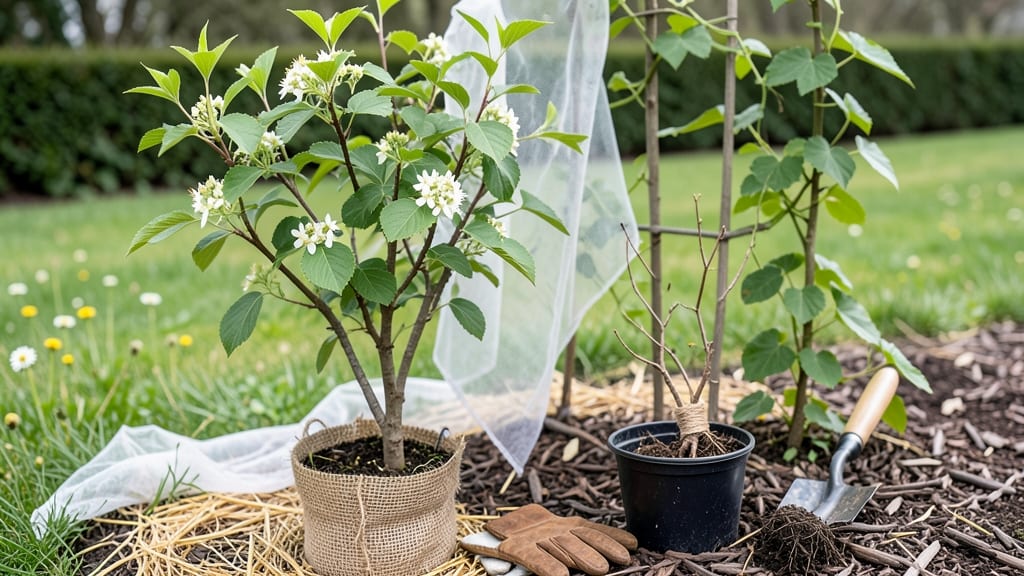
Planting a garden in North Dakota means timing your seeds and starts to fit within the 120-day frost-free window—a challenge, but one you can master with the right deadlines.
North Dakota’s short growing season demands precision—plant too early and risk frost damage, too late and miss peak harvests. Mastering the exact planting windows for USDA Zone 4b can mean the difference between a thriving garden 🌱 and wasted seeds.
Cool-season crops like peas and spinach can go into the ground as early as April 15, while warm-season favorites like tomatoes and peppers need to wait until after the last frost on May 15.
Fall planting for hardy greens opens again in July, but you’ll need to act fast.
Below, I break down the month-by-month schedule for vegetables, flowers, and herbs—plus how to adjust for North Dakota’s unpredictable weather and maximize your harvest.
North Dakota planting deadlines by crop type: USDA Zone 4b schedule
North Dakota’s USDA Zone 4b growing season is short but productive when you align planting with frost dates and soil temperatures. The average last frost date is around May 15, while the first frost typically arrives by September 15.
This leaves roughly 120 frost-free days—just enough for fast-maturing crops. Timing is everything, so let’s break down the best planting windows for your garden.
Cool-season crops like spinach and peas thrive in North Dakota’s early spring and late summer, while warm-season crops such as tomatoes and peppers need to be planted after the soil warms to at least 50°F.
Below, you’ll find a detailed planting schedule tailored to your zone, including ideal timeframes and soil prep tips to maximize your harvest.
📅 Key Dates to Remember: - March-April: Start indoor seeds (e.g., tomatoes, peppers) 6-8 weeks before last frost. - Mid-April: Plant hardy cool-season crops like onions and kale if soil is workable. - May 15: Safe to plant warm-season crops like beans and squash after frost risk passes. - July-August: Sow fall crops (e.g., radishes, lettuce) for a late harvest.
| Crop Type | Planting Window | Soil Temp Requirement | Notes |
|---|---|---|---|
| Cool-Season Vegetables | Mid-April to early May OR Late July to mid-August |
40-50°F | Peas, spinach, lettuce, kale, broccoli |
| Warm-Season Vegetables | Mid-May to early June | 50-60°F | Tomatoes, peppers, cucumbers, beans, squash |
| Herbs | Late April to early June OR Late July |
45-55°F | Parsley, cilantro, dill, chives, basil (start indoors) |
| Flowers | Mid-May to early July | 50°F+ | Marigolds, zinnias, sunflowers, cosmos (annuals) |
| Perennials | Early spring (April) or fall (September) | 40°F+ | Asparagus, rhubarb, lavender, coneflowers |
For cool-season crops, aim to plant 4-6 weeks before the last frost date. These hardy plants can handle light frosts and even snow cover, making them ideal for early spring or late summer planting.
Examples include spinach, peas, and broccoli. Use row covers to extend the season if needed—this can push your planting window by 2-3 weeks earlier or later.
Warm-season crops like tomatoes and peppers are more delicate and require warmer soil to thrive. Wait until the soil temperature consistently reaches 50°F or higher, typically around
How to adjust planting times for North Dakota’s unpredictable weather
North Dakota’s unpredictable frost dates can turn a perfect planting plan into a gamble. One year, the last frost might arrive by May 10, while another year it lingers until June 5.
These swings force gardeners to adapt with flexible strategies—like using row covers or selecting cold-hardy varieties—to protect their investments.
I’ve learned from fellow ND gardeners that the key lies in three core adjustments: extending the growing season with protective tools, choosing varieties bred for short seasons, and planting in stages.
For example, ‘Sugar Snap’ peas can handle light frosts, while ‘Early Girl’ tomatoes need a head start indoors or under row covers to avoid late-season setbacks.
Here’s how to navigate North Dakota’s weather quirks without losing your harvest to unexpected frosts or early snow. Start by planning for 14-21 days of buffer time around your usual planting dates—this accounts for both early and late frost scenarios.
⚠️ CALLOUT-WARNING
Pro Tip: Monitor NDSU Extension’s frost forecast (updated weekly) and adjust planting dates accordingly. A 5-day delay can mean the difference between a thriving tomato plant and a frost-killed seedling.
For cool-season crops, like spinach and kale, take advantage of North Dakota’s fall planting window. These hardy greens can be sown as late as July 15 and harvested well into October or November if protected by row covers during early frosts.
One of my neighbors in Fargo grows ‘Winterbor’ kale year-round by mulching heavily and using straw bales as windbreaks.
When planting warm-season crops, like beans and cucumbers, opt for fast-maturing varieties (e.g., ‘Contender’ bush beans mature in just 50 days). Pair these with succession planting: sow a new batch every 2 weeks from late May through June to ensure a continuous harvest before the first frost.
This works especially well for radishes and lettuce, which can be harvested in as little as 30 days.
Don’t overlook microclimates—southern exposures or urban heat islands can create 5-10°F warmer conditions than rural areas. For instance, gardens in Grand Forks might see frost-free soil 7-10 days earlier than those in Bismarck.
Use these local advantages to extend your season by 2-3 weeks for heat-loving crops like peppers.
Finally, keep a planting journal to track what works in your specific yard. Note the actual frost dates, how long your season lasts, and which varieties thrive despite North Dakota’s temperature swings. Over time, you’ll refine your schedule to match your microclimate—and turn unpredictability into a gardening advantage.