
Planting
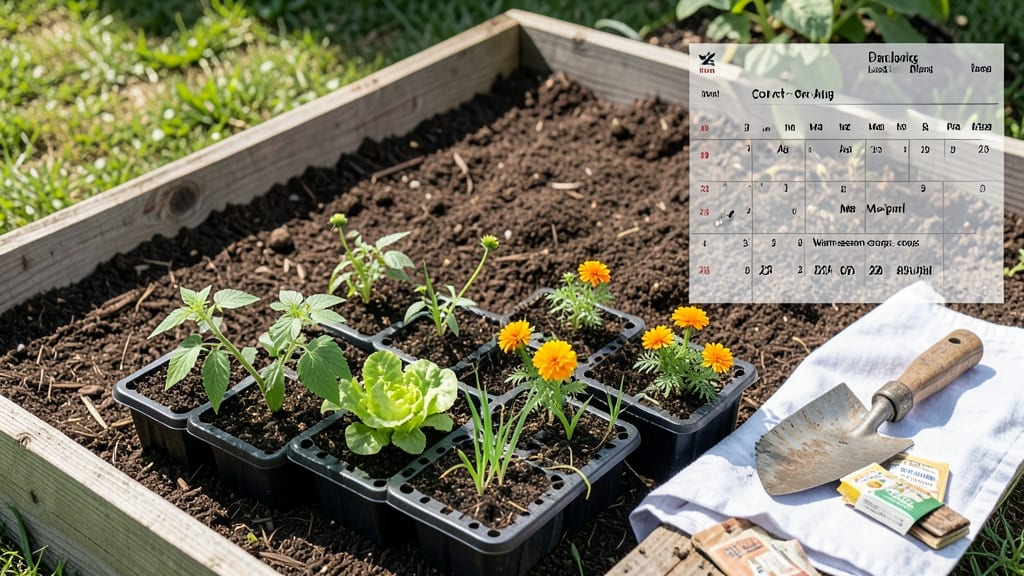
Planting your garden in Iowa at the right time means the difference between a bountiful harvest and a frost-killed disappointment.
Iowa’s unpredictable weather can turn your gardening dreams into a gamble—unless you know the exact planting windows for your USDA Zone 5b. Miss the deadlines, and frost will destroy your hard work.
With last frosts typically landing around April 15, timing is everything for cool-season crops like peas and spinach, while warm-season favorites like tomatoes and peppers need to wait until soil temperatures hit 50°F.
Below, I’ll break down the precise planting calendar for Iowa’s most popular 🌱 General Garden Plants, including frost alerts and succession planting tips to keep your garden thriving all season long.
Iowa’s USDA Zone 5b planting timeline: last frost dates by season
Iowa’s USDA Zone 5b offers a 165-day growing season, but timing is everything. The average last frost date ranges from mid-April in southern Iowa to late April in northern areas.
First frost typically arrives between mid-October and early November, depending on elevation and microclimates. Understanding these windows helps you avoid frost damage to tender plants.
Southern Iowa (e.g., Des Moines, Ottumwa) enjoys earlier last frosts—often by April 15—while northern regions (e.g., Waterloo, Mason City) may wait until April 30. This 2-week difference can mean the difference between a thriving garden and a failed crop. Always check your local weather alerts for adjustments.
| Season | Critical Dates (Zone 5b) | Actionable Deadlines |
|---|---|---|
| Spring |
Last Frost: April 15 (south) – April 30 (north) Soil Temp: 50°F+ |
Cool-season crops: Plant by April 1 Warm-season crops: Wait until May 15 |
| Summer |
Peak Heat: July–August Succession Plant: Every 2 weeks |
Heat-lovers: Tomatoes, peppers (plant June 1) Shade-tolerant: Lettuce, spinach (late summer) |
| Fall |
First Frost: Oct 15 (south) – Nov 1 (north) Planting Window: Aug 15–Sept 30 |
Cool-season: Kale, carrots (by Sept 1) Avoid: Basil, cucumbers (too tender) |
For cool-season crops like spinach, peas, and broccoli, plant seeds 4–6 weeks before the last frost. These hardy plants tolerate light frosts and even thrive in 50°F soil temperatures.
In contrast, warm-season crops such as tomatoes, peppers, and beans need soil temps above 60°F and should wait until after May 15.
Northern Iowa’s later frost dates mean gardeners there should delay planting heat-loving crops until June 1 to avoid frost damage. Use row covers or cold frames to extend the season by 2–3 weeks if needed. Always monitor local forecasts—a late frost in April can wipe out early plantings.
Fall planting in Iowa’s Zone 5b requires precise timing. Start cool-season crops by August 15 for a harvest before the first frost. Kale, Brussels sprouts, and carrots are excellent choices—they sweeten after frost!
Avoid planting tender annuals like marigolds or impatiens after September 1, as they won’t survive Iowa’s early October chills.
Urban gardeners in cities like Cedar Rapids or Davenport often experience microclimates with earlier last frosts due to urban heat islands. Rural areas, however, may face colder pockets. Adjust your planting dates by 3–5 days based on your specific location’s 10-year frost history.
Pro tip: Use biodegradable plant pots for warm-season starts in late April. This lets you transplant after frost without disturbing roots. For perennials like asparagus or rhubarb, plant crowns in early spring (March–April) for established roots before summer heat arrives.
Remember, Iowa’s growing season is short but productive. By following these frost-based deadlines, you’ll maximize yields and minimize losses. Start with cool-season crops, transition to warm-season plants, and end with fall favorites—your garden will thrive all season long! 🌱
Best vegetables and flowers to plant in Iowa by month (with frost risk alerts)
Iowa’s growing season is short but sweet, and timing is everything. Plant too early and frost will nip your seedlings in the bud. Too late, and you’ll miss peak harvests. The key is knowing which vegetables and flowers thrive in each month—and when to watch for unexpected frost alerts.
Let’s break it down by month to keep your garden flourishing from spring to fall.
Start with cool-season crops like peas, spinach, and kale in early spring, then transition to heat-loving tomatoes, peppers, and marigolds as temperatures rise. Fall brings another chance for hearty greens and flowers like chrysanthemums.
But remember: Iowa’s frost dates can shift yearly, so always check local forecasts before planting warm-season crops.
- 1. April (Early Spring): Plant peas, spinach, lettuce, and pansies as soon as soil is workable (around April 15). Frost risk is high—cover seedlings with row fabric if temperatures dip below 32°F.
- 2. May (Late Spring): Time for radishes, carrots, and marigolds (early May) and tomatoes, peppers, and zinnias (after May 15, when soil hits 50°F). Watch for late frost warnings—Iowa’s last frost can hit June 1 in northern areas.
- 3. June (Summer Start): Sow beans, cucumbers, and sunflowers. Succession plant lettuce and basil every 2 weeks. Frost risk drops, but heatwaves can stress plants—mulch to retain moisture.
- 4. July-August (Peak Summer): Plant fall crops like kale, broccoli, and chrysanthemums in late July. Avoid planting warm-season crops after August 1—they won’t mature before frost.
- 5. September (Fall Transition): Focus on hardy greens (spinach, arugula) and flowers (pansies, snapdragons). Stop planting warm-season crops—first frost typically arrives by October 15 in southern Iowa, earlier in the north.
Pro tip: Use Iowa State University’s frost date maps to adjust your schedule. For example, Des Moines averages a last frost on April 20, while Dubuque waits until May 5. Always plant fast-maturing varieties (like bush beans) in late summer to beat frost.
Don’t forget perennials! Plant daylilies, coneflowers, and asparagus in spring for long-term beauty and harvests. These thrive in Iowa’s climate and return year after year. Just give them time to establish roots before winter sets in.
Watch for frost alerts from the National Weather Service or local extensions. If frost is forecasted, cover tender plants with frost cloth or move potted plants indoors. A little preparation goes a long way in Iowa’s unpredictable climate.