Planting
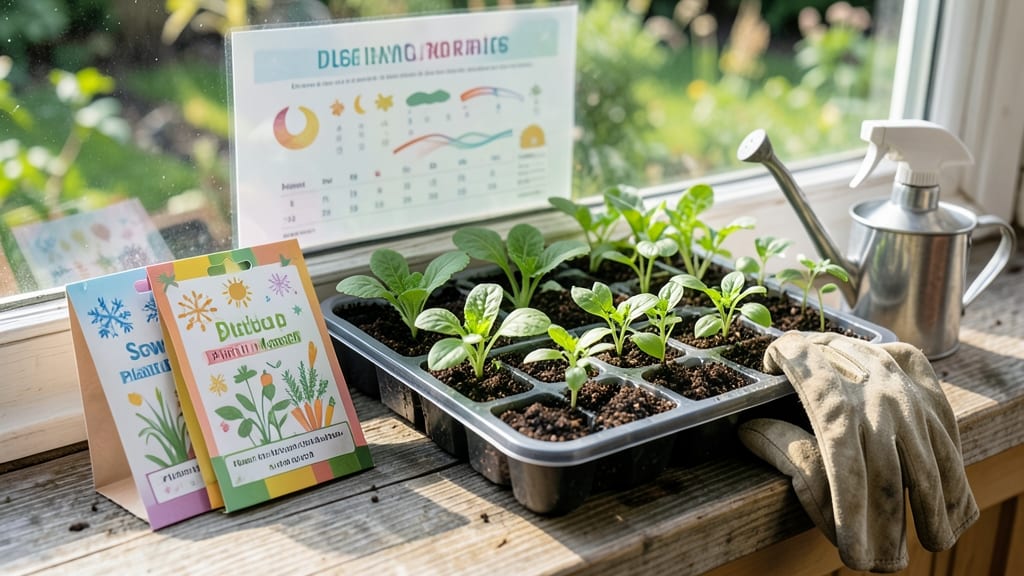
Planting seeds in your garden at the right time ensures strong starts and bountiful harvests—miss the window, and you risk stunted growth or wasted effort.
Timing your seed planting perfectly can mean the difference between a thriving garden and a wasted season—getting it wrong by even a few weeks can spell disaster for frost-sensitive crops. Whether you're in Zone 6a or a warmer region, knowing your last frost date is the first step to success.
Cool-season crops like lettuce and peas thrive when planted 4-6 weeks before your last frost, while warm-season favorites such as tomatoes and peppers need to wait until soil temperatures hit 60°F or higher.
I’ll break down how to calculate your exact planting window, adjust for regional climate quirks, and even extend your growing season with simple tricks.
Ready to turn your garden into a productive powerhouse? Let’s dive into the frost-free deadlines and actionable steps that will help you plant with confidence—no more guesswork, just growth.
Frost-free planting deadlines by crop type: warm vs cold season plants
Getting your seed planting timing right is the secret to a bountiful harvest. Warm-season crops like tomatoes and peppers need to wait until after the last frost, while cool-season crops like lettuce and spinach thrive when planted earlier.
The key lies in your local frost dates and USDA hardiness zone. For example, gardeners in Zone 5 have a shorter window than those in Zone 9, where frost is rare.
I’ve planted seeds too early only to watch them freeze overnight—a painful lesson! The rule of thumb is to plant warm-season crops 2-4 weeks after your last frost date, while cool-season crops can handle light frosts and should go in 4-6 weeks before the last frost.
But timing varies wildly depending on whether you’re in Minnesota or Miami.
Below is a quick-reference table for common garden crops, organized by season. Use your local frost dates (check the Old Farmer’s Almanac or National Weather Service) to adjust these guidelines.
For instance, if your last frost is April 15, warm-season crops should go in by May 1, while cool-season crops can start as early as March 1.
| Crop Type | Season | Planting Window (Before Last Frost) | Soil Temp Requirement | USDA Zone Notes |
|---|---|---|---|---|
| Tomatoes | Warm | 2-4 weeks after last frost | 60°F+ | Zones 3-10: Wait until soil is consistently warm (use a soil thermometer) |
| Peppers | Warm | 2-4 weeks after last frost | 70°F+ | Zones 7-10: Can plant earlier with row covers |
| Cucumbers | Warm | 2-3 weeks after last frost | 55°F+ | Zones 5-9: Start indoors 3-4 weeks before last frost |
| Lettuce | Cool | 4-6 weeks before last frost | 40-60°F | Zones 1-4: Can plant as early as March with cold frames |
| Spinach | Cool | 4-6 weeks before last frost | 40-55°F | Zones 6-10: Avoid summer heat—plant in fall for best results |
| Peas | Cool | 1-2 months before last frost | 40-70°F | Zones 3-8: Tolerates light frost—ideal for early spring |
| Broccoli | Cool | 4-6 weeks before last frost | 50-70°F | Zones 5-9: Slow grower—start seeds indoors for earlier harvests |
| Green Beans | Warm | 1-2 weeks after last frost | 60°F+ | Zones 3-10: Fast-growing—can replant every 2 weeks for continuous harvest |
For northern gardeners in Zones 3-5, the window is tight—you’ll need to start warm-season seeds indoors 6-8 weeks before the last frost. I’ve had great success with peppers and tomatoes using grow lights in my basement.
Meanwhile, southern gardeners in Zones 8-10 can plant year-round with minimal frost risk, but summer heat can still stress crops like lettuce.
Pro tip: Use row covers or cold frames to extend your cool-season planting into early spring or late fall. I’ve successfully grown spinach in October in Zone 6 by covering it with frost cloth.
Always check the seed packet for specific instructions—some varieties, like heirloom tomatoes, need longer growing seasons than hybrids.
One common mistake I see is planting warm-season crops too early because the air feels warm, but the soil is still cold. Always check soil temperature—most warm-season crops need at least 60°F to germinate.
Use a soil thermometer (they’re cheap and worth it!) to avoid wasting seeds on slow or failed germination.
If you’re in Zone 7 or higher
How to calculate your local seed planting window using frost dates
Determining your local seed planting window starts with knowing your last average frost date. This critical piece of information tells you when it’s safe to plant frost-sensitive crops like tomatoes and peppers.
Without it, you risk exposing young seedlings to deadly nighttime chills. I’ve used frost dates for years to plan my garden, and it’s the foundation of every successful planting schedule.
But frost dates alone aren’t enough—you also need to factor in soil temperature. Seeds like beans and corn won’t germinate properly if the ground is still too cold, even if the air has warmed up.
For example, my tomato seeds need soil at 60°F or warmer to sprout reliably. Checking soil temp with a simple probe (or even your finger!) ensures you’re planting at the right moment.
-
Step 1: Find Your Last Frost Date
Use the Old Farmer’s Almanac or National Weather Service to locate your average last frost date. For example, in Zone 6a, this is typically around April 15, but your exact date may vary by 5-10 days.
-
Step 2: Check Soil Temperature
Use a soil thermometer to confirm your soil is warm enough. Most warm-season crops need 60°F+, while cool-season crops like lettuce tolerate 40°F+. Test in the morning for accuracy.
-
Step 3: Adjust for Your Crop Type
Plant cool-season crops 4-6 weeks before your last frost. For warm-season crops, wait until 2 weeks after your last frost to avoid frost damage. Seed packets often include specific timing guidelines.
-
Step 4: Use Heat Maps for Precision
Tools like the USDA Plant Hardiness Zone Map or Gardeners.com Heat Zone Map help refine your timing. For instance, Zone 7b gardeners can plant earlier than Zone 5a neighbors.
-
Step 5: Plan for Backup Dates
If your seedlings take longer to mature, note a secondary planting date 2-3 weeks later. This ensures you have a backup if early plantings fail due to unexpected late frosts.
Once you’ve nailed down your frost dates and soil temps, don’t forget to account for regional microclimates. A spot near a lake or hillside might stay warmer longer, extending your planting window.
I’ve seen gardeners in Zone 6a successfully plant tomatoes a week earlier than their neighbors by choosing a south-facing bed.
For extra precision, I recommend marking your frost dates on a garden calendar alongside key milestones like seed starting indoors (usually 6-8 weeks before last frost) and transplanting seedlings (usually 2-3 weeks before last frost). This visual reminder keeps me on track every season.
Pro tip: If you’re unsure about your local frost dates, check with nearby master gardeners or extension services. They often have firsthand data from local gardens. With these steps, you’ll never guess your planting window again—just plant with confidence and watch your garden thrive!