Planting
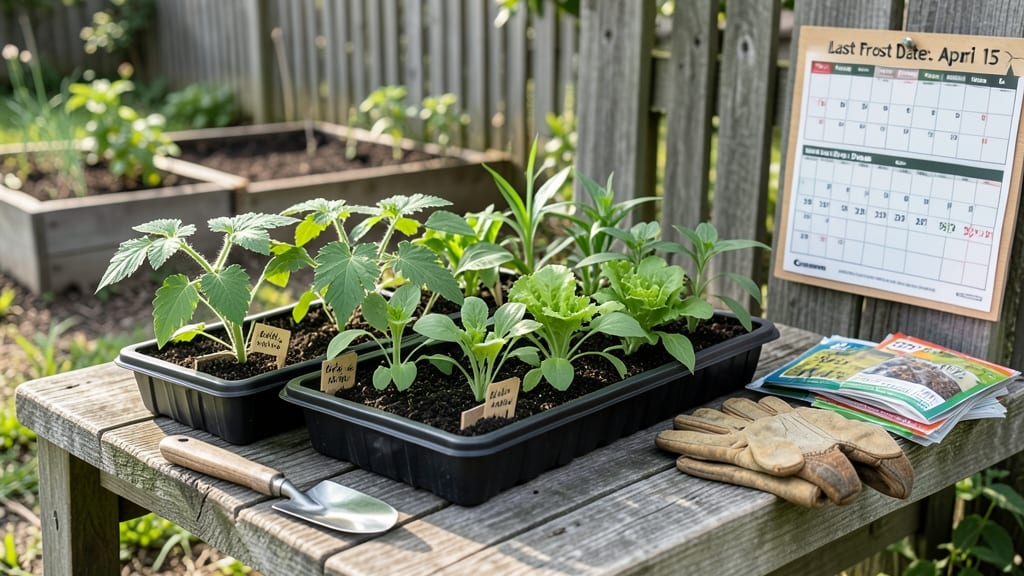
Planting a garden in Pennsylvania at the right time means the difference between a bountiful harvest and a sad pile of frost-nipped seedlings.
Pennsylvania’s diverse climate—spanning USDA Zones 4 to 7—means your garden’s success hinges on planting at the perfect time for each crop. Get it wrong, and you risk frost damage, stunted growth, or wasted seeds.
But with the right timing, you’ll enjoy bumper harvests of tomatoes, peppers, and more—all without guessing when to start.
Cool-season crops like spinach and peas thrive when planted 4-6 weeks before your last frost, while warm-season favorites like tomatoes and peppers need to wait until after the last frost date—usually mid-April to early May in most zones.
Fall planting? August and September are your best bets for a second harvest before winter sets in.
Below, I break down the exact planting windows for your zone, how to adjust for microclimates (like Pittsburgh’s cooler springs or Philadelphia’s heat islands), and the one trick that lets you push your season by 3-4 weeks—no greenhouses required.
Pennsylvania planting deadlines by USDA Zone and crop type
Pennsylvania’s USDA Zones 4-7 create a unique gardening challenge, where last frost dates can vary by 2-3 weeks between regions like Pittsburgh (Zone 6a) and Philadelphia (Zone 7a). Understanding these planting windows ensures your cool-season crops like spinach thrive while warm-season crops like tomatoes avoid frost damage.
Let’s break down the exact timing for each zone and crop type.
First, know your last average frost date—this is your garden’s starting line. In Zone 4 (northwest PA), expect frost until May 15, while Zone 7 (southeast PA) typically sees its last frost by April 15.
For warm-season crops, wait 2-3 weeks after this date to plant seeds or seedlings. Cool-season crops, however, can go in 4-6 weeks before the last frost.
Here’s a zone-by-zone breakdown of when to plant your favorite vegetables and herbs, including regional adjustments for cities like Pittsburgh, Philadelphia, and Harrisburg:
For cool-season crops like spinach, peas, and kale, aim to plant 4-6 weeks before your last frost date. These hardy vegetables can tolerate light frosts and even thrive in cooler temperatures.
In Zone 4, start seeds indoors by March 1 for an early spring harvest. Meanwhile, Zone 7 gardeners can plant outdoor greens as early as February 1.
Warm-season crops—such as tomatoes, peppers, and cucumbers—require soil temperatures above 60°F and no frost risk. In Pittsburgh (Zone 5b), wait until May 15 to plant seeds or May 30 for seedlings.
In Philadelphia (Zone 7a), you can start 2 weeks earlier, around April 30. Use row covers or black plastic mulch to warm the soil faster if needed.
Don’t forget about fall planting! Many cool-season crops can be sown in late summer for a harvest before winter. In Zone 4, plant spinach and radishes by August 1 for a September-October harvest.
In Zone 7, extend your window until October 1 for hardier crops like broccoli and carrots. This fall garden can be just as productive as your spring one!
Regional variations matter—Pittsburgh’s urban heat island effect can push last frost dates 5-7 days later than rural areas. Check local weather stations or use Almanac’s Frost Calculator for precise dates. For high-altitude gardens (e.g., Poconos), expect 1-2 weeks later frost dates than valley areas like Lancaster.
Pro tip: Use succession planting to maximize your garden’s potential. For example, sow lettuce every 2 weeks from March to August to ensure a
How to extend your Pennsylvania growing season naturally
Pennsylvania’s short growing season doesn’t have to limit your harvests. With the right techniques, you can push your last frost back by 4-6 weeks or start planting 2-3 weeks earlier—all without expensive greenhouses.
The key? Combining season extension tools with smart planting strategies tailored to your USDA zone and local microclimate.
For example, in Zone 5b, where average last frost dates hover around April 15, a simple row cover can safely extend your season until May 10—giving you an extra month to grow spinach or kale.
Meanwhile, in Zone 7a, where first frosts arrive around October 20, a cold frame can keep lettuce or radishes growing until November 15. The trick is knowing which methods work best for your specific region.
Don’t rely on USDA zone averages—they’re too broad for Pennsylvania’s microclimates. For instance, Pittsburgh’s last frost often arrives 1-2 weeks later than Philadelphia’s due to its inland location.
To find your true frost dates, pull up 5 years of local weather records from the NOAA website and average the earliest spring frost and latest fall frost. This gives you a data-driven baseline for planning.
For early spring starts, use cold frames (unheated boxes with clear lids) to protect seedlings from 20°F+ frosts. Place them on south-facing slopes to maximize sunlight.
In Zone 6, this can let you plant peppers or eggplants by April 20—3 weeks earlier than traditional last frost dates suggest.
For fall harvests, focus on fast-maturing varieties like 'Early Wonder' zucchini (45 days) or 'Cherry Belle' radishes (25 days). Pair them with row covers to shield them from early October frosts. In Zone 5, this can extend your harvest window until November 1.
Pro tip: Mulch heavily with straw or leaves in late summer to insulate soil and keep roots 5-10°F warmer than ambient air. This buys you 10-14 extra frost-free days in fall—enough to squeeze in one more planting of spinach or kale.