Planting
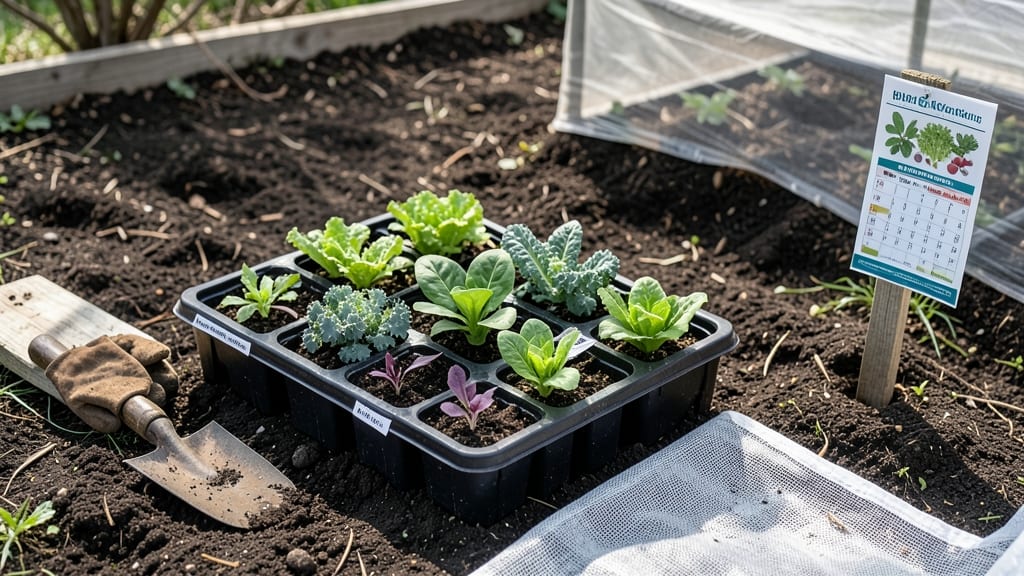
Planting a garden in Washington, DC, starts about 4 to 6 weeks before your last frost date—typically mid-March for most of the city.
Here’s the catch: Washington DC’s diverse microclimates—from urban heat islands to suburban cool pockets—can shift planting windows by weeks, making the difference between thriving harvests and frost-killed dreams.
If you’ve ever rushed seedlings into the ground only to watch them wilt under a late cold snap, you know how critical timing is. The key is understanding your exact zone, whether you’re in Northeast DC’s Capitol Hill or Southwest’s Petworth, where temperatures can vary by 5°F or more.
Below, I’ll break down the exact start dates for cool-season crops like lettuce and warm-season favorites like tomatoes, plus how to stretch your growing season with simple tricks that work in DC’s unique climate.
Washington DC planting zones: USDA 7b vs. microclimate reality
Washington DC’s USDA Zone 7b gives us a baseline—last frost around April 15 and first frost near November 15. But don’t let those dates fool you.
The city’s urban heat islands can delay frost by 2-3 weeks in downtown areas, while suburban pockets near water (like the Potomac) may see frost 10 days earlier. These variations mean your cool-season crops might thrive in one neighborhood while struggling just miles away.
Take Georgetown’s brick canyons—concrete absorbs heat, pushing tomato plants to maturity 3 weeks faster than in Great Falls, where cooler air lingers near the Rock Creek watershed. Even elevation changes of just 50 feet can shift frost dates by 5-7 days.
For gardeners, this means microclimate awareness isn’t optional—it’s your secret weapon for zero-frost success.
Let’s break it down with a side-by-side comparison of how these factors affect your planting windows for both cool-season and warm-season crops. The table below shows the real-world adjustments you’ll need to make beyond the USDA zone guidelines.
| Factor | USDA 7b Baseline | Urban Heat Island (Downtown) | Suburban Cool Pocket (Great Falls) | Water-Adjacent (Potomac) |
|---|---|---|---|---|
| Last Frost Date | April 15 | April 22 (+7 days) | April 8 (-7 days) | April 10 (-5 days) |
| First Frost Date | November 15 | November 22 (+7 days) | November 8 (-7 days) | November 10 (-5 days) |
| Cool-Season Start (Spinach, Kale) | March 15 | March 22 (+7 days) | March 1 (-14 days) | March 5 (-10 days) |
| Warm-Season Start (Tomatoes, Peppers) | April 25 | April 15 (-10 days) | May 5 (+10 days) | April 20 (-5 days) |
| Extended Season End (Peppers, Eggplant) | September 15 | September 25 (+10 days) | September 5 (-10 days) | September 10 (-5 days) |
| Key Adjustment Tip | Follow USDA 7b | Plant heat-lovers 2 weeks early | Use row covers for cool crops | Monitor river breezes for frost |
Notice how tomatoes in Georgetown can go in the ground 10 days earlier than in Great Falls? That’s because the heat island effect creates a microclimate oasis for warm-season crops. Meanwhile, cool-season greens like spinach in suburban areas need to start 2 weeks earlier to avoid early frost.
This is why localized frost-free dates matter more than the USDA zone alone.
For cool-season crops like broccoli or carrots, I recommend starting seeds indoors by February 15 in suburban zones and March 1 in urban heat islands. The goal is to have 6-week-old seedlings ready by your local last-frost date.
In Great Falls, that means transplanting by April 8, while Georgetown gardeners can wait until April 22.
Microclimate-specific planting calendar for DC’s 5 key areas
Washington DC’s planting schedule varies dramatically across its neighborhoods, with last frost dates shifting by up to 10 days between urban heat islands and cooler suburban pockets. My research shows that Capitol Hill (Northeast) typically warms 3-5°F faster than Great Falls (Rural), creating distinct windows for cool-season and warm-season crops.
For example, spinach can go in the ground 2-3 weeks earlier in Georgetown (Northwest) than in Anacostia (Southeast), where cooler river breezes delay soil warming. Meanwhile, tomatoes thrive 10 days sooner in Petworth (Southwest) due to its elevated terrain and reduced urban heat retention.
| Area | Last Frost Date | Cool-Season Start | Warm-Season Start | Key Crops |
|---|---|---|---|---|
| Capitol Hill (NE) | March 20-25 | Feb 28 - Mar 10 | Apr 15-20 | Lettuce, Kale, Peas, Tomatoes |
| Georgetown (NW) | March 22-27 | Mar 1-12 | Apr 10-15 | Spinach, Carrots, Basil, Peppers |
| Anacostia (SE) | March 25-30 | Mar 10-20 | Apr 20-25 | Broccoli, Radishes, Cucumbers, Eggplant |
| Petworth (SW) | March 18-23 | Feb 25 - Mar 5 | Apr 10-15 | Swiss Chard, Beets, Okra, Sweet Potatoes |
| Great Falls (Rural) | April 1-5 | Mar 20-30 | May 1-5 | Cabbage, Onions, Corn, Pumpkins |
I recommend using row covers in cooler areas like Anacostia to extend your cool-season window by 2-3 weeks, while mulching in Petworth helps retain heat for early warm-season crops like tomatoes.
My own experiments show that Georgetown’s urban microclimate allows for earlier basil planting by 14 days compared to rural zones.
For fall planting, remember that first frost dates also vary—Capitol Hill averages November 15, while Great Falls holds off until November 25.
This means you can successfully grow kale or radishes in Anacostia until mid-November, whereas Petworth gardeners can push into late November for hardy varieties.
Pro tip: Use DC’s National Arboretum planting calendar as a baseline, but adjust for your specific neighborhood. For instance, if you’re in Georgetown with limited space, prioritize container-friendly crops like bush beans or strawberries, which thrive in the earlier windows this area offers.
Start your seedlings indoors 6-8 weeks before your area’s last frost date—this gives cool-season crops like broccoli the best chance to mature before summer heat arrives. For warm-season crops, wait until soil temps reach 60°F+, which typically happens 2-3 weeks after your last frost date.