
Planting
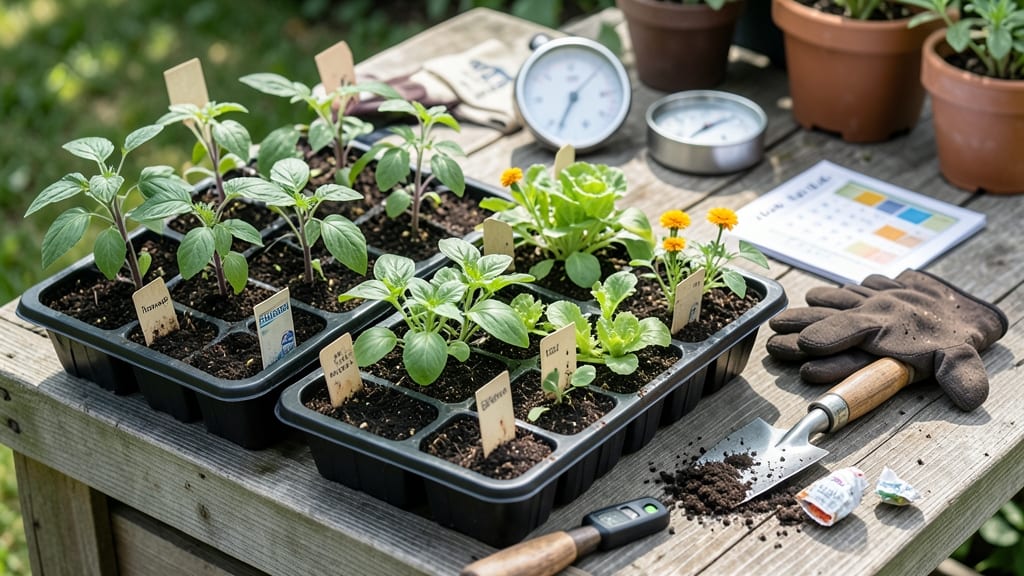
To plant a garden in your zone at the perfect time, start by checking your last frost date—skipping this step can turn eager seedlings into sad, stunted plants.
Timing your garden planting by your local frost dates can mean the difference between a thriving harvest and a wasted seed packet. Whether you’re in a chilly Zone 6a or a balmy tropical region, the rules change dramatically.
Cool-season crops like lettuce and peas love the soil when it’s still cool, while tomatoes and peppers need warmth to take off. I’ll break down the exact windows for each, plus how to adjust for early starts, late summers, and everything in between.
By the end, you’ll know not just when to plant, but how to stretch your growing season with simple tricks—no guesswork, just green thumbs ahead.
How to determine your planting zone and frost dates
Getting your garden timing right starts with understanding your USDA hardiness zone and local frost dates. These two factors determine when to plant seeds, seedlings, and even when to harvest.
Without this knowledge, you risk planting too early and losing tender crops to frost or waiting too long and missing the ideal growing window.
Your planting zone isn’t just about temperature—it also reflects your area’s average minimum winter temperatures. The USDA divides the U.S. into 13 zones (1-13), with zone 1 being the coldest and zone 13 the warmest.
For example, zone 5 experiences average winter lows of -20°F to -10°F, while zone 9 rarely drops below 20°F.
To find your zone, visit the USDA Plant Hardiness Zone Map online and enter your ZIP code. Most gardeners fall between zones 5 and 9, but coastal areas or high elevations can push you into different ranges.
For instance, Denver (zone 5) and Seattle (zone 8) both have very different frost patterns despite similar latitudes.
Next, locate your average last frost date (when nighttime temps stay above 32°F) and first frost date (when temps drop below 32°F). These dates mark the boundaries for planting cool-season crops (like lettuce and peas) and warm-season crops (like tomatoes and peppers).
You can find these dates through local agricultural extension offices or online tools like Almanac’s Frost Date Calculator.
For a more precise approach, check heat zone maps, which categorize areas by 10-day average temperatures during the hottest part of the year. This helps determine when to plant heat-loving crops like okra or sweet potatoes.
For example, zone 8 might have 120+ days above 86°F, while zone 5 may only see 30 days in that range.
Here’s how these factors work together: In zone 6, your last frost might be April 15, while your first frost arrives October 15. That gives you a 182-day growing season.
Plant cool-season crops like spinach in early spring or late summer, and warm-season crops like peppers after the last frost.
Pro tip: Use microclimates to your advantage. A south-facing wall or raised bed can warm up faster, extending your planting window by 1-2 weeks. Conversely, low-lying areas may frost earlier, so adjust accordingly.
Now, let’s break down how these zones and frost dates translate into actionable planting windows for your garden:
| Zone | Last Frost Date | First Frost Date | Growing Season | Cool-Season Planting | Warm-Season Planting |
|---|---|---|---|---|---|
| Zone 3 | May 1 | September 30 | 152 days | Early spring (March) or late summer (July) | After May 15 |
| Zone 5 | April 15 | October 15 | 182 days | Early spring (March) or late summer (August) | After April 30 |
| Zone 7 | March 15 | November 15 | 245 days | Early spring (February) or late summer (September) | After March 1 |
| Zone 9 | February 1 | December 15 | 347 days | Year-round (with caution) | After January 15 |
| Zone 10 | December 15 | January 15 | 365 days | Year-round (tropical crops) | Year-round (with shade) |