Planting
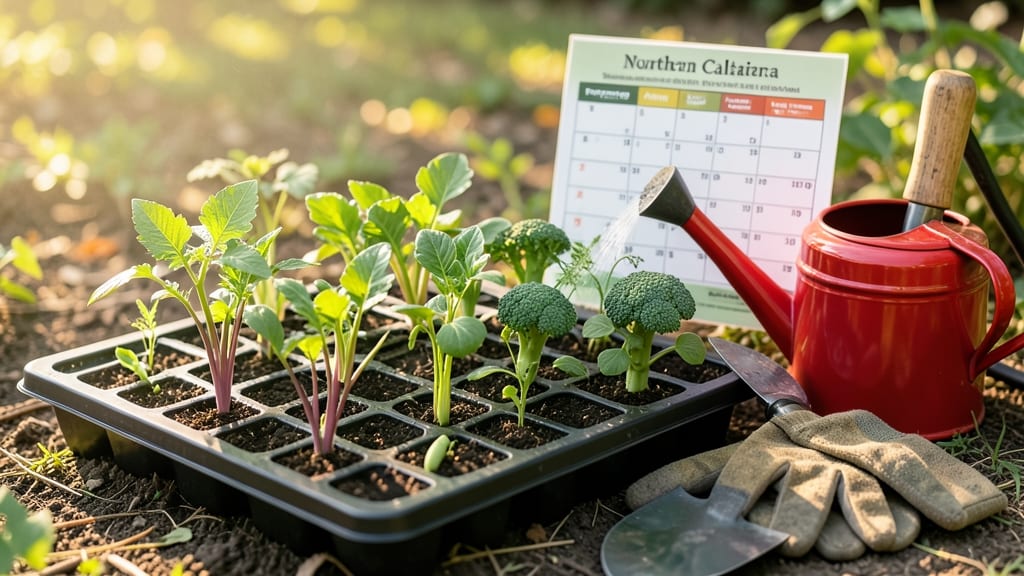
Planting a vegetable garden in Northern California at the right time means the difference between a bountiful harvest and a sad pile of frost-bitten leaves.
Timing your vegetable garden planting in Northern California can mean the difference between a thriving harvest and a frost-killed disappointment—but with diverse microclimates from the Bay Area to the Sacramento Valley, the "right time" varies dramatically.
Coastal areas like San Francisco might have warmer springs and later frosts, while inland zones like Sacramento can bake by June, making summer planting a gamble. Get this wrong, and you’ll either wait too long for cool-season crops or watch your tomatoes bolt in the heat.
Here’s how to pinpoint your exact planting window—by region, frost dates, and crop type—so you can start seeds, set out transplants, and even plan for succession planting like a local pro.
Northern California planting zones: frost dates by region (Bay Area vs. Sacramento vs. coastal)
Northern California's diverse microclimates create wildly different planting windows—what works in cool coastal Santa Cruz can fail in hot inland Sacramento. Understanding your last frost dates and USDA hardiness zones is essential for timing cool-season crops like broccoli and warm-season crops like tomatoes.
Let’s break down the key regions where frost-free dates shift dramatically.
Most Northern California gardeners rely on USDA Zones 8-10, but elevation and proximity to the ocean create huge variations. For example, San Francisco’s coastal fog delays spring planting by 2-3 weeks compared to Sacramento’s inland heat.
Even within cities, neighborhoods can differ by 10°F in winter lows, affecting when you can safely plant frost-sensitive peppers and cucumbers.
Here’s the critical data you need to plan your vegetable garden calendar—including how elevation impacts frost dates even within the same city.
Notice how Sacramento’s last frost often arrives 2-3 weeks earlier than the Bay Area’s, but its first frost can hit just as late—or even earlier in some years.
This means warm-season crops like peppers and eggplants can go in the ground sooner inland, but cool-season crops like kale and spinach may need frost cloth longer near the coast.
Elevation plays a huge role: In Sacramento’s foothills, areas above 1,000 feet can experience 10-14 days fewer frost-free days than valley floors.
For example, Davis (Zone 9a) might safely plant tomatoes by March 15, while a hillside garden just 5 miles away could wait until April 1 to avoid late frosts.
For cool-season crops, aim to plant 4-6 weeks before your last frost date.
In the Bay Area, that means late February for lettuce, while in Sacramento, you can start as early as mid-February. Warm-season crops like cucumbers and beans should wait until 2 weeks after your last frost—so early April in the Bay Area vs. late March inland.
Pro tip: Use UC Master Gardener resources or local weather stations (like California Irrigation Management Information System) for hyper-local frost alerts. Even a 200-foot elevation gain can shift your planting window by 5-7 days. For example
Best vegetables to plant by month in Northern California (microclimate-specific guide)
Northern California's microclimates create a gardener's paradise—but they also demand precision. The Bay Area's coastal fog delays spring planting by weeks, while the Sacramento Valley's intense summer heat requires early warm-season crops.
My month-by-month guide adapts planting times to these variations, ensuring your garden thrives whether you're in USDA Zone 8b or Zone 10a.
Start with cool-season crops like lettuce and peas in late winter (February-March) for coastal areas, but wait until April in inland zones where frost lingers.
Warm-season favorites such as tomatoes and peppers need soil temperatures above 60°F, so I recommend starting seeds indoors in March for transplanting after last frost—typically mid-April in the Bay Area and late April in Sacramento.
For succession planting, I recommend staggering sowings every 2-3 weeks for crops like lettuce and beans. This ensures a continuous harvest and maximizes your garden's productivity. In Zone 10a (e.g., Redwood Coast), you can even plant winter squash in September for a fall harvest, avoiding the summer heat.
Always check local frost dates—the UC Master Gardener Program provides updated forecasts. My go-to varieties for Northern California include heat-tolerant lettuce (like 'Black Seeded Simpson') and drought-resistant tomatoes (like 'Solar Fire'), which perform exceptionally well in our varied climates.
Pro tip: Use black plastic mulch in inland areas to warm soil faster for early plantings, while coastal gardeners should opt for light-colored mulch to reflect excess heat. Adjust your schedule based on microclimate observations—your neighbor's garden might be 10°F warmer or cooler than yours!
With these adjustments, you'll avoid the pitfalls of late frosts and summer bolting, ensuring a year-round harvest tailored to Northern California's unique growing conditions. Happy planting! 🌱