Planting
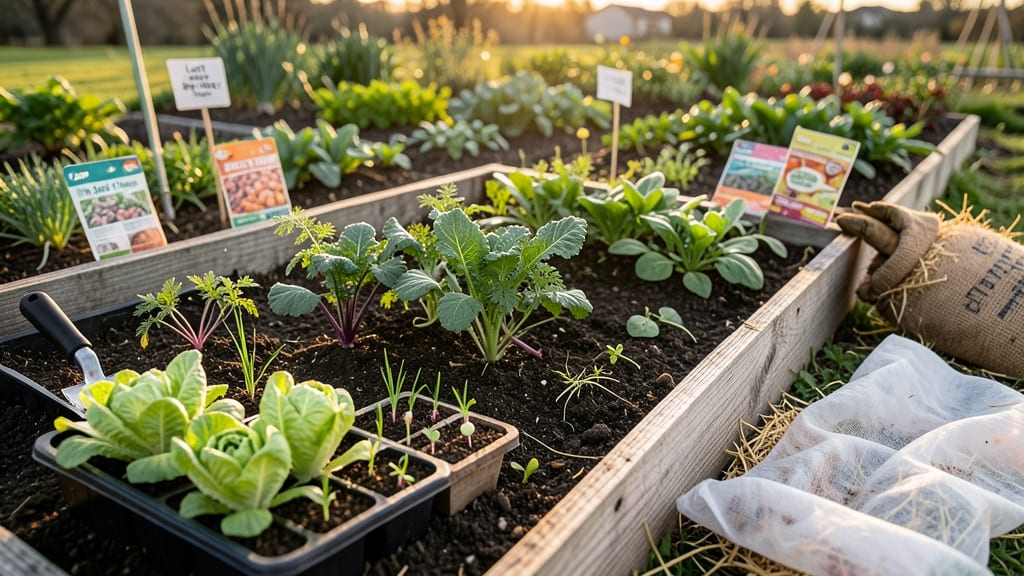
To plant a vegetable garden in Pennsylvania, aim for late April to early May in most zones, when soil warms to 50°F and frost threats ease—but timing varies by region.
Pennsylvania’s unpredictable frost dates can turn a gardener’s dream into a frozen disappointment—but knowing the exact planting windows for your USDA zone means zero wasted seeds and maximum harvests.
Whether you’re in Zone 5’s cooler valleys or Zone 7’s milder Piedmont, the difference between a thriving garden and a sad, half-buried seedling often comes down to two-week windows and soil temperature.
Here’s how to pinpoint your ideal planting dates, adjust for microclimates, and stretch your growing season for bigger harvests—without guessing.
Pennsylvania’s USDA zones & exact frost-free planting dates by region
Pennsylvania spans USDA Zones 5-7, creating a diverse gardening landscape where last frost dates can vary by 3-4 weeks between regions. Whether you're in Pittsburgh (Zone 6a) or Philadelphia (Zone 7b), knowing your exact frost-free window is the difference between a thriving garden and a sad seed packet.
I’ve broken down the key planting dates and microclimates to help you plan like a pro.
First, let’s clarify: Pennsylvania’s average last frost dates range from April 15 in Zone 7 to May 10 in Zone 5. But don’t rely on averages—microclimates (like valleys vs. mountaintops) can shift your planting window by 2 weeks or more.
For example, Erie (Zone 6b) often sees frost-free soil 10 days earlier than State College (Zone 6a) due to lake effects.
Here’s the summary-table with exact frost-free dates and planting windows for Pennsylvania’s 3 main USDA zones, including cool-season vs. warm-season crop schedules:
For Zone 5 gardeners, cool-season crops like spinach and peas can go in as early as March 20, but wait until May 20 for tomatoes and peppers—soil must stay above 50°F for 2 weeks straight.
In Zone 7, you can start broccoli indoors by February 20 and transplant it by March 10, giving you an early harvest before summer heat arrives.
Pro tip: Use a soil thermometer to confirm readiness—40°F is ideal for cool-season crops, while warm-season plants need 60°F+. I’ve seen late-May frosts in Zone 6 delay tomato planting until June 1, so always have row covers on hand for emergencies.
Heat zones matter too! Pennsylvania’s Daylength Zones 3-4 (based on summer daylight) affect tomato and cucumber growth. In Zone 3 (shortest days), like the Poconos, vining crops may need trellises to maximize sunlight exposure.
Meanwhile, Zone 4 (longer days), such as Philadelphia, supports heavier yields for peppers and eggplants.
Don’t overlook fall planting! In Zone 7, you can sow spinach and radishes as late as September 1 for a winter harvest. In Zone 5, aim for August 15 to avoid first frost.
I’ve had kale survive until December with mulch protection, proving that fall gardens are just as productive as spring ones.
For urban gardeners in cities like Philadelphia, heat islands can push last frost dates 5–7 days earlier than rural areas. If you’re in Zone 7b, test your microclimate by planting basil on April 1—if it thrives, you’re safe to plant tomatoes by April 15.
Always check local weather stations like the Penn State Ag Weather Network for real-time updates.
Remember: Succession planting is your secret weapon. In Zone 6, sow lettuce every 2 weeks from March 15 to August 1 to ensure a continuous harvest. This strategy works for beans, carrots, and radishes too—just adjust timing based on your frost-free window.
Finally, first frost dates are just as critical as last frosts. In Zone 5, expect October 10
Best vegetables to plant in early spring vs. late spring in Pennsylvania
Pennsylvania’s early spring and late spring offer two distinct planting opportunities, but choosing the right vegetables for each window makes all the difference. Cold-hardy crops like peas and spinach thrive when soil temperatures hover around 40-50°F, while warm-season favorites like tomatoes and peppers need soil to warm to 60°F or higher before they’ll flourish.
In USDA Zones 5-7, early spring planting typically begins 4-6 weeks before your last frost date (usually mid-April to early May), while late spring planting kicks off 2-3 weeks after—once nighttime temperatures consistently stay above 50°F.
Getting this timing right means avoiding frost damage or stunted growth.
The key to success? Soil temperature and frost-free windows. Use a soil thermometer to confirm readiness—40-50°F for cool crops and 60°F+ for warm crops.
In Pennsylvania, this often translates to early April for peas and mid-May for tomatoes, but microclimates (like mountain valleys vs. Piedmont) can shift these dates by 1-2 weeks.
For early spring planting, focus on cool-season crops like peas, lettuce, and kale. These thrive in 40-55°F soil and can handle light frosts—ideal for Pennsylvania’s Zone 5-7 regions where frost lingers until mid-April or later.
My go-to early spring picks are sugar snap peas (plant in March) and spinach (sow in late March to April), both of which bolt if temperatures climb above 75°F.
Shift to late spring planting once soil warms to 60°F+, typically mid-May to June in most of PA. This is prime time for tomatoes, peppers, and cucumbers, which cannot tolerate frost and need consistent warmth to set fruit.
Use row covers if late frosts threaten—even a 32°F night can devastate young seedlings.
Pro tip: Succession plant heat-lovers like bush beans every 2 weeks in late spring for continuous harvests. And if your Zone 7 area has warmer microclimates, you might squeeze in early tomatoes by mid-April with black plastic mulch to warm the soil faster.