Planting
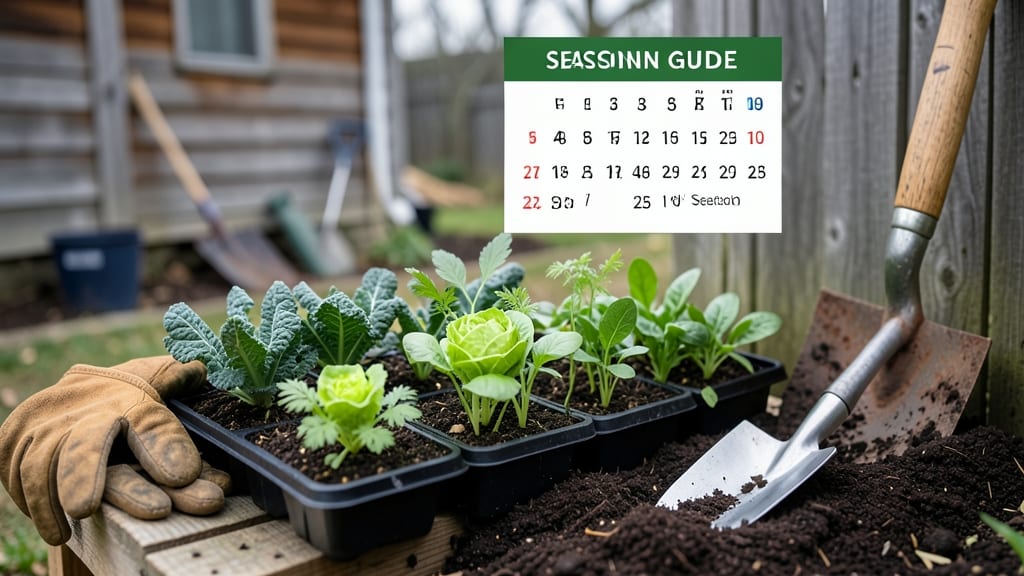
Planting a vegetable garden in Seattle means timing your crops to avoid the last frost on March 15 and the first one in mid-November — a window that rewards patience with a summer of homegrown bounty.
Seattle’s unpredictable weather can make or break your vegetable garden—planting at the wrong time means stunted growth or lost crops, while perfect timing unlocks a bountiful harvest. Here’s your frost-free planting schedule tailored to Seattle’s unique climate zones, from cool coastal areas to warmer inland regions.
Most gardeners in Zone 8a start cool-season crops like lettuce and peas indoors by February, while warm-season favorites such as tomatoes and peppers wait until after Memorial Day to avoid frost damage. The key? Knowing when to start seeds and when to transplant for maximum success.
Below, I break down the best planting windows by crop type, including succession planting tips and how to extend your harvest with row covers. Whether you’re a beginner or a seasoned gardener, this guide will help you grow a thriving 🌱 vegetable garden all season long.
Seattle’s frost-free planting zones: when to start seeds indoors vs. outdoors
Seattle’s USDA Zones 7b-9a create a unique gardening puzzle—cool coastal breezes clash with warmer inland pockets, making timing everything. The average last frost date hovers around March 15, but microclimates can shift this by 2-3 weeks.
Inland areas like Redmond (Zone 9a) may see frost-free conditions by March 1, while West Seattle (Zone 7b) might linger until April 1. Understanding these zones helps you avoid frost damage to warm-season crops or bolting greens from early heat.
For indoor seed starting, I begin 4-8 weeks before transplanting, depending on the crop. Cold-hardy greens like kale and spinach can handle direct sowing in early March, while tomatoes and peppers need warm indoor conditions starting in February.
The key is matching your seedling maturity with Seattle’s frost-free window, which typically runs from late April to October.
| Crop | Indoor Start Date | Outdoor Transplant Date | Direct Sow Date | Notes |
|---|---|---|---|---|
| Lettuce | March 1 | March 15 (hardy) | March 1 - Sept 1 | Succession plant every 2 weeks |
| Spinach | February 15 | March 1 (cold-tolerant) | March 1 - April 30 | Bolt-resistant varieties for summer |
| Kale | February 1 | March 1 (hardy) | February 1 - Sept 15 | Sweetens after frost |
| Tomatoes | February 15 | May 15 (after last frost) | N/A (transplant only) | Use row covers for early starts |
| Peppers | March 1 | May 20 (warm soil) | N/A (transplant only) | Need 80°F+ soil to thrive |
| Cucumbers | March 15 | May 10 (warm soil) | N/A (transplant or direct) | Trellis for space-saving |
| Carrots | N/A (direct sow) | March 15 - Sept 1 | March 1 - April 30, Sept 1 | Loose soil prevents forking |
| Beans | N/A (direct sow) | May 15 (warm soil) | May 15 - July 1 | Succession plant every 3 weeks |
| Broccoli | February 15 | March 15 (hardy) | March 1 - April 30 | Harvest before bolting |
| Basil | March 1 | May 10 (after frost) | N/A (transplant only) | Heat-loving; avoid frost |
| Peas | N/A (direct sow) | March 1 - April 30 | March 1 - April 30 | Trellis for vertical growth |