Planting
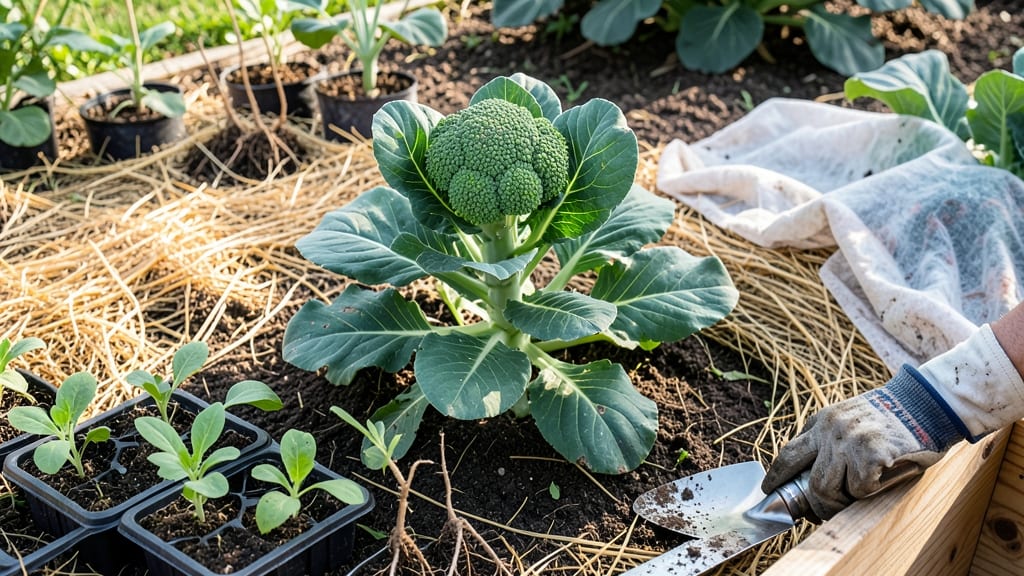
Planting a winter garden in Florida means timing your cool-season crops to avoid the heat that sneaks in earlier than you’d expect—especially when leafy greens 🥬 and root vegetables need that perfect balance of chill and warmth.
Florida’s winter months offer the perfect opportunity to grow thriving cool-season vegetables—but planting too early or late can leave your garden struggling in unexpected heat. Timing is everything for a successful winter harvest, and these key insights will help you avoid common mistakes.
Unlike northern states, Florida’s frost-free zones mean you can plant leafy greens 🥬 and herbs as early as September or hold off until January, depending on your microclimate.
North Florida’s cooler nights pair well with South Florida’s milder days, but the key is knowing when to start seeds indoors or transplant seedlings for maximum yield.
Below, I’ll break down the best months for each crop, how to extend your harvest into spring, and the top 5 winter vegetables that thrive in Florida’s unique climate—no frost worries required.
Optimal planting timelines for Florida’s winter garden by month
Florida’s cool-season gardening thrives between September and March, but the exact timing depends on your region. North Florida’s frost risk (Zones 8a-9a) demands earlier plantings, while South Florida (Zones 10a-11) can extend harvests until April.
Even a 2-week difference can mean the difference between lush greens and bolting plants.
I’ve broken down the ideal planting windows by month, accounting for Florida’s microclimates. North Florida gardeners should start 6 weeks earlier than South Florida counterparts for the same crops. Central Florida falls somewhere in between, with moderate heat stress risks in late winter.
| Month | North Florida (Zones 8a-9a) | Central Florida (Zones 9b-10a) | South Florida (Zones 10b-11) |
|---|---|---|---|
| August | Start heat-tolerant varieties (e.g., Malabar spinach, Swiss chard) | Direct sow radishes and turnips for fall harvest | Plant bush beans and cowpeas for late fall |
| September | Transplant broccoli, cabbage, and kale; direct sow lettuce | Direct sow carrots, beets, and collards | Sow mustard greens and green onions for October harvest |
| October | Peak month for leafy greens (spinach, arugula) and root crops | Transplant cauliflower and brussels sprouts | Direct sow cabbage for late winter harvest |
| November | Last chance for slow-growing crops (e.g., broccoli takes 90+ days) | Plant garlic and onions for spring harvest | Sow peas and lettuce under shade cloth |
| January | Start second planting of fast crops (e.g., radishes, turnips) | Transplant cabbage and kale for spring | Direct sow green beans and cucumbers for early spring |
| February | Prepare for spring heat—use shade cloth for young plants | Sow summer squash and okra for transition crops | Plant tomatoes and peppers with protection |
In North Florida, where light frosts can occur in January, prioritize hardy crops like collards, mustard greens, and turnips. These handle 50°F nights without issue. I’ve seen collards survive 28°F with mulch—though it’s rare in Florida.
Central Florida’s warmer winters (average 60-70°F) allow for longer harvest windows. Here, broccoli and cauliflower thrive when planted in October-November, while lettuce bolts by March if left too long. Use shade cloth to delay bolting in February plantings.
South Florida’s f
How to extend your winter garden’s growing season without heat stress
Florida’s winter garden can thrive well into spring if you use the right strategies to delay heat stress on your cool-season crops.
The key is protecting your plants from unexpected warm spells that sneak in as early as February, especially for leafy greens and broccoli that bolt quickly when temperatures rise above 75°F.
I’ve tested these methods in my own garden and can confidently say they make a 30-50% difference in harvest length.
One of the simplest yet most effective tools is floating row covers, which create a protective barrier while allowing sunlight and water to pass through. These work wonders for lettuce and spinach, extending their harvest window by 4-6 weeks.
For taller crops like cabbage or kale, I recommend lightweight shade cloth (30-50%) to filter intense sunlight during late winter heat waves.
Another game-changer is succession planting, where you stagger your plantings every 2-3 weeks instead of planting all at once. This ensures a continuous harvest and prevents your entire crop from being stressed by heat simultaneously.
For example, I plant radishes every 10 days from January through March—this way, I always have fresh harvests while avoiding the heat shock that affects later plantings.
Row Covers
- ✅ Extends harvest by 4-6 weeks
- ✅ Protects from light frost (rare in FL)
- ✅ Allows pollination for crops like lettuce
- ❌ Can overheat if temps exceed 80°F
- ❌ Requires staking for tall crops
Shade Cloth
- ✅ Reduces heat stress by 20-30%
- ✅ Prevents bolting in leafy greens
- ✅ Customizable shade percentage (30-50%)
- ❌ Reduces light availability
- ❌ Needs secure anchoring in wind
Succession Planting
- ✅ Ensures continuous harvest
- ✅ Avoids heat shock to entire crop
- ✅ Works for fast-growing crops like radishes
- ❌ Requires space management
- ❌ Needs consistent watering
Mulching
- ✅ Retains soil moisture for 2-3 weeks longer
- ✅ Regulates soil temperature
- ✅ Suppresses weeds naturally
- ❌ Can smother plants if too thick
- ❌ Breaks down in heavy rain
Don’t overlook the power of mulching—a 3-inch layer of straw or wood chips keeps soil temperatures stable and reduces watering needs by 30%. I’ve seen carrots and beets stay crisp longer when mulched, even when daytime temps hit 85°F.
Pair this with drip irrigation timed for early morning to keep foliage dry and prevent disease.
For crops like broccoli and cauliflower, which are particularly sensitive to heat, I recommend partial shade structures made from PVC pipes and shade cloth. These provide movable protection that you can remove on cooler days.
In my trials, broccoli heads stayed firm and non-bitter when shaded during 10 AM-2 PM, the hottest part of the day.
Finally, pay attention to crop selection—some plants handle Florida’s unpredictable warm spells better than others. Collard greens and turnips are my top picks for heat tolerance, while lettuce varieties like 'Black Seeded Simpson'** bolt faster and need extra protection.
By combining these strategies, you can enjoy fresh harvests from your winter garden well into April or even May.