Planting
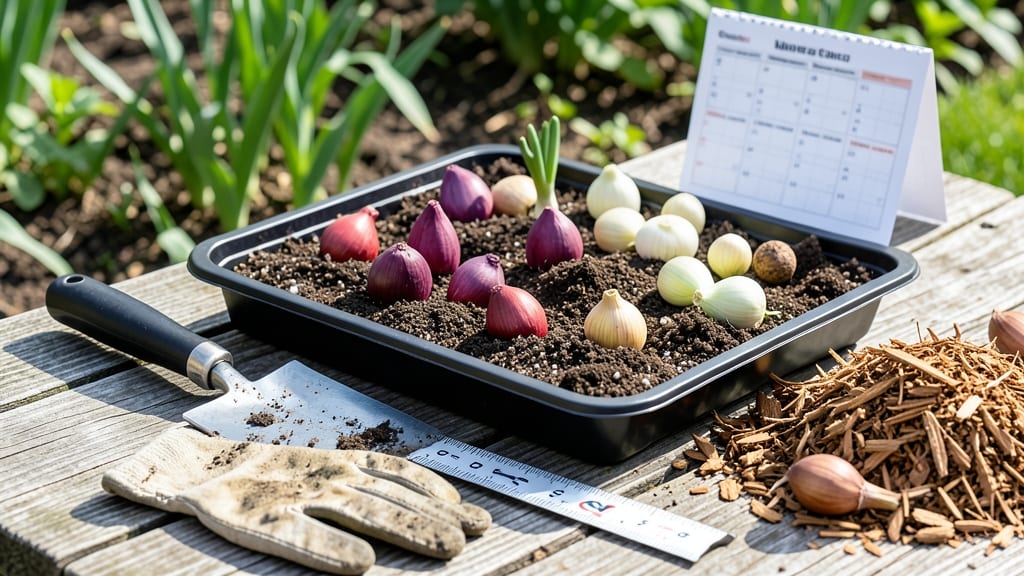
Planting bulbs in your garden at the right time ensures vibrant blooms next season — and missing the window can mean waiting another year for that showstopper display.
I’ve dug up more than a few frozen bulbs because I planted too late, or missed the spring window entirely. The key isn’t just the calendar; it’s your hardiness zone, frost dates, and even the type of bulb you’re growing.
Fall-planted bulbs like tulips and daffodils need 6-8 weeks before the ground freezes, while spring varieties like cannas wait until after the last frost. Below, I’ll break down the exact months for your zone, plus how to adjust for early/late frosts or unusual weather.
You’ll leave here with a clear planting schedule, soil prep tips, and even a frost-date calculator to nail the timing — no more guessing games.
Frost-date planting rules for bulbs by USDA hardiness zone
Getting your bulb planting timing right depends on your USDA hardiness zone and the first frost date in your area. Planting too early or late can lead to winter rot or missed blooms—so let’s break down the exact frost-date rules for tulips, daffodils, hyacinths, and other popular bulbs by zone.
Most spring-flowering bulbs need to be planted in fall (6-8 weeks before the ground freezes) to establish roots before winter. However, some varieties, like dahlias or cannas, prefer spring planting in warmer zones. Below, we’ll map out the best planting windows based on your zone and local frost dates.
Pro Tip: Use your average first frost date (find it via the USDA Plant Hardiness Zone Map) to calculate your ideal planting window. For example, if your first frost is November 15, aim to plant by September 20 for most bulbs.
| USDA Zone | First Frost Date | Fall Planting Window | Spring Planting Window | Best Bulbs for Fall | Best Bulbs for Spring |
|---|---|---|---|---|---|
| Zones 3-4 (Coldest) | Mid-October | September 15–October 15 | April 15–May 1 | Tulips, Daffodils, Hyacinths, Crocuses | Dahlias, Gladiolus, Caladiums |
| Zones 5-6 (Temperate) | Mid-November | October 1–November 15 | March 15–April 15 | Tulips, Alliums, Snowdrops, Muscari | Canna Lilies, Begonias, Elephant Ears |
| Zones 7-8 (Mild Winters) | December 1 | November 1–December 15 | February 15–March 30 | Daffodils, Hyacinths, Fritillaries, Iris | Dahlias, Callas, Crocosmia |
| Zones 9-10 (Minimal Frost) | January 1 (or none) | December 1–January 15 (or spring) | January 15–March 15 | Daffodils, Rain Lilies, Cyclamen | All bulbs (no fall risk) |
Adjust dates 1-2 weeks earlier for high-altitude areas or later for coastal/microclimates.
In Zones 3-4, where winters are harsh, focus on fall planting for tulips and daffodils—these bulbs need 6-8 weeks of root growth before the ground freezes. Plant too late, and they’ll rot. Spring planting is limited to tender bulbs like dahlias, which can’t survive winter.
For Zones 5-6, you have a slightly longer window, but don’t wait too long. Tulips planted after November 15 risk heaving (popping out of the ground) due to freeze-thaw cycles. Daffodils, however, are more forgiving and can handle later planting.
In warmer zones (7-10), you can plant bulbs in late fall or even early spring. For example, in Zone 9, you might plant daffodils in December or wait until February for tulips. Just avoid planting when the soil is waterlogged or too hot.
Key Exception: Spring-blooming bulbs like snowdrops or winter aconites can be planted in fall or early winter (even in snow) because they bloom before the first frost. These are perfect for Zones 4-7 where early snow isn’t a concern.
If you’re unsure about your frost date, check your local cooperative extension service or use a frost-date calculator. For example, in Chicago (Zone 5b), the average first frost is October 22, so aim to plant tulips by September 15.
In Los Angeles (Zone 10a), you can plant bulbs year-round!
Remember, well-draining soil is critical—bulbs rot in soggy conditions. Amend heavy clay with compost or sand before planting. And always water deeply after planting to encourage root growth before winter sets in.
By following these frost-date rules, you’ll ensure your bulbs bloom vibrantly next spring—no more guessing or wasted money on bulbs that won’t thrive. Happy planting! 🌷
Best bulbs to plant in fall vs. spring (with exact months)
Choosing the right planting season for your bulbs can make or break your garden’s spring show. Fall-planted bulbs like tulips and daffodils need a cold period to bloom, while spring-planted bulbs like dahlias thrive in warmer soil.
Let’s break down the exact months for each type, including regional adjustments for early frosts or mild winters.
For USDA Zones 3-7, most spring-blooming bulbs should go in the ground 6-8 weeks before the first hard frost. In Zones 8-10, where winters are milder, you can plant as late as December or even early January for some varieties.
Spring planting is ideal for tender bulbs that can’t survive frost, like cannas and gladiolus.
In coastal or high-altitude regions, adjust planting times by 2-4 weeks later. For example, in Zone 9, plant tulips in December instead of October to avoid winter rains. Always check your local frost dates—a quick online search for your ZIP code will give you precise timing.
Pro tip: Use a soil thermometer to confirm soil temps are below 60°F for fall planting or above 60°F for spring planting. This ensures bulbs establish roots before extreme weather hits. Mulch after planting to protect fall-planted bulbs from freezing and thawing cycles.
If you’re in a transitional zone (like Zone 7b), consider layered planting: tuck spring-planted bulbs like caladiums near fall-planted daffodils for a year-round display. Just remember—spring bulbs need warmth, while fall bulbs need chill!
Don’t let the wrong planting season ruin your garden dreams. With these exact month guidelines, you’ll have bold blooms from early spring through late summer—no guesswork required! 🌷