Planting
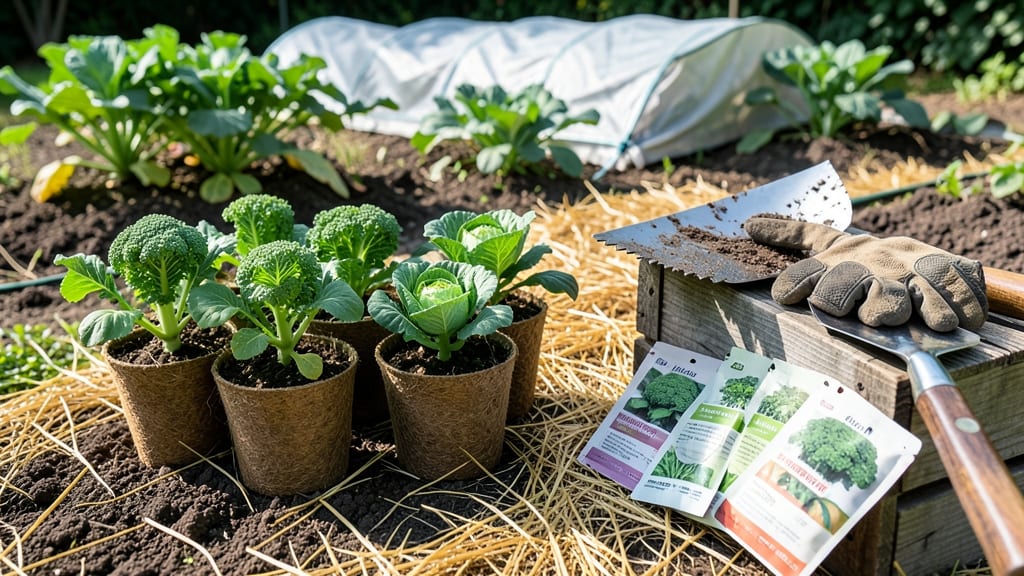
Planting a fall garden in Alabama starts about 8 to 12 weeks before your first frost—usually mid-July to early August for most of the state.
Alabama’s warm climate allows for a thriving fall garden—but timing is everything. Plant too early, and your crops will bolt; too late, and frost ruins your harvest. Here’s the exact schedule you need to maximize your fall garden’s potential.
Whether you’re growing leafy greens, root vegetables, or cool-season herbs, Alabama’s USDA Zones 7a-8b mean you’ve got a narrow window to get seeds in the ground. Miss it, and you’ll be left with stunted plants or a harvest cut short by early freezes.
Below, I break down the perfect planting dates by crop type, soil prep tips for Alabama’s heavy clay, and how to stretch your harvest well into winter—without the guesswork.
Fall planting calendar for Alabama: exact dates by crop type
Alabama’s fall planting season runs from early August through November, but exact timing depends on your USDA Zone (7a-8b) and whether you're in North or South Alabama. The average first frost date ranges from late October in the north to mid-November in the south, so adjust these dates accordingly.
For cool-season crops, start seeds indoors 4-6 weeks before transplanting to avoid summer heat stress.
In North Alabama (Zone 7a), where frosts arrive earlier, focus on transplanting seedlings by mid-August for crops like broccoli and kale. Meanwhile, South Alabama (Zone 8b) gardeners can extend planting until late September for warm-season crops like spinach and carrots.
Use this calendar as your guide to avoid common mistakes like overcrowding seedlings or planting too late for harvest before frost.
🌱
For warm-season crops like turnips and collards, you can push the envelope in South Alabama by planting as late as early October. These crops handle light frosts (28°F) better than most, making them ideal for extending your harvest.
Always test your soil pH (aim for 6.0–7.0) and amend with compost before planting to ensure nutrient availability during cooler months.
If you’re in North Alabama, prioritize fast-maturing varieties (60 days or less) to avoid frost damage. For example, 'Early Wonder' peas mature in just 55 days, giving you time for two harvests before frost.
In South Alabama, you can afford slightly slower varieties like 'Southern Curved' collards, which handle cooler temps well and even sweeten after frost.
🌿
Don’t forget to mulch heavily (3–4 inches of straw) to protect roots from temperature swings. In Zone 7a, apply mulch by mid-September, while Zone 8b gardeners can wait until early October.
This simple step can extend harvest by 2–3 weeks by insulating soil and retaining moisture. Pair mulching with drip irrigation to avoid fungal diseases from overhead watering.
For herbs like parsley and dill, direct sow seeds in late August for a fall harvest. These biennial herbs actually taste sweeter after frost, making them perfect for Alabama’s fall climate.
If you’re growing cilantro, be prepared to succession plant every 3 weeks—it bolts quickly in warm soil but thrives in cooler fall temps.
🪴
Use row covers
How to adjust planting dates based on Alabama’s frost risk zones
Alabama’s USDA Plant Hardiness Zones 7a-8b create distinct frost risks across the state, with northern regions (like Huntsville) experiencing earlier freezes than southern areas (like Mobile). Understanding these zones helps you adjust planting dates to avoid heat stress in summer crops or frost damage in fall plantings.
For most of Alabama, the average first frost date falls between November 15 and December 15, depending on elevation and location. In Zone 7a (north Alabama), frosts can arrive as early as October 30, while Zone 8b (south Alabama) often sees frost-free conditions until December 20 or later.
Use these frost dates as your backward count for planting. Most cool-season crops need 60-90 days to mature, so start seeds or transplant seedlings 8-12 weeks before frost.
For example, if frost hits November 15 in your area, plant leafy greens by September 15 and root vegetables by August 15.
⚠️ callout-warningPlanting warm-season crops (like tomatoes) after July 15 risks heat stress and poor yields. Conversely, planting cool-season crops (like broccoli) after September 1 in northern Alabama can lead to frost damage before harvest.
Use Alabama Cooperative Extension’s frost maps to verify local dates. Adjust by 1-2 weeks earlier in high-elevation areas (e.g., Appalachian foothills) and 1-2 weeks later in coastal regions.
Pro tip: Monitor weekly frost forecasts in October—early cold snaps can arrive 2-3 weeks sooner than average.
To fine-tune your schedule, divide Alabama into three frost-risk regions: 1. North Alabama (Zone 7a): Plant cool-season crops by August 15 for harvest before frost. 2. Central Alabama (Zone 7b): Aim for August 30-September 15 planting. 3. South Alabama (Zone 8a-8b): Extend planting until September 30-October 15.
For successive planting, use short-season varieties (e.g., bush beans or radishes) every 2-3 weeks until 6 weeks before frost. This stretches your harvest and maximizes garden space. For example, sow spinach on August 1, August 15, and September 1 in northern Alabama for continuous harvests.
Extend your fall garden further by covering crops with row fabric or using cold frames to protect tender plants like lettuce or kale through light frosts (28-32°F). In Zone 8b, you can even grow overwintering crops like garlic or onions for early spring harvests.