Planting
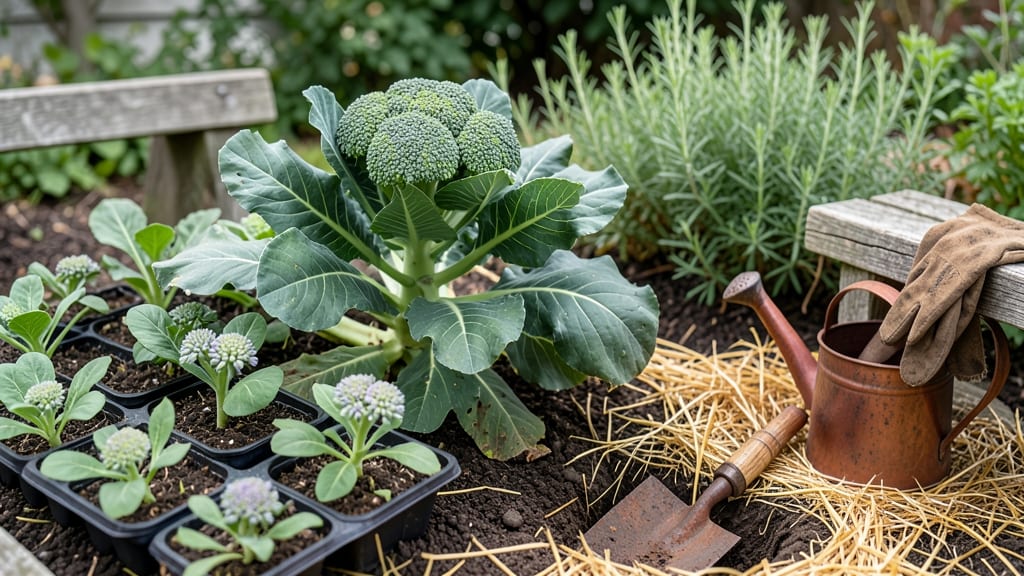
Planting a fall garden in South Texas means beating the heat to grow cool-season crops like leafy greens and root vegetables before the first frost—typically by late October.
South Texas’s brutal summer heat can make fall gardening a high-stakes game—but timing your plantings just right means avoiding wilting failures and harvesting bumper crops by Thanksgiving. Here’s your exact week-by-week guide to beat the heat and plant a thriving 🌱 garden.
Most South Texas gardeners wait until mid-August to early September to start transplanting heat-tolerant varieties like kale, collards, and carrots, when soil temps drop below 90°F. Seeds, however, can go in a few weeks earlier if you’re prepared to protect them from afternoon sun.
Below, I break down the exact planting windows by crop, soil prep tips for the region, and how to adjust for microclimates—so you can avoid common mistakes and enjoy a harvest straight through December.
South Texas fall planting calendar: exact weeks to start heat-tolerant crops
South Texas’s fall planting window is your golden opportunity to grow heat-tolerant crops before winter sets in. Unlike northern gardens, we don’t have to worry about early frosts—just 90°F+ soil temperatures that can stress seedlings if planted too early.
The key? Start 6-8 weeks before December 15, when the first frost might arrive, and focus on crops that thrive in USDA Zones 9a-10a.
Your ideal planting timeline begins in late July for heat-loving crops like okra and sweet potatoes, then shifts to leafy greens and root vegetables in September. Transplanting too early risks bolting or wilting, while waiting too long cuts harvest time. Here’s your week-by-week breakdown to maximize yields.
🌱 Visual Guide: South Texas Fall Planting Calendar
For tomatoes and peppers, the best transplanting window is late August to early September when soil temps drop below 85°F.
Start seeds indoors in mid-July for a head start, or buy heat-tolerant varieties like ‘Celebrity’ tomatoes or ‘Jalapeño M’ peppers, which handle South Texas’s late-summer heat better than standard types.
Leafy greens like kale and collards are your fall workhorses—they thrive in cooler temps but can handle light frosts. Plant Troy collards or Vates kale in late August for a harvest that lasts through December.
These varieties are bred to bolt-resistant and heat-tolerant, making them perfect for our climate.
Root crops like carrots and beets need loose, well-draining soil to avoid forked roots. Sow seeds in September for a harvest by November. Use fine-textured soil or mix in compost to improve texture. Avoid planting too early—hot soil causes uneven germination, leading to patchy growth.
Succession planting is your secret weapon in South Texas. Instead of planting all your radishes or lettuce at once, sow small batches every 2 weeks in September and October.
This ensures a continuous harvest and prevents bolting from heat stress. For example, plant 50 radish seeds every 14 days—you’ll have fresh radishes for 6+ weeks.
Don’t forget mulching! Apply a 2-3 inch layer of straw or wood chips after planting to retain moisture and regulate soil temperature. In South Texas, mulch helps cool roots during September’s 90°F+ days while preventing soil erosion from our occasional heavy rains.
It also suppresses weeds, reducing competition for nutrients.
If you’re container gardening, adjust your timeline by 2 weeks earlier—pots heat up faster and dry out quicker. Use self-watering containers or bury pots halfway in the ground to stabilize temps. Heat-tolerant varieties
How to extend your fall harvest: 5 pro tips for South Texas gardeners
South Texas’s long growing season gives us a golden opportunity to harvest well into December—but only if we use the right strategies. The key to extending your fall harvest lies in heat-tolerant varieties, protective covers, and smart soil management.
Unlike northern gardeners, we don’t have to worry about frost until late December, so we can push our plants longer with the right techniques.
One of my favorite tricks is using floating row covers to protect tender crops from unexpected cold snaps. These lightweight fabrics allow sunlight and water through while shielding plants from 20-30°F drops—perfect for South Texas’s unpredictable December weather.
I’ve seen kale and collards thrive under covers when temperatures dip below 40°F, extending harvests by 3-4 weeks.
Here’s my battle-tested list of five strategies to maximize your fall garden’s potential in South Texas:
Choose Southern Exposure or Texas Superstar varieties like 'Vates' collards, 'Black Spanish' radishes, and 'Red Malabar' spinach. These varieties handle 90°F+ soil temps better than standard cool-season crops.
Deploy lightweight fabric covers when night temps drop below 45°F. Secure edges with bricks or soil to prevent wind damage. Works for leafy greens, brassicas, and root crops.
Sow fast-growing crops like radishes and turnips every 2 weeks from August through October. This ensures continuous harvests while slower growers (like broccoli) mature.
South Texas soils often lack organic matter. Mix in 2-3 inches of compost before planting to improve moisture retention and nutrient availability. Aim for 10-20% organic content in your top 6 inches.
Apply 3-4 inches of straw mulch around plants to moderate soil temps. This keeps roots 5-10°F warmer than ambient air, protecting crops from early cold snaps in November.
Don’t forget to monitor your garden’s microclimate. A north-facing bed stays cooler than a south-facing one, so adjust planting dates accordingly. For example, I plant spinach and lettuce in north-facing beds 2 weeks earlier than in south-facing areas to avoid bolting.
With these strategies, I’ve successfully harvested collard greens in December and carrots through January—long after most Texas gardeners have packed up their tools. The secret? Treating fall like an extension of summer with the right heat management techniques. 🌿