Planting
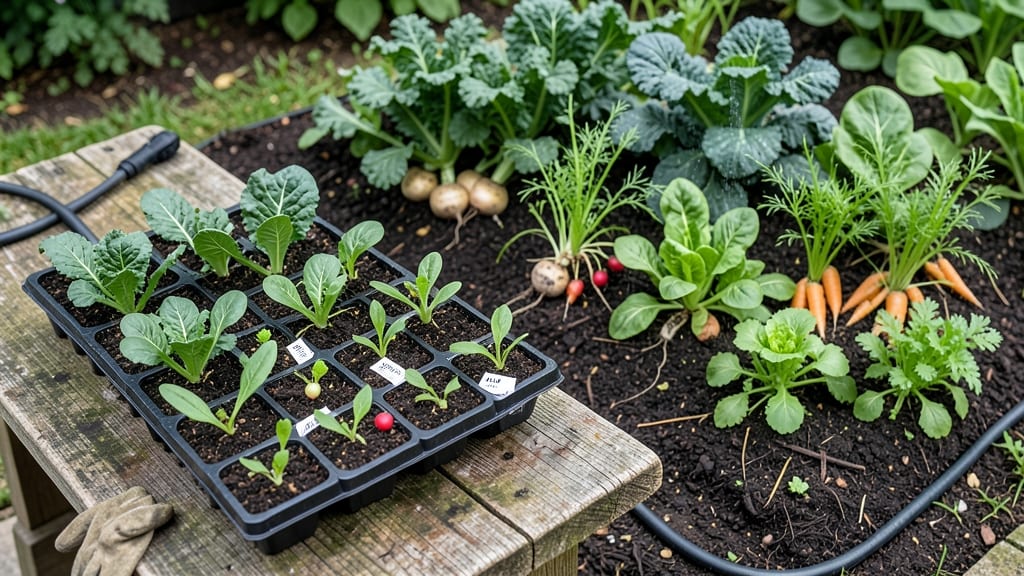
Planting a fall garden in Mississippi means timing your crops to beat the first frost while avoiding the summer heat—aim for late summer to early fall for the best results.
Mississippi’s warm climate can throw off even experienced gardeners. One week too early and your greens bolt in the heat; one week too late and frost ruins your harvest. The key is knowing exact planting windows for each crop, down to the week.
Whether you’re growing heat-tolerant collards or delicate lettuce, this guide breaks down the ideal dates by Mississippi’s USDA Zones 7-8, plus how to adjust for microclimates like the Delta vs. the hills.
You’ll learn which crops to plant first, how to prep your soil for cooler weather, and even how row covers can add extra weeks to your growing season—so you’re harvesting well into November.
Mississippi fall planting calendar: exact dates by crop type
Mississippi's fall garden thrives when planted at the right time, balancing heat tolerance and cool-season needs. Northern MS (Zone 7) has earlier frost dates than Southern MS (Zone 8), so timing varies. Start with heat-loving crops in late summer, then transition to cool-season varieties as temperatures drop.
For North Mississippi, aim to plant heat-tolerant varieties like okra and sweet potatoes by July 15, while cool-season crops like broccoli and spinach should go in by September 1. Southern MS gardeners can extend planting into early October for most crops due to milder winters.
Here’s your Mississippi Fall Planting Calendar broken down by crop type and region:
For heat-tolerant varieties, start seeds indoors 4-6 weeks before your target planting date to give them a head start. Southern MS gardeners can push planting dates 2-3 weeks later than their Northern counterparts due to warmer soil and air temperatures.
Always check soil temperature before planting—most cool-season crops need soil at 60-70°F for optimal germination. Use a soil thermometer to avoid delays, especially in North Mississippi where nights cool faster.
Succession planting is key in fall. After harvesting early crops like radishes or lettuce, replant with spinach or kale for a late-season harvest. This extends your garden’s productivity well into November or December, depending on your zone.
Protect tender plants with row covers or lightweight mulch as temperatures dip. In North Mississippi, expect first frost around November 15, while Southern MS may see frost as late as December 15. Plan accordingly to avoid losing your investment.
Don’t forget to amend your soil before planting. Mississippi’s clay-heavy soils benefit from compost or aged manure to improve drainage and nutrient availability. Aim for a pH of 6.0-7.0 for most vegetables and herbs.
If you’re new to fall gardening, start small with easy-to-grow crops like bush beans or radishes. These varieties mature quickly and are forgiving of minor timing mistakes, making them perfect for beginners.
For herbs like cilantro, direct sow seeds in late summer to avoid bolting. Thin seedlings to 6-12 inches apart for optimal growth. Harvest leaves regularly to encourage bushier plants and extend the harvest window.
Mississippi’s fall garden can be just as productive as spring—if you time it right. Use this calendar as your guide, and don’t hesitate to experiment with local heirloom varieties for even better results. Happy planting! 🌱
How to adjust planting dates for Mississippi’s microclimates
Mississippi’s diverse geography means your planting dates can vary dramatically even within the same county. Northern regions like Tunica (Zone 7b) often experience earlier frosts than southern areas like Biloxi (Zone 8a), sometimes by 2-3 weeks.
Elevation changes of just 100 feet can create microclimates where frost forms in valleys but spares nearby hills.
To pinpoint your exact window, check your last-frost averages from the Mississippi State Extension. For example, Jackson typically sees its final frost around March 15 but can have light freezes as late as April 10.
Meanwhile, Gulf Coast areas might avoid frost entirely until November 15. Always plant 6-8 weeks before your first expected frost for a full harvest.
⚠️
Pro Tip: Test soil temps with a soil thermometer—60-65°F is ideal for cool-season starts.
Soil temperature is your best indicator for fall planting. Use a soil thermometer to check depths of 2-4 inches. For leafy greens, aim for 50-60°F; root crops like carrots prefer 55-65°F.
If temps hover above 70°F, delay planting or choose heat-tolerant varieties like 'Heat-Tolerant' collards or 'Malabar' spinach.
Row covers and cold frames can shift your planting window by 4-6 weeks in Zone 7 areas. Lightweight frost cloth raises temps by 5-10°F and protects against light frosts. For hardier crops like kale or broccoli, remove covers during the day to prevent overheating.
In southern Mississippi, these tools let you plant early fall crops as soon as late July.
Don’t overlook wind exposure—open fields cool faster than sheltered spots. Plant windbreak rows of tall crops like sunflowers or corn to protect delicate seedlings. In Delta regions, where humidity lingers, space plants 10-15% wider to improve airflow and reduce fungal diseases like downy mildew.
For real-time adjustments, follow local weather alerts from the National Weather Service. Their frost prediction maps update daily and account for radiation inversions—common in Mississippi’s valleys—that trap cold air. Bookmark their Mississippi-specific forecasts to stay ahead of unexpected freezes.