Planting
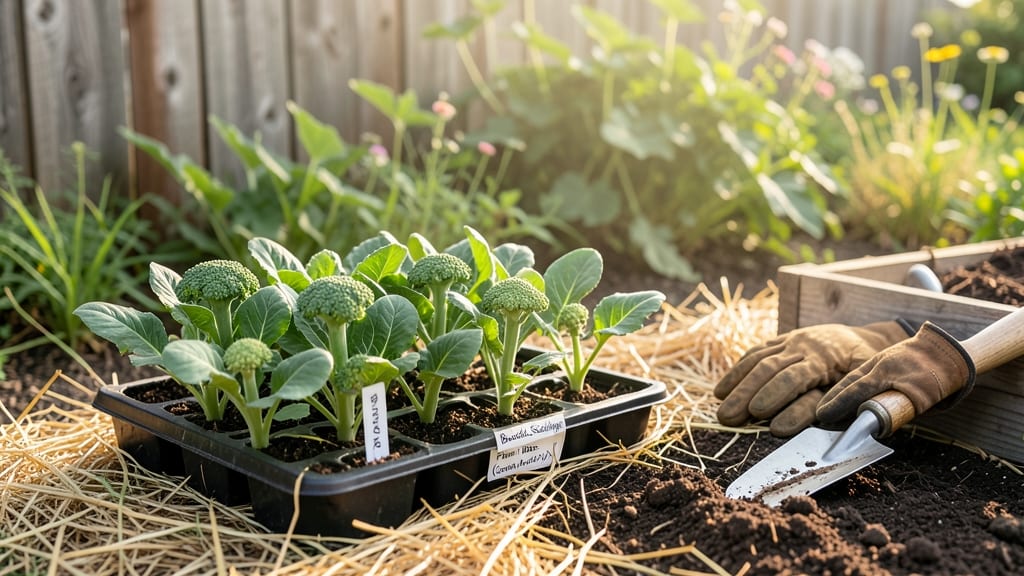
To plant a fall garden in Texas, start between mid-August and mid-October in North Texas or September to November in Central/South Texas, depending on your zone and crop type.
Texas gardeners know timing is everything—plant too early, and your fall crops will bolt in the heat; too late, and frost will ruin your harvest. But with the right deadlines, you can enjoy crisp greens, sweet potatoes, and homegrown herbs straight from your Texas soil.
This isn’t just about avoiding frost; it’s about matching your 🌱 Fall Garden Vegetables (General Texas) to the 8a-10b (varies regionally) climate. Some crops, like kale and broccoli, thrive in cooler temps, while others, like carrots and radishes, need a head start before winter sets in.
Below, I’ll break down the exact planting windows by zone, the best crops for your area, and how to prep your soil so your fall garden doesn’t just survive—it thrives.
Texas fall planting deadlines by hardiness Zone (exact dates for success)
Texas' diverse climate means your fall planting deadlines depend heavily on your hardiness zone. In Zone 8a (North Texas), you have a tight window between late summer heat and early frost, while Zone 11 (Deep South) enjoys milder conditions until December.
Miss these deadlines, and your cool-season crops will either bolt in the heat or freeze before harvest.
For most Texas gardeners, the ideal fall planting window starts in mid-August for North Texas and stretches until mid-November for South Texas. But exact dates vary by crop type and heat tolerance.
Fast-maturing greens like radishes or bok choy can handle late starts, while broccoli or Brussels sprouts need early planting to mature before frost.
Here’s how to align your planting with Texas’ microclimates—because a 50-mile difference can mean weeks of variation in your first frost date.
| Zone | First Frost Date | Last Planting Deadline (Cool-Season Crops) | Heat-Tolerant Crops (Late Planting) | Example Crops for Zone |
|---|---|---|---|---|
| 8a (North Texas: Amarillo, Lubbock) | November 15 | August 15–September 15 | September 20–October 10 | Kale, Carrots, Spinach, Radishes, Broccoli |
| 8b (Central Texas: Waco, San Antonio) | November 30 | August 20–October 1 | October 10–November 1 | Swiss Chard, Collards, Turnips, Lettuce, Peas |
| 9a (East Texas: Tyler, Houston) | December 10 | September 1–October 15 | October 20–November 15 | Sweet Potatoes, Okra, Mustard Greens, Beets, Cabbage |
| 9b (South Texas: Corpus Christi, Brownsville) | December 25 | September 15–November 1 | November 1–December 10 | Cilantro, Green Onions, Peppers, Eggplant, Winter Squash |
| 10a (Deep South: Rio Grande Valley) | January 5 | September 30–November 15 | November 20–December 20 | Tomatoes, Basil, Cucumbers, Malabar Spinach, Herbs |
| 11 (Far South: Brownsville, Lower Rio Grande) | Never (or rare light frost) | October 1–December 15 | December 20–January 15 | Winter Melons, Collard Greens, Okra, Peppers, Herbs |
*Deadlines are approximate—adjust for local microclimates (e.g., hilltops freeze earlier).
Notice how Zone 8a gardeners must plant cool-season crops by mid-September to avoid frost, while Zone 11 can still sow winter greens in December. This variance is why heat-tolerant varieties like Malabar spinach or Swiss chard are lifesavers in hotter zones—they handle late summer heat better than traditional lettuce.
Pro tip: Use shade cloth or drip irrigation to extend your planting window in Zone 8a–9a. Even a 30% shade cloth can lower soil temps by 10°F, buying you 2–3 extra weeks for heat-sensitive crops like spinach or radishes.
For slow-maturing crops like Brussels sprouts or cabbage, start seeds indoors 6–8 weeks before your zone’s last frost date. In Zone 8a, that means early July sowing for a November harvest. Skip this step, and your plants will be stunted by cold snaps.
Texas fall gardens thrive when you pick the right crops—those that handle lingering summer heat while racing to maturity before winter. I’ve ranked these top-performing vegetables by their ability to tolerate Texas heat and their speed to harvest, so you can enjoy fresh produce even as temperatures drop. The key is balancing heat tolerance with fast maturity. For example, collard greens and kale can handle Texas heat better than lettuce, while radishes and bush beans mature quickly enough to avoid frost damage. Let’s dive into the best options for your fall garden. For North Texas gardeners (zones 8a-8b), prioritize planting by mid-September to avoid early frosts. In Central and South Texas (zones 9a-10b), you can push planting into late October for some crops like spinach and mustard greens, which handle cooler temps better. Pro tip: Mulch heavily with straw or leaves to protect roots from temperature swings. This keeps soil consistently cool and moist, which is critical for fall crops struggling with Texas’ unpredictable weather patterns. By choosing these heat-tolerant, fast-maturing vegetables, you’ll enjoy a bountiful fall harvest—even in the Lone Star State’s toughest growing conditions. Happy planting! 🌱Best fall vegetables to plant in Texas (ranked by heat tolerance and speed)