Planting
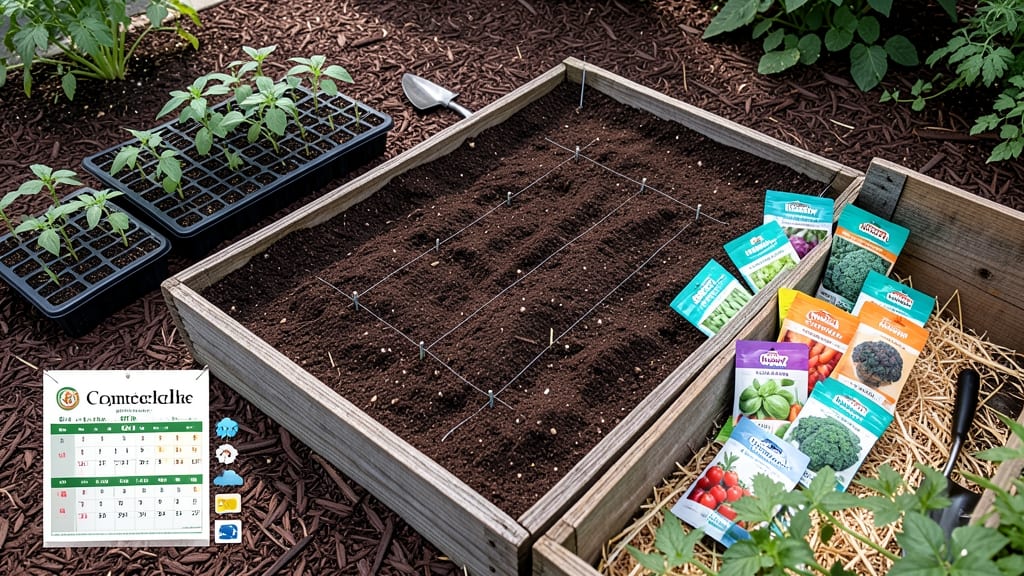
Planting your garden in Connecticut at the right time means the difference between a thriving harvest and a disappointing flop—especially when frost dates can shift from year to year.
Connecticut’s unpredictable spring weather can turn a gardener’s best-laid plans into a guessing game unless you know the exact windows for your zone. Whether you’re sowing cool-season greens or waiting for the soil to warm up for tomatoes, timing is everything.
In Zone 6a, most gardeners start seeds indoors by early March for spring crops like lettuce and peas, while warm-season plants like basil and peppers wait until after the last frost—typically mid-April—to go in the ground.
Below, I’ll break down the month-by-month planting calendar for Connecticut, including adjustments for coastal areas, urban heat islands, and how to extend your growing season with row covers or cold frames.
Connecticut planting zones: when to start seeds indoors vs. outdoors for each Zone
Connecticut spans USDA Zones 5b through 6b, meaning gardeners here must balance early spring frosts with hot summer heat. The key to success? Knowing when to start seeds indoors versus direct-sowing outdoors—especially for cold-hardy crops like kale and warm-season plants like tomatoes.
One wrong move, and your seedlings could bolt or freeze.
For example, Zone 5b (northern CT) has a last frost date around May 15, while Zone 6b (southern CT) averages May 1. This 2-week difference changes everything—from indoor seed-starting timelines to outdoor transplant windows.
Let’s break it down by zone so you can avoid transplant shock and maximize your harvest.
Notice how Zone 5b gardeners must wait until May 20 to transplant tomatoes outdoors, while Zone 6b can start as early as April 15. This 6-week gap highlights why indoor seed-starting is critical for warm-season crops—delaying too long risks transplant shock or stunted growth.
For cold-hardy crops like peas and spinach, I recommend direct-sowing outdoors 4–6 weeks before your last frost date. These plants thrive in cool soil and can even handle light frosts.
For example, in Zone 6a, I start peas in late March under row covers to protect them from late frosts.
Warm-season plants like tomatoes and peppers need soil temperatures above 60°F to germinate. That’s why I start them indoors 8–10 weeks before transplanting—giving them a head start.
Use a seedling heat mat if your home stays chilly, and keep seedlings under grow lights for 12–14 hours of light daily to prevent leggy growth.
Pro tip: Hardening off seedlings is non-negotiable. Begin 1–2 weeks before transplanting by moving them outdoors for 2–4 hours daily, gradually increasing exposure. Skip this step, and your seedlings will bolt or wilt under Connecticut’s unpredictable spring winds.
If you’re growing herbs like basil or cilantro, timing matters too. Basil, a warm-season herb, should wait until after May 15 in most zones, while cilantro (cool-season) bolts in heat—so plant it in early spring or late summer.
My trick? I sow cilantro every 2 weeks in spring for a staggered harvest.
For fall crops, aim to plant 60–90 days before your first frost (typically October 15). In Zone 5b, that means late June to early August for kale, carrots, and beets.
Use row covers to extend harvests into November, but avoid planting warm-season crops too late—they won’t mature before frost.
Remember: Connecticut’s microclimates can shift planting windows by 1–2 weeks. Urban areas stay warmer, while inland spots may have later frosts. Check your local CT DEEP frost forecast and adjust accordingly.
With these timelines, you’ll avoid the heartbreak of frost-nipped seedlings or bolting greens—and enjoy a garden that thrives all season.
Best month-by-month planting calendar for Connecticut gardens (with frost date safeguards)
Connecticut’s last frost dates can vary by 1-2 weeks between northern and southern regions, making timing critical.
In Zone 6a, the average last frost is April 15, but coastal areas like New Haven may see frost-free soil by April 1, while inland Hartford could wait until May 1.
To safeguard your garden, I recommend using row covers or cold frames for early plantings. These tools can extend your growing season by 3-4 weeks, letting you plant spinach or kale as early as March 15 in protected beds.
For northern CT (e.g., Litchfield), delay warm-season plantings by 1 week due to later frost dates. In southern CT (e.g., New London), you can push the envelope by planting cucumbers as early as April 20 with row covers.
Extend your season further with cold frames or low tunnels. These can keep soil 10-15°F warmer, allowing you to plant lettuce or radishes as late as September 15 for a winter harvest.
Pro tip: Always check the CT Agricultural Experiment Station for real-time frost alerts. Adjust your schedule based on local weather patterns—your neighbor’s frost date might not match yours! 🌱