
Planting
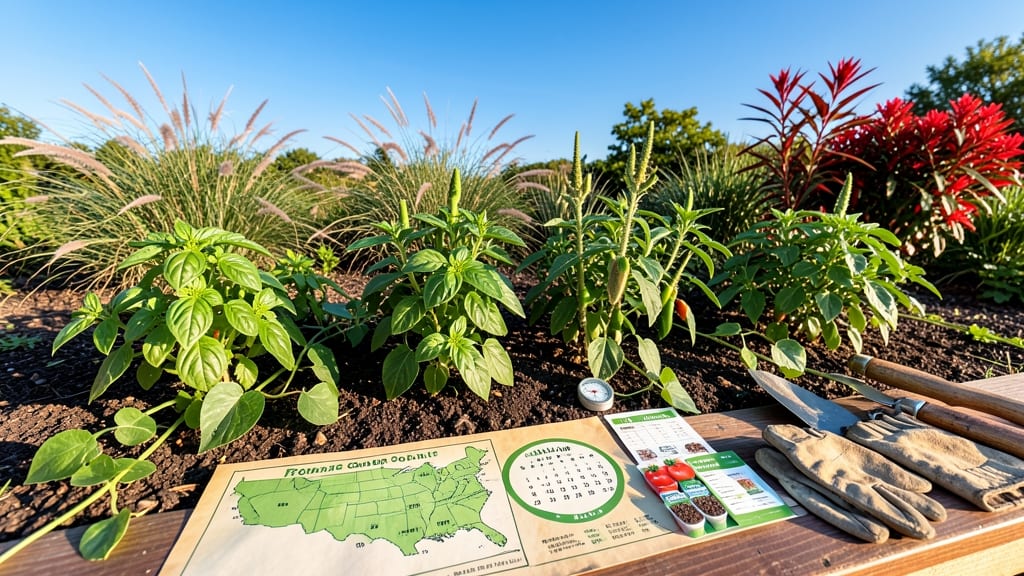
To plant a garden in Florida at the right time means avoiding wilting heat stress or missed harvests—even for heat-loving crops like tomatoes and peppers.
Florida’s year-round growing season might seem endless, but timing still matters. Plant too early in North Florida’s cooler zones, and seedlings bolt in the heat. Plant too late in South Florida, and summer’s brutal sun scorch young leaves before they take root.
Below, I break down the microclimate-specific windows for planting annuals, perennials, and vegetables—from the Panhandle’s Zone 8a to Miami’s Zone 11—plus how to adjust for unpredictable rain, hurricanes, and soil temperature shifts.
You’ll discover the exact months to sow seeds, transplant seedlings, and use succession planting to keep your Florida garden productive year-round without common mistakes.
Florida planting calendar by microclimate: best months for zero-frost vegetables
Florida’s three distinct microclimates—North, Central, and South—create wildly different growing conditions, even within the same state. North Florida’s cooler winters (Zone 8a) allow cool-season crops like broccoli and lettuce, while South Florida’s tropical heat (Zone 11) demands year-round heat-lovers like okra and sweet potatoes.
The key? Timing your plants to avoid summer’s 90°F+ heat stress and winter’s rare (but possible) chills.
Most Florida gardeners focus on spring and fall planting to escape summer’s brutal conditions. Warm-season crops like tomatoes and peppers thrive when soil temps hit 65°F+, while cool-season greens prefer 70°F or below.
Below, I’ll break down the best planting months for each region, including my pro tips for fall planting—the secret to beating the heat.
| Microclimate | Warm-Season Crops (Tomatoes, Peppers, Okra) | Cool-Season Crops (Greens, Carrots, Radishes) | Fall Planting Secret |
|---|---|---|---|
| North Florida (Zone 8a) | March–April (after last frost) | August–September (for winter harvest) | Plant shade cloth over seedlings in July to protect from heat |
| Central Florida (Zone 9a) | April–May (soil temp 65°F+) | September–October (avoid Dec frosts) | Use drip irrigation to keep soil cool for seedlings |
| South Florida (Zone 10a+) | Year-round (but peak: June–August) | September–November (for winter greens) | Plant fast-maturing varieties (e.g., 45-day tomatoes) |
🌱 Pro Tip: All regions benefit from succession planting every 2–3 weeks to extend harvests.
In North Florida, where winters dip into the 40s°F, I recommend starting cool-season crops in late August for a winter harvest. Tomatoes and peppers should go in after March 15, once nighttime temps stay above 55°F.
My trick? Use black plastic mulch to warm soil faster in cool springs.
Central Florida’s Zone 9a offers a longer growing window, but summer heat can still stress seedlings. Fall planting here is critical—start broccoli and cabbage in early September to harvest before December’s rare frosts. I swear by row covers for extra protection during cold snaps.
Down in South Florida, where frost is rare, you can grow tomatoes year-round. But even here, summer’s oppressive heat (often 95°F+) slows growth.
My fall planting hack? Choose heat-tolerant varieties like ‘Celebrity’ tomatoes and ‘Jupiter’ peppers, and plant in September for a winter escape from the heat.
For all regions, soil temperature is more critical than air temperature. Use a soil thermometer—warm-season crops need 65°F+ soil, while cool-season crops thrive at 60–70°F. Raised beds warm up faster in spring, giving you a 2–3 week head start over in-ground planting.
One common mistake I see? Planting cool-season crops too early in South Florida, only to have them bolt to seed from the heat. Instead, wait until September when temps drop slightly. In North Florida, the opposite happens—warm-season crops planted too early get chilled by late frosts.
To maximize your Florida garden, align planting with rainfall patterns. June–September brings heavy rains—ideal for warm-season crops but risky for seedlings. Use elevated beds or containers to prevent waterlogging. And always mulch heavily to retain moisture during summer’s dry spells.
Remember: Florida’s microclimates can vary even miles apart. Check your local frost dates (UF/IFAS has great tools) and adjust accordingly. With the right timing, you can enjoy fresh tomatoes in January or crisp greens in July—no frost required!
How to adjust planting times for Florida’s unpredictable weather patterns
Florida’s weather can shift from sunny skies to torrential rain in hours, and hurricane season throws even the best-laid planting plans into chaos. The key to success is flexibility—knowing how to adjust your planting schedule based on soil temperature, rainfall patterns, and hurricane forecasts.
Unlike northern states, Florida’s microclimates mean what works in Jacksonville might fail in Miami, and vice versa.
Instead of sticking to rigid planting dates, focus on seasonal cues like soil warmth, rainfall trends, and local hurricane alerts. For example, if a June storm delays your spring planting, shift to succession planting in July instead of giving up.
With the right adjustments, you can turn Florida’s unpredictability into an advantage—keeping your garden productive year-round.
Monitor soil temperature with a soil thermometer—warm-season crops like tomatoes need soil at 70°F+, while cool-season greens thrive at 60-68°F. In North Florida, wait until mid-April for warm crops; in South Florida, plant year-round but avoid peak summer heat.
Use succession planting to replace harvested crops—sow bush beans every 2-3 weeks from March to September. This keeps your garden full without overcrowding, and you’ll always have fresh harvests, even if a storm wipes out one batch.
Adjust for hurricane season (June-November) by planting fast-growing crops like radishes or lettuce that mature in 30-40 days. If a storm hits, prioritize protecting seedlings with row covers or move containers to sheltered areas.
Shift planting dates based on rainfall trends. If May brings heavy rains, delay planting until soil dries enough to avoid waterlogged roots. In drought-prone areas, use drip irrigation to keep seedlings moist during dry spells.
Leverage shade cloth to protect seedlings from intense summer sun while still allowing light. For example, use 30% shade cloth in South Florida’s June-August to prevent scorching, then remove it as plants mature.
Another game-changer is container gardening, which lets you move plants indoors or to shaded areas during storms. I’ve used 5-gallon buckets for peppers and hanging baskets for herbs—both can be relocated in minutes if a storm warning hits.
This flexibility is especially useful in Zone 10a+, where summer heat can overwhelm even heat-loving plants.
Don’t forget to track your local frost dates, even in frost-free zones. While South Florida rarely sees frost, a rare January cold snap can damage tender crops like eggplants or tomatoes. Use frost cloth or grow these in containers to move them to safety if needed.
For North Florida gardeners, fall planting (September-October) is your best bet for cool-season crops like broccoli or kale.
Finally, embrace seasonal swaps—when one crop fails due to weather, another can take its place. For example, if cucumbers bolt in the heat, replace them with okra or sweet potatoes, which thrive in Florida’s summer.
With these adjustments, your garden stays productive no matter what Mother Nature throws your way. 🌱