
Planting
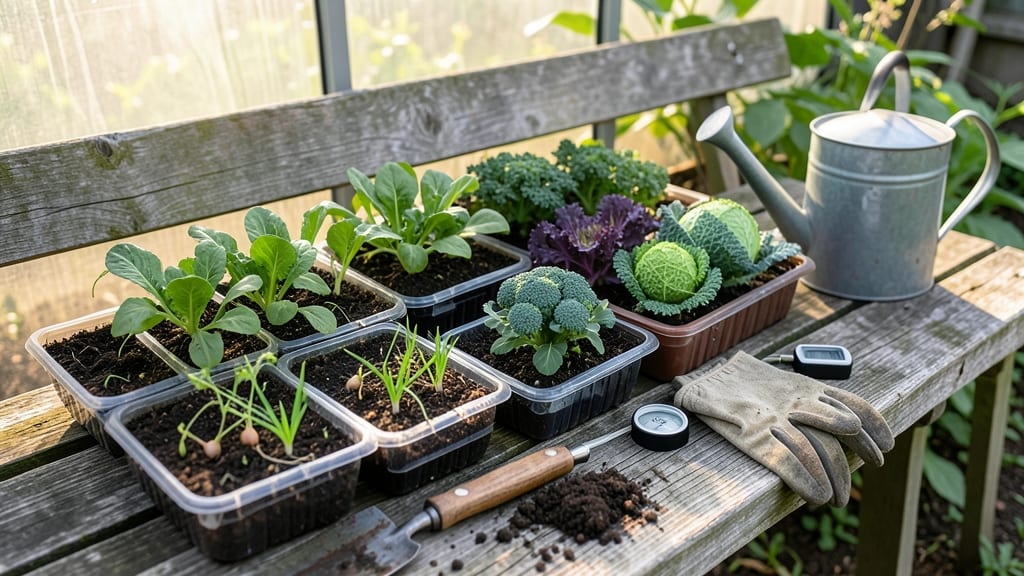
Planting your garden in Nebraska at the right time means the difference between a bountiful harvest and a wasted season—and the window opens sooner than you think.
Nebraska’s unpredictable frost dates can make or break your garden 🌱—plant too early, and you risk losing your hard work to late frosts. But get the timing right, and you’ll enjoy a thriving harvest all season long.
This guide breaks down the exact frost-free timeline by crop type, so you know when to start cool-season veggies like spinach (as early as March) and when to wait for tomatoes (after May 15 in most zones).
From extending your growing season with row covers to avoiding common mistakes, you’ll discover the most efficient planting schedule for Nebraska’s 5a-6b climate—no guesswork required.
Nebraska’s frost dates by region: when to plant cool-season vs warm-season crops
Nebraska’s frost dates vary dramatically across its USDA zones 5a-6b, making timing everything for a successful garden. The Panhandle (Zone 5a) often sees its last frost in early May, while Lincoln (Zone 6a) typically warms up by mid-April.
These differences mean your tomato seedlings in Kearney might thrive weeks earlier than those in Omaha. Understanding your local frost window ensures you plant cool-season crops like lettuce early enough to avoid bolting, while warm-season crops like peppers get a head start after the last frost.
Cool-season crops like spinach and carrots can handle light frosts, but warm-season crops such as tomatoes and peppers need consistent warmth to thrive. In Nebraska, this means planting cool-season crops 4-6 weeks before your last frost and waiting until 2-3 weeks after for warm-season varieties.
For example, in Omaha (Zone 5b), that means starting lettuce in early April and tomatoes in mid-May. But in the Panhandle (Zone 5a), you might delay lettuce until late April and tomatoes until late May.
Microclimates add another layer of complexity. Urban areas like Lincoln often warm up faster due to heat islands, while rural areas near Platte River valleys may experience later frosts. Elevation also plays a role—higher areas in the Sandhills region can be 2-3°F colder than nearby lowlands.
Always check local weather records or use Nebraska Extension’s frost date maps to fine-tune your schedule. Even a 10-day difference can mean the difference between a bountiful harvest and lost seedlings.
Here’s how Nebraska’s four key regions compare for planting timing, including last frost dates, first frost dates, and ideal planting windows for both cool-season and warm-season crops:
For cool-season crops, like broccoli, kale, and peas, Nebraska’s spring planting window typically runs from March to mid-April, depending on your region.
These crops can often handle light frosts down to 20°F, but a hard freeze (25°F or lower) can still damage tender varieties. To maximize yields, consider succession planting every 2-3 weeks until your last frost date.
For example, in Lincoln (Zone 6a), you could plant spinach in early March, late March, and early April to enjoy harvests all summer.
Warm-season crops, such as tomatoes, peppers, and squash, need soil temperatures above 60°F to germinate properly. In Nebraska, this usually means waiting until mid-to-late May for most regions, except the Panhandle, where you might delay until early June.
Start these crops indoors 6-8 weeks before your last frost date to give them a head start. For instance, if you’re in Omaha (Zone 5b) with a last frost of April 25, begin transplanting tomato seedlings around May 15.
Harden off seedlings by gradually exposing them to outdoor conditions for 7-10 days before planting.
Don’t overlook fall planting for cool-season crops like radishes, turnips, and lettuce. In Nebraska, you can often plant these 60-90 days before your first frost.
Best planting calendar for Nebraska gardens: month-by-month guide by crop type
Nebraska’s short but intense growing season demands precision timing—cool-season crops like spinach and peas thrive in early spring, while tomatoes and peppers need warm soil to sprout.
The key is aligning your planting with last frost dates (typically April 15-May 1 in most zones) and first frost dates (around October 15). Below, I’ve organized the best planting windows by crop type, including succession planting tips for continuous harvests.
For cool-season vegetables (e.g., lettuce, kale, carrots), start seeds indoors 4-6 weeks before last frost or sow directly in March-April. These hardy plants tolerate light frosts and can even be planted again in late summer for a fall harvest.
Meanwhile, warm-season crops like corn, beans, and squash should wait until after May 15 when soil temperatures exceed 55°F.
🌱Pro Tip: Use row covers to extend early planting by 2-3 weeks, protecting seedlings from unexpected frosts.
For high-yield crops like corn and squash, time your planting to avoid late frosts.
Corn, for example, should be planted in blocks (not rows) for cross-pollination, with seeds going in after May 15 when nighttime temperatures stay above 50°F. Squash and pumpkins thrive when transplanted after soil warms to 60°F, typically by late May.
🌿Key Action: Test soil temperature with a soil thermometer—warm-season crops need 55-65°F to germinate properly.
Don’t forget succession planting! By staggering plantings every 2-3 weeks, you’ll ensure a steady supply of green beans, lettuce, or radishes all season.
For example, sow radish seeds every 2 weeks from March through September—they mature in just 30 days and act as a living mulch for slower-growing crops.
💧Final Tip: Mulch after planting to retain moisture and suppress weeds, especially during Nebraska’s dry summers.