
Planting
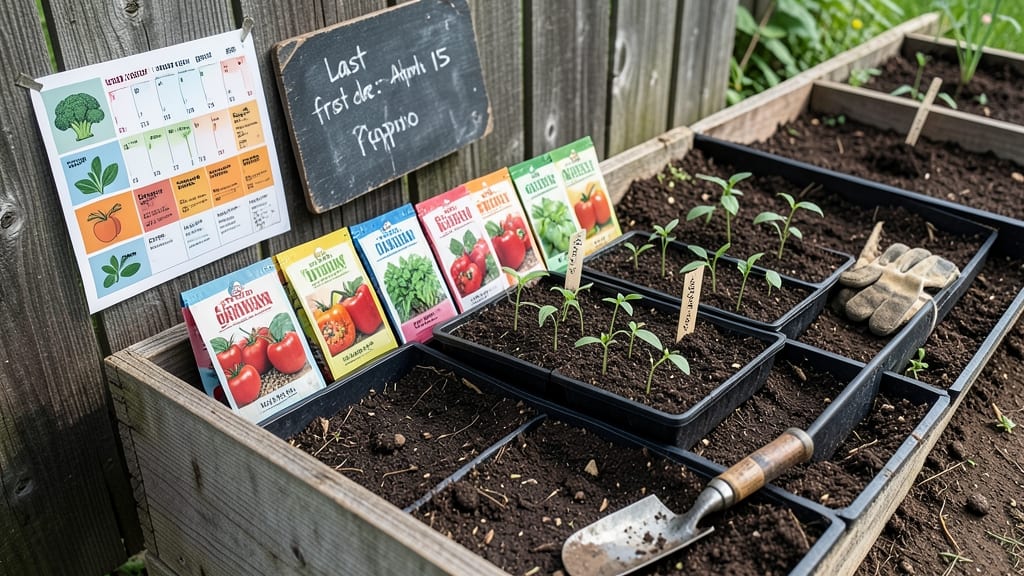
Planting your garden in Ohio at the right time means the difference between a bumper crop and a sad, frost-nipped disappointment.
Ohio’s unpredictable spring weather can make or break your garden—plant too early and risk frost damage, too late and miss peak harvests. Timing is everything, especially with Ohio’s diverse microclimates and USDA hardiness zones 6a-6b.
Most Ohio gardeners wait until after the last frost date, which typically falls between mid-April and early May, depending on your zone. But cool-season crops like lettuce and peas can handle a light frost, while warm-season favorites like tomatoes and peppers need the soil to stay warm.
Below, I break down the exact planting windows for Ohio’s most popular 🌱 General Garden Plants, including when to start seeds indoors, how to adjust for late frosts, and which crops thrive in Ohio’s short but sweet growing season.
Ohio’s frost-free dates by USDA Zone: when to start planting
Ohio spans USDA hardiness zones 5a through 6b, creating microclimates with varying frost dates that directly impact your planting schedule. Northern counties like Ashtabula and Trumbull (Zone 5a) face later last frosts, while southern regions like Chillicothe and Cincinnati (Zone 6b) enjoy earlier growing seasons.
These differences mean your neighbor’s planting timeline may not match yours—so knowing your exact zone is critical.
For accurate planning, check the Ohio State University Extension’s interactive map to pinpoint your precise zone. Generally, northern Ohio’s last frost averages April 15-30, while southern Ohio sees April 1-15 frost-free dates.
Warm-season crops like tomatoes and peppers need soil temperatures above 55°F (13°C) to thrive, which often aligns with these dates—but not always.
Here’s the zone-by-zone breakdown of Ohio’s frost-free windows and ideal planting times for cool-season vs. warm-season crops:
In Zone 5a, where winters are harsher, start cool-season crops indoors in February and use row covers to extend the season. For Zone 6b, you can direct-sow warm-season crops like tomatoes as early as April 15 if the soil is warm enough.
Always check soil temperature—a soil thermometer is your best friend for avoiding cold-soil shock.
For cool-season crops like lettuce and peas, plant 4–6 weeks before your last frost to ensure harvests before summer heat sets in. Warm-season crops such as tomatoes and peppers need consistent warmth, so wait until after May 1 in most zones. Succession planting is key—sow radishes every 2 weeks for continuous harvests.
Ohio’s first frost typically arrives between October 15 (Zone 5a) and November 1 (Zone 6b), giving you 160–180 frost-free days.
Use this time to plant fall crops like kale and spinach, which thrive in cooler weather. Perennials and bulbs can be planted in late summer or early fall for root establishment before winter.
Pro tip: Monitor local weather forecasts and adjust your timeline by 1–2 weeks if an early frost is predicted. Hardening off seedlings 7–10 days before transplanting also improves survival rates. For container gardening, move pots indoors or to a garage or shed if frost threatens.
Remember, Ohio’s microclimates mean your backyard might be 2–3 weeks ahead or behind your neighbors. Urban areas often warm up faster than rural zones, so observe your own garden’s patterns over time. Start a planting journal to track what works best in your specific spot!
Best planting calendar for Ohio crops: month-by-month guide
Ohio’s short growing season demands precision—planting at the wrong time can mean lost harvests or stunted growth. I’ve broken down the ideal planting windows for Ohio’s top 12 crops, including when to start seeds indoors, direct-sow outdoors, and use succession planting to stretch your yield.
All timelines account for Ohio’s USDA zones 5a-6b and average last frost dates (mid-April to early May).
For warm-season crops like tomatoes and peppers, soil temperature matters more than calendar dates. Use a soil thermometer—most seeds need 60°F+ soil to germinate properly. Cool-season crops like lettuce and peas, however, can handle light frosts and even thrive when planted 4-6 weeks before the last frost.
Below, I’ll show you exactly when to plant each crop for maximum success in Ohio’s climate.
- March: Start indoor seeds for tomatoes, peppers, and eggplants (8-10 weeks before last frost). Plant cool-season crops like peas, spinach, and onions outdoors.
- April: Direct-sow lettuce, radishes, and carrots 4-6 weeks before last frost. Transplant broccoli and cabbage seedlings when soil reaches 45°F+.
- May: Plant warm-season crops like beans, cucumbers, and squash after last frost. Succession plant lettuce and kale every 2 weeks for continuous harvests.
- June: Start fall crops like beets and turnips indoors. Transplant tomatoes and peppers after soil warms to 60°F+. Mulch to retain moisture.
- July-August: Succession plant bush beans and zucchini for late-summer harvests. Direct-sow spinach and arugula for fall harvests.
- September: Plant cool-season crops like kale, Brussels sprouts, and radishes for fall/winter harvests. Avoid planting warm-season crops after mid-September.
- October-November: Cover hardy greens (spinach, lettuce) with row covers to extend harvests. Plant garlic and onions for next year’s crop.
Succession planting is your secret weapon in Ohio’s short season. For example, sow lettuce every 2 weeks from April through July to enjoy fresh leaves all summer. Similarly, plant bush beans every 3 weeks in June and July for a steady supply.
This technique works especially well for fast-growing crops like radishes and turnips, which can be harvested in as little as 30-40 days.
Ohio’s soil can be tricky—amend beds with compost and aged manure before planting to improve drainage and fertility. For warm-season crops, add a mulch layer (straw or black plastic) to keep roots warm and conserve moisture.
In cooler zones (like northeast Ohio), consider using row covers or cold frames to extend the season for heat-loving plants like tomatoes.
Don’t forget to monitor your local frost dates—they can vary by 1-2 weeks from year to year. Use the Ohio State University Extension’s frost date map as a guide, but always have row covers on hand for unexpected late frosts.
With this calendar, you’ll maximize your Ohio garden’s potential, even with the state’s unpredictable weather patterns.