Planting
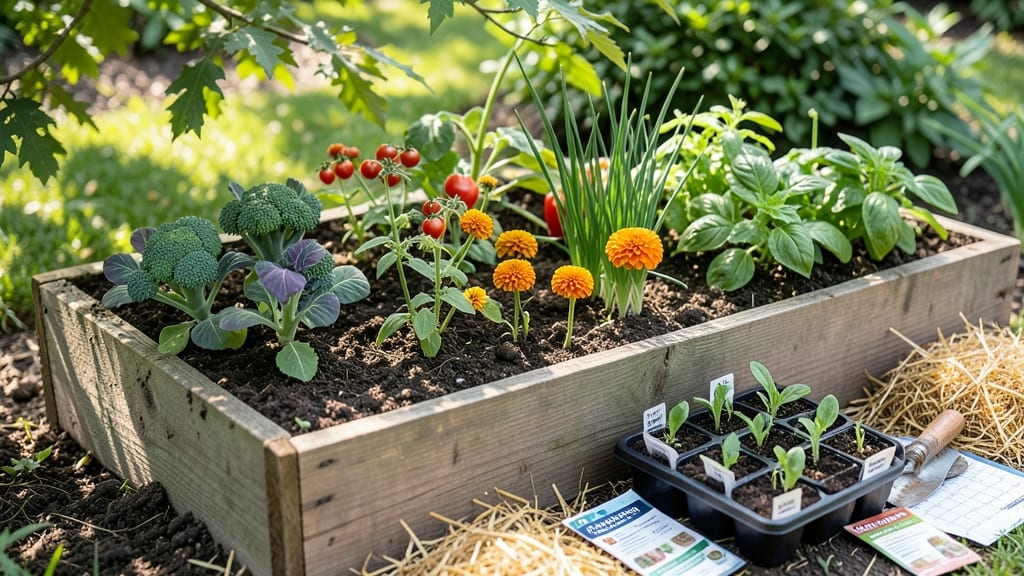
Planting your garden in Pennsylvania at the right time means the difference between a bountiful harvest and a frost-killed disappointment.
Pennsylvania’s diverse climate—from cold mountain regions to humid valleys—means your garden’s success hinges on timing. Plant too early, and frost will wipe out your hard work; too late, and you’ll miss peak harvests.
Whether you’re growing tomatoes in Philadelphia’s Zone 7a or peppers in Pittsburgh’s Zone 6a, knowing the last frost date (usually late April) is your first step.
Cool-season crops like lettuce and spinach can go in as early as March, while warm-season favorites like beans and peppers need to wait until soil warms.
Below, I break down the exact planting windows for your region, plus pro tips to stretch your growing season—so you can enjoy fresh produce from spring through fall.
Pennsylvania planting zones: frost dates by region and microclimate
Pennsylvania spans USDA Hardiness Zones 5a through 7a, creating a patchwork of planting opportunities and challenges. The Poconos Mountains (Zone 5a) face late frosts, while Philadelphia (Zone 7a) enjoys longer growing seasons.
Understanding these microclimates helps you time plantings perfectly—whether you're growing tomatoes in Pittsburgh or kale in the Lehigh Valley. Here’s how to navigate PA’s frost dates and regional quirks.
Your last spring frost and first fall frost are the bookends of your growing season. In Zone 5a (northwest PA), expect May 15 for last frost, while Zone 7a (southeast PA) typically sees April 1.
These dates shift dramatically with elevation—mountain gardens may have 2-3 weeks later last frosts than valley gardens just 50 miles away. Even within cities, urban heat islands can delay frost by 5-7 days compared to rural areas.
Here’s a region-by-region breakdown of PA’s frost dates, including urban vs. rural variations and microclimate tips for river valleys, high-altitude areas, and city gardens:
If you’re gardening in Zone 5a (Poconos), start cool-season crops like spinach or peas indoors by March 1 to transplant outdoors after your May 15 last frost.
In Zone 7a (Philadelphia), you can direct-sow warm-season crops like tomatoes as early as April 15, giving them a head start before summer heat arrives. Always check local weather patterns—some years, late frosts hit June 1 even in Zone 7a!
Microclimates add another layer of complexity. For example, river valleys (like the Susquehanna River) can be 5-10°F warmer than surrounding areas, allowing you to plant 2 weeks earlier. Conversely, high-altitude gardens above 2,000 feet may experience frosts through June.
Urban gardens in Philadelphia or Pittsburgh often have later last frosts due to the urban heat island effect, but also earlier first frosts in fall because cities cool faster at night.
To account for these variations, I recommend using frost-free date calculators like the National Weather Service’s Climate Normals or local Cooperative Extension offices. For example, Penn State Extension provides hyper-local frost data for counties.
If you’re in a transition zone (6a/6b), err on the side of caution—plant warm-season crops like peppers after May 1 to avoid surprise
Best planting times for Pennsylvania crops: cool-season vs. warm-season schedules
Pennsylvania gardeners face a unique challenge: balancing short growing seasons in the north with longer heat waves in the south.
Cool-season crops like lettuce and spinach thrive when planted 4-6 weeks before last frost (typically by early April), while warm-season favorites like tomatoes and peppers need soil temperatures above 60°F—usually after mid-May.
Your USDA zone dictates exact timing: Zone 5a (Poconos) has 150 frost-free days, while Zone 7a (Philadelphia) stretches to 200 days.
For direct-sow crops like beans and carrots, timing is critical—sow too early, and seedlings will bolt in heat; too late, and harvests shrink. Transplants (tomatoes, peppers) give you flexibility: start seeds indoors 6-8 weeks before last frost or buy hardened-off plants from nurseries after Memorial Day.
Southern PA gardeners can push limits with heat-tolerant varieties like 'Celebrity' tomatoes or 'Jupiter' peppers, while northern growers should opt for early-maturing hybrids like 'Stupice' radishes or 'Early Girl' tomatoes.
| Crop Type | Cool-Season Planting (Zones 5a-7a) | Warm-Season Planting (Zones 5a-7a) | Succession Planting Tips |
|---|---|---|---|
| Leafy Greens (Lettuce, Spinach, Kale) | March-April (direct sow) or August-Sept (fall crop) | N/A (avoid summer heat) | Sow every 2 weeks for continuous harvest |
| Tomatoes | N/A | May 15-June 1 (transplant after frost) | Plant heat-tolerant varieties in July for fall harvest |
| Peppers | N/A | May 1-June 1 (soil >60°F) | Use row covers for early starts in Zone 5a |
| Beans (Bush & Pole) | N/A | May 15-June 15 (direct sow) | Sow every 3 weeks until July for extended harvests |
| Herbs (Basil, Cilantro, Parsley) | March-April (cilantro/parsley) or June-July (basil) | Basil: June-July (after frost) | Sow basil every 2 weeks for continuous basil supply |
| Carrots | March-April or August-Sept (avoid summer heat) | N/A | Use shade cloth in summer for Zone 7a |
Adjust your schedule based on microclimates: River valleys (like the Susquehanna) warm faster than hilltops, so plant heat-lovers 1-2 weeks earlier. In Zone 5a, prioritize fast-maturing varieties (e.g., 'Early Wonder' peas) and use black plastic mulch to warm soil for tomatoes.
Southern PA gardeners can experiment with fall planting—sow lettuce in late August for harvests before first frost (mid-October). Always check soil temps with a thermometer to avoid planting warm-season crops in cold soil.
For succession planting, focus on crops with short harvest windows like radishes (30 days) or bush beans (50 days). In Zone 6a (Pittsburgh), start a second planting of lettuce in early July for fall harvests, while Zone 7a (Philadelphia) can squeeze in a late August planting of spinach.
Herbs like basil bolt quickly in heat—sow new seeds every 3-4 weeks from June through August. Peppers and eggplants also benefit from staggered plantings: start a second batch in early July for late-season harvests before frost.
Pro tip: Mark your calendar for Memorial Day weekend—this is your cue to plant warm-season transplants (tomatoes, peppers, eggplants) after soil warms. If you’re in Zone 5a, wait until Mother’s Day (May 10) to avoid frost damage.
For cool-season crops, your last chance for fall planting is Labor Day weekend (Sept 1), using row covers to extend harvests into October. Always check local frost dates (like Penn State Extension’s forecasts) for real-time adjustments—because in PA, weather is unpredictable!