
Planting
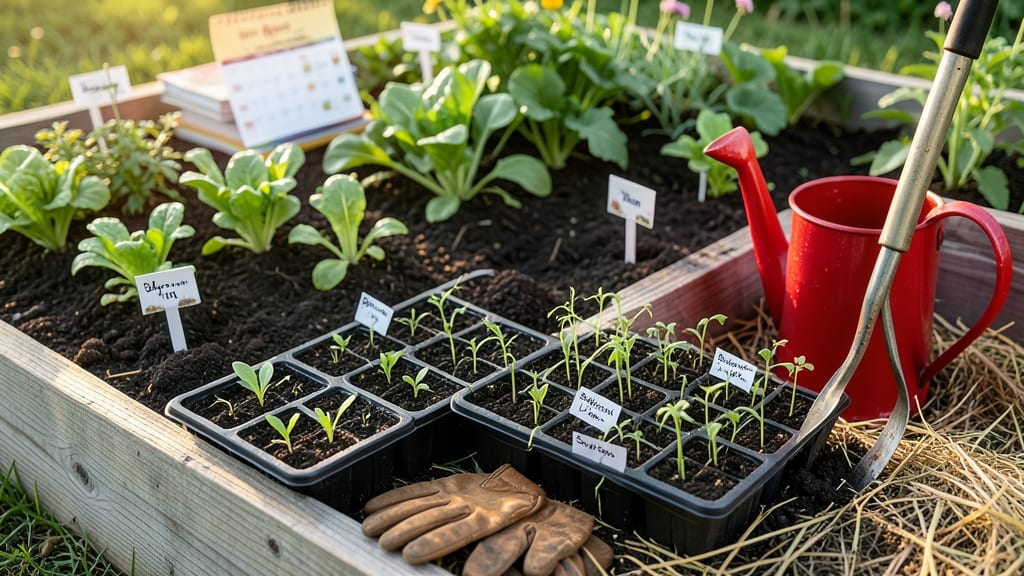
Planting your garden in Upstate NY at the right time means the difference between a bountiful harvest and a season of missed opportunities.
Upstate NY’s unpredictable frost dates can turn gardening success into a guessing game—but timing your plantings right means the difference between a thriving harvest and a wasted season.
With USDA zones 5b-6b and frost-free days ranging from 150-170, knowing when to plant cool-season crops like lettuce and spinach (as early as April) versus warm-season favorites like tomatoes and peppers (after mid-April) is key.
Below, I break down the exact planting windows for your General Garden Plants 🌱, including how to adjust for microclimates and extend your growing season with simple tricks.
Upstate NY frost dates by Zone: when to plant cool vs warm season crops
Understanding Upstate NY frost dates is the key to unlocking a successful garden. With USDA zones 5b-6b, gardeners here face 150-170 frost-free days annually—just enough for a productive growing season if you time things right.
The last spring frost typically arrives between mid-April and early May, while the first fall frost hits around mid-October, though these dates can shift by 1-2 weeks depending on the year.
Cool-season crops like lettuce, spinach, and peas thrive when planted 4-6 weeks before your last frost, often in March or early April. Warm-season crops such as tomatoes, peppers, and cucumbers need to wait until 2-3 weeks after the last frost, usually late May or early June.
Getting this timing wrong can mean stunted growth or lost harvests—so let’s break it down by zone to help you plan with confidence.
Zone 5b (common in areas like Syracuse and Ithaca) has the shortest growing season, with an average last frost date of April 20 and first frost of October 10. Zone 6a (found in Albany and Rochester) extends the season slightly, with last frosts around May 5 and first frosts near October 20. These differences matter when choosing early vs late varieties of crops like corn or pumpkins.
| USDA Zone | Last Spring Frost | First Fall Frost | Cool-Season Planting | Warm-Season Planting |
|---|---|---|---|---|
| Zone 5b | April 20 (±7 days) | October 10 (±7 days) | March 20 - April 15 | May 20 - June 5 |
| Zone 6a | May 5 (±7 days) | October 20 (±7 days) | March 25 - April 20 | May 25 - June 10 |
| Zone 6b | May 10 (±7 days) | October 25 (±7 days) | April 1 - April 25 | June 1 - June 15 |
*Dates are averages; check local forecasts for adjustments
For cool-season crops, start seeds indoors in February or early March for a head start. Leafy greens, broccoli, and cabbage can handle light frosts, so don’t hesitate to plant them early.
In Zone 5b, aim to have these transplants in the ground by April 15, while Zone 6b gardeners have until April 25.
Warm-season crops like tomatoes and peppers need soil temperatures above 60°F to thrive.
In Upstate NY, this typically happens by late May, but early varieties can be planted in biodegradable pots and covered with row fabric for a few weeks to jumpstart growth. Corn and beans, which are more frost-tolerant, can go in as early as May 10 in Zone 6b.
Herbs like basil and cilantro also follow these rules—cilantro is a cool-season herb that bolts in heat, while basil needs warm soil to germinate. Plant cilantro in early spring or fall, and basil after the last frost, ideally in well-draining soil with full sun.
If you’re growing perennials like asparagus or rhubarb, plant crowns in early spring (March-April) for a 2-year establishment period before harvest.
Fall planting is just as critical—broccoli, kale, and carrots can be sown as late as August 15 in Zone 6b for a fall harvest.
Use black plastic mulch or straw mulch to extend the season and protect tender crops. Garlic should be planted in October for next year’s harvest, while onion sets can go in as late as September 15.
To refine your timing, monitor local weather forecasts and use tools like the National Weather Service’s frost prediction maps. For
Best planting schedule for Upstate NY gardens: month-by-month crop guide
Upstate NY’s short but intense growing season demands precision—plant too early, and frost zaps your seedlings; too late, and summer heat stunts growth. The key is aligning your planting timeline with soil temperatures and regional microclimates, like lake-effect zones that can delay spring frosts by weeks.
For most of Upstate NY (USDA zones 5b-6b), aim to start cool-season crops 4-6 weeks before your last frost (typically mid-April) and warm-season crops 2-3 weeks after (late May).
Microclimates near lakes or rivers can push these windows by 10-14 days, while inland areas may need to wait longer. Always check your local Cornell Cooperative Extension for real-time updates, as frost dates fluctuate yearly.
Below, I’ve broken down the month-by-month schedule for Upstate NY’s most popular crops, including succession planting tips to maximize your harvest.
For lake-effect zones, like areas near Lake Erie or Lake Ontario, adjust your timeline by 1-2 weeks later for spring plantings. The lake’s moderating influence can delay last frosts, but it also brings cooler summers—ideal for leafy greens but challenging for heat-loving crops like sweet corn or melons.
Always monitor soil temperature with a probe; cool-season crops need 40-50°F, while warm-season crops thrive at 65°F+.
Succession planting is your secret weapon in Upstate NY. For example, sow bush beans every 2 weeks from June to August to ensure a steady supply. Similarly, lettuce and spinach can be direct-sown every 3 weeks from April to September, with a final batch in late July for fall harvests.
This approach maximizes your garden’s potential and minimizes wasted space.
Pro tip: Use row covers or cold frames to push early spring plantings by 3-4 weeks. For instance, I’ve successfully grown spinach and peas in late March by covering them with floating row covers—just remove them during the day to prevent overheating.
Always pair this with mulching to stabilize soil temperatures and retain moisture.
Remember, Upstate NY’s first frost typically arrives in mid-October, but it can vary by 10-14 days depending on elevation and location. Plan to harvest tomatoes and peppers before temperatures dip below 50°F, or use black plastic mulch to insulate the soil and extend the season by 2-3 weeks.