Planting
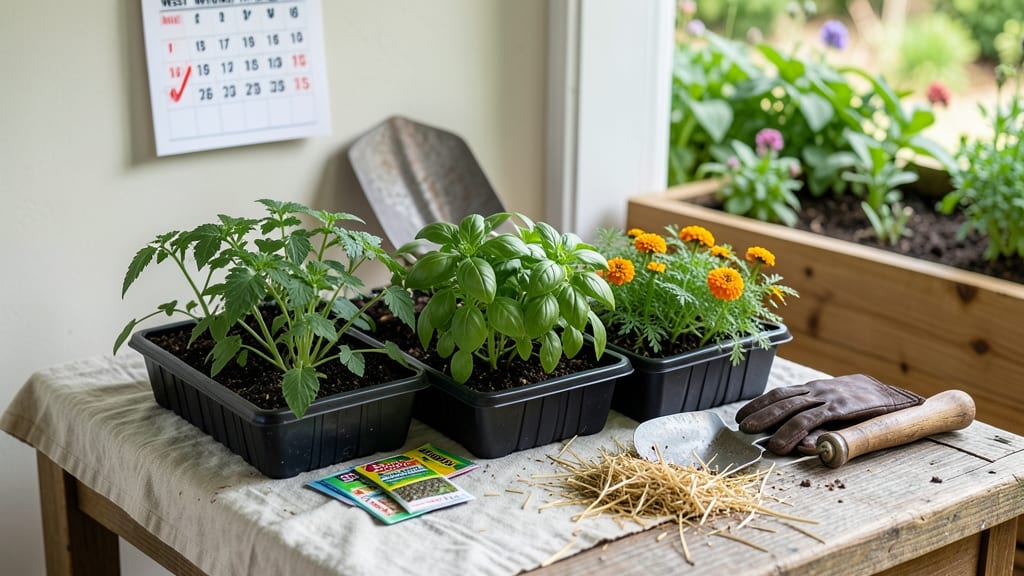
Planting a garden in West Virginia after the last frost ensures your General Garden Plants 🌱 thrive in zones 6a-7a.
West Virginia’s unpredictable spring weather can turn gardening dreams into guesswork—but timing your plantings after the last frost is the secret to a thriving harvest. Whether you’re in cooler Zone 6A or milder Zone 7A, missing these deadlines could mean stunted veggies or lost crops.
Most gardeners in the Mountain State wait until mid-April to early June for spring planting, but soil temperatures matter just as much as calendar dates. A soil thermometer can save you from planting too early, especially for heat-loving crops like tomatoes and peppers.
Below, I’ll break down the exact frost-free windows for your region, how to stretch your growing season with simple tricks, and the three biggest mistakes that waste planting time every year.
West Virginia last frost dates by zone: critical planting timelines for 6A vs 7A
Understanding last frost dates in West Virginia is your first step to a successful garden. The state spans USDA Zones 6A and 7A, creating a 3-4 week difference in planting windows.
In Zone 6A (cooler highlands like Pocahontas County), the average last frost date falls between March 15 and April 30. Meanwhile, Zone 7A (warmer valleys like Charleston) typically sees its final frost between March 1 and April 15.
These dates determine when you can safely plant warm-season crops like tomatoes and peppers.
For cool-season vegetables such as lettuce, spinach, and peas, you can start seeds indoors 4-6 weeks before your last frost. In Zone 6A, this means mid-February plantings, while Zone 7A gardeners can begin as early as late January.
The key is to have seedlings ready to transplant 1-2 weeks after your expected last frost date. Historical data from WVU Extension shows that late frosts can occur up to May 10 in Zone 6A, so always have row covers ready.
Here’s how these frost dates translate into actionable planting windows for your garden:
| Planting Window | Zone 6A (Cooler Highlands) | Zone 7A (Warmer Valleys) | Microclimate Tip |
|---|---|---|---|
| Cool-Season Crops (Lettuce, Spinach, Peas) | Start indoors: Mid-February Transplant: Late April |
Start indoors: Late January Transplant: Early April |
Valleys warm faster; highlands risk late frosts. |
| Warm-Season Crops (Tomatoes, Peppers, Cucumbers) | Transplant: May 10–June 1 Direct sow: After May 15 |
Transplant: April 15–May 1 Direct sow: After April 20 |
Use black plastic mulch to warm soil in Zone 6A. |
| Fall Planting (Kale, Carrots, Radishes) | Direct sow: August 1–September 15 | Direct sow: July 15–August 30 | Zone 7A can extend fall harvests by 2–3 weeks. |
| First Frost Warning | October 15–November 1 | October 1–October 15 | Mountain tops freeze earlier; valleys hold warmth longer. |
If you’re gardening in Zone 6A, don’t rush to plant tomatoes or peppers before May 10. These heat-loving plants need soil temperatures above 60°F to thrive. Use a soil thermometer to confirm—cold soil stunts growth.
In Zone 7A, you can start direct-sowing beans and cucumbers as early as April 20, but always monitor local forecasts for late frosts, especially in higher elevations.
Microclimates play a huge role in West Virginia. Valleys like the Kanawha Valley often experience warmer springs and can plant 2 weeks earlier than surrounding areas. Meanwhile, mountain regions such as Monongahela National Forest may face frosts until May 15.
To adjust, observe your garden’s behavior for 2–3 years and note when frost-sensitive plants like eggplants survive without damage.
For fall planting, aim to sow cool-season crops 60–90 days before your first frost. In Zone 6A, this means late July to mid-September, while Zone 7A gardeners can extend harvests until early October.
Use row covers to protect tender greens like spinach from early autumn chills. My personal trick? Plant radishes as a "frost indicator"—they bolt quickly if temperatures dip too low.
Pro tip: Bookmark the WVU Extension’s frost date map for real-time updates
How to extend your West Virginia growing season: cold frames, row covers, and succession planting hacks
West Virginia’s short growing season doesn’t have to limit your harvest. By using cold frames, row covers, and succession planting, you can push your planting windows earlier by 3–4 weeks or extend them into fall.
These strategies work especially well for cool-season crops like spinach and peas, which thrive in WV’s mild springs and autumns.
Many gardeners in Zone 6A and Zone 7A miss out on early harvests because they wait until the last frost has passed. But with the right tools, you can start planting hardy greens like kale and lettuce as early as March 15—even before the average last frost date.
The key is understanding when and how to use these extensions.
- Cold frames: Install 2–4 weeks before last frost for spinach, peas, and lettuce. Use clear plastic or glass to trap heat during the day and insulate at night.
- Row covers: Protect broccoli and cabbage from late frosts by covering with frost cloth (like Agribon or Reemay) after planting. Secure edges with soil or bricks to prevent wind damage.
- Succession planting: Sow beans, carrots, and kale every 1–2 weeks from April to July. This ensures a steady harvest and maximizes space in your garden.
- Fall extensions: Use row covers again in late August to protect cool-season crops from early frosts. This can add 4–6 weeks to your harvest window.
For cold frames, timing is everything. In Zone 6A, install them by March 1 to start growing peas and spinach early. The frame should sit low to the ground, allowing sunlight to warm the soil while trapping heat.
Remove the cover on warm days (above 50°F) to prevent overheating.
Row covers are a game-changer for broccoli and cabbage, which can suffer from late spring frosts. Tested brands like Agribon 35 or Frost King allow light and water to pass through while blocking frost.
Secure the cover tightly to avoid gaps where cold air could seep in. Remove it during the day if temperatures rise above 70°F to prevent heat stress.
Succession planting is the secret to a continuous harvest. In WV, start with radishes (20 days to maturity) in early April, followed by lettuce and carrots every 2 weeks.
For beans and kale, sow new seeds every 3 weeks until early July. This method ensures you’re always picking fresh produce instead of facing a glut all at once.
Don’t forget to harvest regularly to encourage more production. For example, picking leaf lettuce every few days will prompt the plant to grow new leaves. And if you’re using row covers in fall, remove them during the day to harden off plants before the first frost hits.
With these season-extending hacks, you can enjoy fresh homegrown veggies from early spring through late fall—even in WV’s unpredictable climate! Start small with one method, like cold frames for spinach, and expand as you gain confidence. Happy gardening! 🌱