Planting
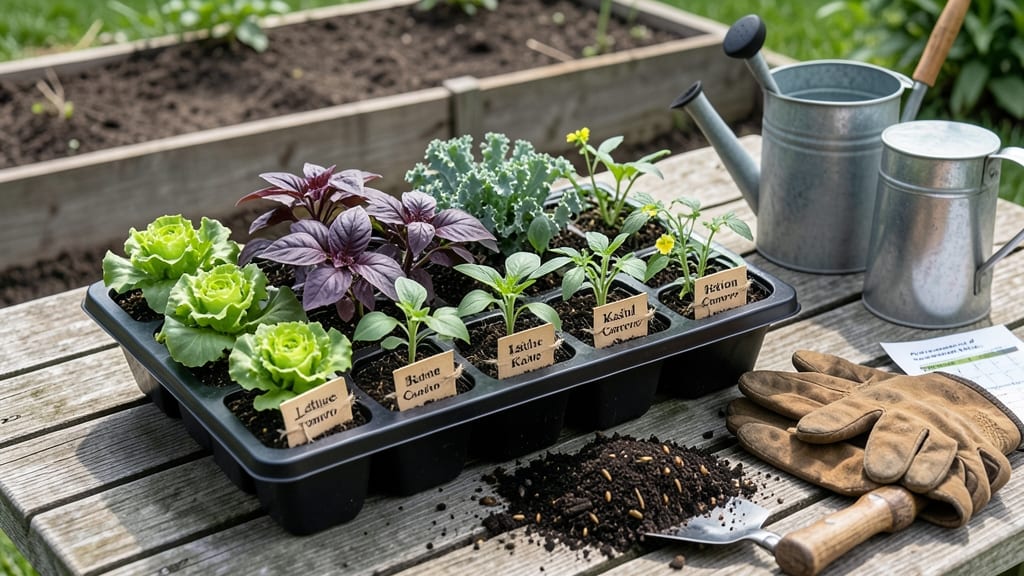
Planting your garden in Zone 7 at the right time means the difference between a bumper crop and a sad, wilted disappointment — so timing is everything.
You’ve got about 200 frost-free days to work with, but those windows open and close faster than you think. Miss the March 15 mark for cool-season crops, and you’ll be fighting weeds instead of harvesting. Get this guide before your last frost slips away!
Whether you’re sowing leafy greens in early spring or tomatoes in late May, the key is matching each plant to its ideal window. Some, like peas, can handle a light frost, while others, like basil, bolt the second it gets too warm.
Inside, you’ll find the exact dates for spring, summer, and fall planting, plus tips to stretch your season with row covers and succession planting. No more guessing — just a thriving garden.
Zone 7 last frost dates by month: critical planting windows for vegetables
Understanding your Zone 7 last frost dates is the key to unlocking a bountiful harvest. In most of Zone 7, the average last frost date falls between March 15 and April 15, while the first frost typically arrives October 15–November 15.
These dates create a 200-day growing season, giving you ample time for both cool-season and warm-season crops—if you time your plantings correctly.
Cool-season vegetables like lettuce, spinach, and peas thrive when planted 4–6 weeks before your last frost date. Meanwhile, warm-season favorites such as tomatoes, peppers, and cucumbers need to wait until 2–3 weeks after the frost danger has passed. Missing these windows can mean stunted growth or lost crops entirely.
Here’s the critical planting timeline for Zone 7, broken down by vegetable type and frost-sensitive stages:
| Plant Type | Last Frost Window | First Frost Window | Ideal Planting Time | Notes |
|---|---|---|---|---|
| Cool-Season Veggies | March 15–April 15 | October 15–November 15 | 4–6 weeks before last frost | Spinach, kale, broccoli, peas |
| Warm-Season Veggies | March 15–April 15 | October 15–November 15 | 2–3 weeks after last frost | Tomatoes, peppers, eggplant, beans |
| Fall Crops (Direct Sow) | N/A | October 15–November 15 | 6–8 weeks before first frost | Radishes, lettuce, carrots, kale |
| Perennials & Herbs | March 15–April 15 | October 15–November 15 | Early spring or fall | Asparagus, rhubarb, rosemary, thyme |
For coastal areas in Zone 7, frost dates may shift slightly earlier (e.g., March 1–April 10 for last frost), while inland regions might experience later frosts (up to April 20). Always check your local Almanac’s frost predictions or use a frost-free date calculator for precision.
Pro tip: Use row covers or cold frames to extend your cool-season planting window by 2–4 weeks. This lets you sow spinach or lettuce as early as February or keep kale growing into late fall. Just be ready to remove covers if daytime temps rise above 70°F.
Warm-season crops like tomatoes and peppers are particularly sensitive to frost. Planting them too early—even if soil temps are warm—can stunt growth. Wait until soil temperatures reach 60°F+ and nighttime lows stay above 50°F. Use a soil thermometer to monitor conditions if you’re unsure.
If you’re growing long-season varieties (e.g., cabbage or Brussels sprouts), start seeds indoors 6–8 weeks before your last frost date. Transplant seedlings outdoors when they’re 4–6 inches tall and hardy enough to handle Zone 7’s mild but unpredictable spring weather.
Don’t forget about succession planting
Best crops to plant in Zone 7 by season: a month-by-month guide
Zone 7 gardeners have a 200-day growing season, but timing is everything. Plant too early, and frost will nip your seedlings. Plant too late, and summer heat will bolt your greens.
The key is matching each crop to its perfect window—whether it's cool-season veggies in spring or heat-loving tomatoes in summer.
I’ve broken down the best crops for each month, including succession planting tips to keep your harvests rolling. For example, lettuce and peas thrive in early spring, while okra and sweet potatoes need the long, hot days of late summer.
Let’s dive into the month-by-month schedule that’ll keep your garden productive all year.
- 1. March–April (Cool-Season Crops): Plant peas, spinach, and broccoli 4–6 weeks before last frost (typically March 15). Use row covers for extra protection.
- 2. May (Warm-Season Starters): Transplant tomatoes, peppers, and eggplants 2–3 weeks after last frost. Start cucumbers and beans from seed after soil warms to 60°F.
- 3. June–July (Succession Planting): Sow bush beans, zucchini, and summer squash every 2 weeks for continuous harvests. Add basil and cilantro for heat-tolerant herbs.
- 4. August (Fall Prep): Plant kale, carrots, and radishes for fall harvests. Start broccoli and cabbage from seed indoors for transplanting in September.
- 5. September–October (Late Fall): Extend the season with garlic, onions, and cover crops like clover. Harvest pumpkins and winter squash before first frost (November 15).
Don’t forget succession planting—it’s the secret to a garden that never stops producing. For example, after harvesting your first batch of lettuce in May, sow another round in late June for a fall crop. This works especially well for radishes, beans, and bush peas, which mature quickly.
For heat-sensitive crops like basil and cilantro, use shade cloth in peak summer to prevent bolting. And if you love tomatoes, opt for heat-tolerant varieties like 'Solar Fire' or 'Heatmaster' for a longer harvest window. These small adjustments make all the difference in a Zone 7 garden.
Pro tip: Mark your calendar for October 15, the average first frost date. This is your cue to harvest remaining crops like peppers and eggplants before temperatures drop. With this schedule, you’ll maximize your 200 frost-free days and enjoy fresh produce from spring to fall.