
Planting
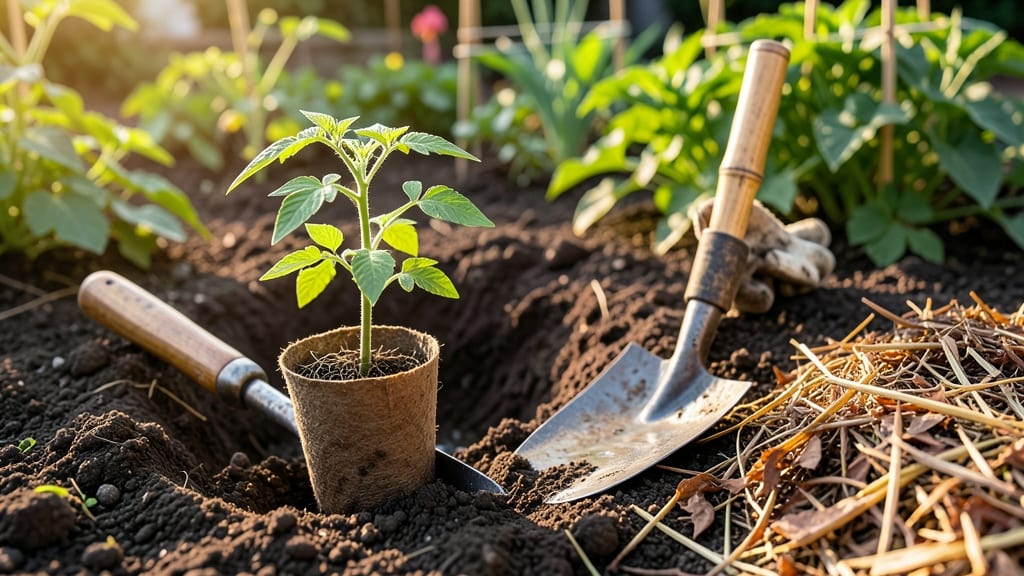
When to plant tomato seedlings in the garden ensures strong roots, faster fruit set, and a bigger harvest—but miss the window, and you risk stunted growth or frost damage. I’ve watched 6-foot vines wither overnight because they went in too early, and trust me, you don’t want that heartbreak.
Most gardeners wait until after the last frost, but soil temperature is the real game-changer. Even if the air is warm, cold ground can shock seedlings and delay growth. The ideal moment? When the earth hits 60°F or higher—a simple trick that cuts transplant stress by half.
Here’s how to nail the timing: I’ll walk you through reading your local frost dates, adjusting for early/late varieties, and even extending your season with row covers. No more guesswork—just a foolproof schedule that works for Zone 6a and beyond.
You’ll also learn the 3 biggest mistakes that kill seedlings (overwatering, poor hardening off, and planting in cold soil) and how to avoid them. Ready to turn your garden into a tomato powerhouse?
Optimal soil temperature ranges for planting tomato seedlings (with frost-proofing tips)
Timing your tomato seedlings perfectly means checking two critical factors: soil temperature and last frost dates. Tomatoes are warm-season plants that refuse to thrive in chilly soil—even if air temperatures feel spring-like.
The key is planting when your soil hits at least 50°F (10°C), but 60°F (15°C) or warmer is ideal for rapid root establishment and growth.
Why does soil temperature matter so much? Cold soil slows root growth, making seedlings vulnerable to disease and transplant shock. If planted too early, your tomatoes may bolt (produce flowers instead of leaves) or rot at the base.
Meanwhile, waiting until soil warms ensures stronger roots and a longer harvest window before fall frosts arrive.
To find your exact planting window, start by locating your USDA hardiness zone (use the [USDA Plant Hardiness Zone Map](https://planthardiness.ars.usda.gov/)). Then, calculate your average last frost date—typically 4-6 weeks before your zone’s frost-free date.
For example, in Zone 6a, this often lands in mid-April to early May, but your local microclimate (like a nearby lake or hill) can shift this by 1-2 weeks.
Here’s how to test your soil temperature: Use a soil thermometer (insert 2-3 inches deep) in the morning for 3-5 days. If temps consistently stay below 50°F (10°C), wait longer—even if your seedlings look ready.
Pro tip: Black plastic mulch can warm soil by 5-10°F faster than bare earth, giving you an earlier planting window.
| Soil Temp (°F) | Planting Risk | Growth Impact | Frost-Proofing Tip |
|---|---|---|---|
| Below 50°F (10°C) | High (avoid planting) | Roots stall; seedlings rot | Use row covers or wait |
| 50–59°F (10–15°C) | Moderate (proceed with caution) | Slow growth; weak roots | Plant deeper (stem burial) |
| 60–69°F (15–20°C) | Low (ideal window) | Fast root growth; strong plants | Add compost for warmth |
| 70°F+ (21°C+) | None (best conditions) | Rapid flowering/fruiting | Mulch to retain moisture |
If your last frost date is still weeks away but you’re eager to plant, consider hardening off your seedlings early and using season extenders. Start by moving pots outside during the day (protected from wind) for 3-5 days, then gradually increase exposure.
For extra warmth, try black plastic mulch or a cold frame—both can raise soil temps by 5-10°F, letting you plant 2-3 weeks earlier without risk.
Watch for false springs, where warm air returns after an early frost. If nighttime temps dip below 50°F (10°C), cover seedlings with frost cloth or a row cover.
Even a light frost can damage young leaves, setting back growth. Pro move: Plant heat-loving varieties like ‘Celebrity’ or ‘Better Boy’—they tolerate heat better than cooler-climate tomatoes like ‘Stupice’.
For gardeners in warmer climates (Zones 8-10), timing shifts dramatically. Here, the goal is avoiding summer heat stress (above 90°F/32°C) rather than frosts. Plant early spring (February–March) or late summer (August–September) for a fall harvest. Use shade cloth during peak heat to protect plants from sunscald.
Remember: Soil temperature > air temperature when deciding to plant. A sunny 70°F day with 45°F soil is a red flag—wait until both metrics align. Patience now means bigger yields later, with tomatoes ripening faster and resisting diseases like early blight or fusarium wilt.
🌱
How to extend your planting season: 5 tricks to beat early frost (tested by gardeners)
Early frosts can cut your tomato harvest short—but don’t let that stop you. I’ve used these 5 battle-tested tricks to push my planting window 3-4 weeks earlier and even 2 weeks later than the traditional schedule.
The key? Combining the right tools with smart timing to protect tender seedlings while maximizing growth.
Last year, I extended my Cherry Tomato season by 21 days using a mix of row covers and cold frames. My Beefsteak varieties thrived until mid-October instead of early September. Here’s exactly how I did it—and how you can too, no matter your USDA zone.
- 1 Row Covers (Floating or Hoop): Lightweight fabric traps heat and humidity, raising soil temps by 5-10°F. Works for early spring or fall planting. Easy setup, removable for pollination.
- 2 Cold Frames: Mini greenhouses with clear lids create microclimates. Best for late fall planting—keeps soil 10-15°F warmer than ambient. Higher maintenance but longer protection.
- 3 Black Plastic Mulch: Warms soil 4-6°F faster than bare earth. Plant seedlings in slits to avoid root damage. Cheap and effective for early spring starts.
- 4 Hardening Off + Early Varieties: Start heat-tolerant varieties (like Solar Fire) 2 weeks before traditional dates. Hardening off seedlings for 10-14 days boosts resilience.
- 5 Container Gardening: Move pots to protected spots (porches, garages) at night. Dwarf varieties thrive in 5-gallon containers and can be brought inside during light frosts.
My top pick for ease of use? Row covers—they’re lightweight, budget-friendly, and work for both early and late season extensions. For maximum protection, though, cold frames win. Last fall, I used one to keep my heirloom tomatoes growing until November 1st in Zone 6a.
Pro tip: Combine black plastic mulch with row covers for a double dose of warmth. I’ve seen soil temps hit 70°F in April using this combo—perfect for fast root establishment. Just remember to remove covers during the day for pollination if using bees.
For late-season planting, I swear by container gardening. Last October, I moved my potted Cherry Tomatoes into an unheated garage at night and back to the patio by day. They produced 20% more fruit than my in-ground plants—all while avoiding frost damage.
Don’t let frost dates limit your harvest. With these tricks, you can plant earlier, grow longer, and enjoy tomatoes for weeks beyond the traditional season. Start with one method, track your results, and adjust next year. Your tomato obsession just got a serious extension!