
Planting
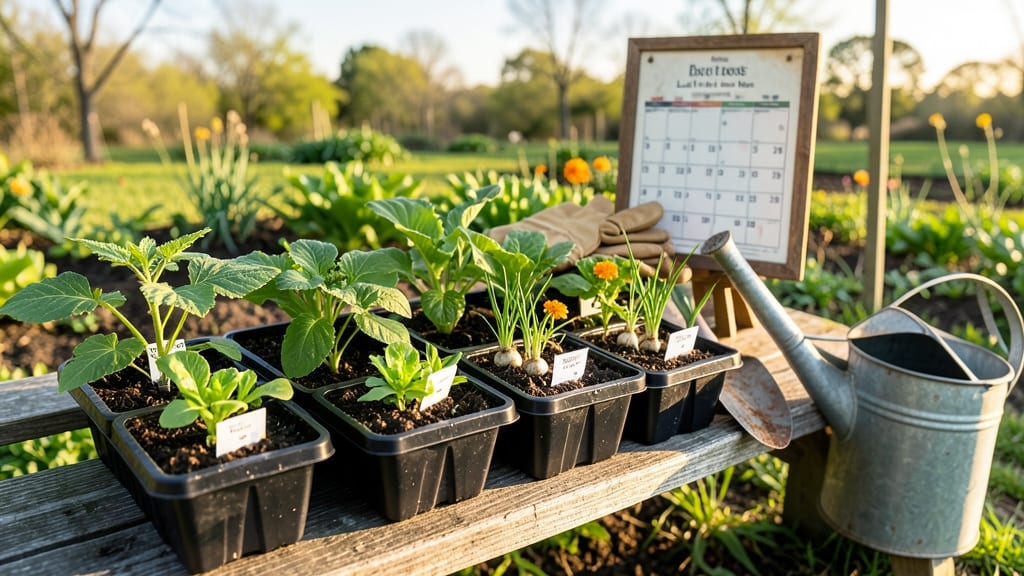
Planting your garden in Ohio at the right time is the difference between a bountiful harvest and wasted effort — and the timing varies more than you’d expect across the state.
Ohio’s unpredictable spring weather can turn a gardener’s excitement into frustration—planting too early risks frost damage, while waiting too long may shorten your harvest. But with the right timing, you can maximize yields and avoid common mistakes that plague Ohio gardens every year.
Whether you’re in the cooler USDA Zone 5b of northern Ohio or the milder Zone 6b of the south, knowing when to start seeds indoors, transplant seedlings, or direct-sow outdoors makes all the difference.
In this guide, I’ll break down the best planting windows for vegetables, flowers, and perennials by region, plus pro tips for extending your growing season—so you can finally get the garden you’ve been dreaming of.
Ohio planting zones explained: when to start indoors vs outdoors by region
Ohio spans USDA Hardiness Zones 5b to 6b, meaning northern areas like Cleveland and Toledo have shorter growing seasons than southern regions like Cincinnati and Columbus. These zones dictate when to start seeds indoors and when to transplant outdoors—critical for avoiding frost damage and maximizing harvests.
Understanding your zone ensures you plant cool-season crops like kale and peas early and warm-season crops like tomatoes and peppers after the last frost.
The last average frost date varies by zone: April 15–May 1 in Zone 5b (north) and May 1–15 in Zone 6b (south). Warm-season plants need soil temperatures above 50°F (10°C) to thrive, while cool-season crops tolerate cooler soils.
Below, we’ll break down indoor starting times and outdoor planting windows for Ohio’s most popular vegetables, flowers, and herbs.
| Zone & Region | Last Frost Date | Indoor Start (Weeks Before Last Frost) | Direct Sow Outdoors | Transplant Outdoors |
|---|---|---|---|---|
| Zone 5b (North: Cleveland, Toledo) | April 15–May 1 |
|
|
|
| Zone 6a (Central: Columbus, Dayton) | April 30–May 10 |
|
|
|
| Zone 6b (South: Cincinnati, Lexington) | May 1–15 |
|
|
|
*Adjust dates 1–2 weeks earlier for southern exposures or microclimates (e.g., near lakes).
For cool-season crops like broccoli, cabbage, and onions, start seeds indoors 6–8 weeks before your last frost date in Zone 5b or 4–6 weeks in Zone 6b. These plants tolerate light frosts, so you can even direct-sow peas and spinach as early as mid-March in southern Ohio or late March in the north.
Use row covers to extend the season for lettuce and kale into early fall.
Warm-season crops—such as tomatoes, peppers, and basil—require soil temperatures above 60°F (15°C). In Zone 5b, start these seeds indoors by February 15 and transplant after May 15. In Zone 6b, you can push transplanting to April 20–May 1 for earlier harvests. Always harden off seedlings for 7
10 Signs your Ohio garden is ready to plant (and 5 mistakes to avoid)
Determining the perfect planting time in Ohio isn’t just about checking a calendar—it’s about reading your environment. I’ve learned that soil temperature, native plant blooms, and even moisture levels tell you more than frost dates alone.
For example, when dandelions bloom reliably, your soil is usually warm enough for warm-season crops like tomatoes and peppers.
Ohio’s microclimates add another layer of complexity. A south-facing slope warms faster than a shady valley, so planting times can vary by weeks within just a few miles. Ignoring these differences is one of the top mistakes I see Ohio gardeners make—leading to stunted plants or wasted seeds.
- 1 Soil temperature reaches 50°F+ at 4" depth (use a soil thermometer)
- 2 Dandelions bloom consistently (sign of warming soil)
- 3 Lilacs are in full bloom (ideal for planting cool-season crops)
- 4 Robins are actively feeding young (natural indicator of insect activity)
- 5 Soil is crumbly and moist (not muddy or dry)
- 6 Daytime highs consistently reach 60°F+ for 3+ days
- 7 Crocuses have finished blooming (safe for hardy vegetables)
- 8 Nighttime temps stay above 40°F (use frost blankets if needed)
- 9 Earthworms are active in top 6" of soil
- 10 Your local weather app shows 7-day forecasts with no frost risk
One mistake I see repeatedly is overestimating frost dates. Ohio’s last frost can vary by 2-3 weeks between northern and southern regions, so don’t rely solely on averages. For example, Columbus averages a last frost around April 15th, but Toledo can be 10 days earlier.
Another common error is ignoring microclimates. A south-facing bed might be ready for tomatoes when a north-facing one still has frost risk. Test your soil temperature in multiple spots—differences of 10°F are normal. Use row covers for early plantings if nights are still chilly.
Finally, planting too late shortens your harvest window. If you miss the ideal window for warm-season crops like peppers, you’ll struggle to get a full season’s yield. I recommend setting calendar reminders for your specific zone and cross-checking with native plant blooms for real-time confirmation.