
Tools
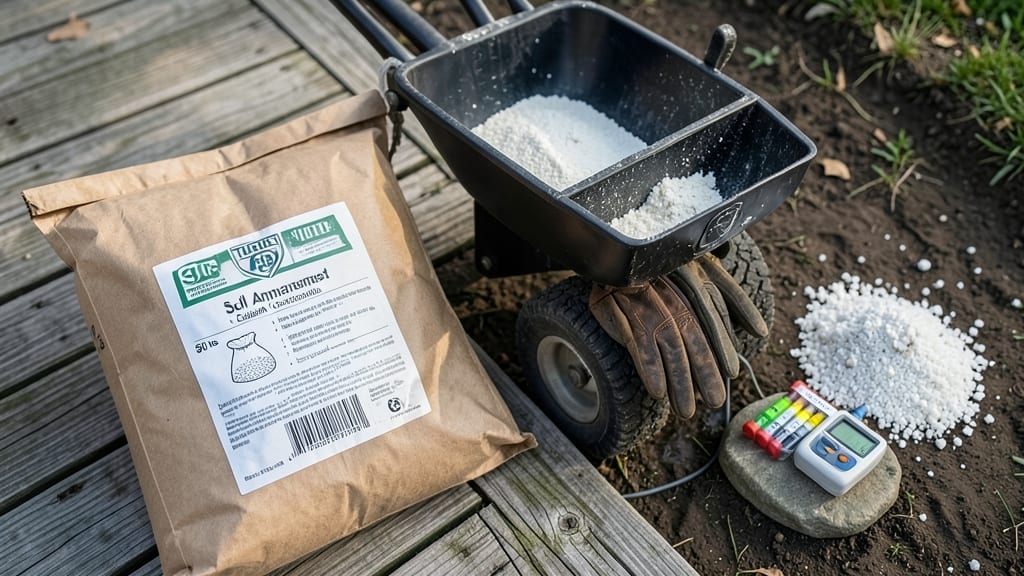
Putting lime in your garden at the right time can save your plants from stunted growth and nutrient deficiencies—but most gardeners miss the best window.
Picture this: You’ve spent months nurturing your garden, only to see leaves turn yellow or flowers fail to bloom. The culprit? Soil that’s too acidic. Adding lime at the wrong time won’t just waste your money—it can even harm your plants.
The key is knowing when to apply it for maximum impact, and it’s not what you might think.
Most experts agree that early spring or fall are the ideal times to amend your soil with lime, but the exact timing depends on your soil’s current pH and your region’s climate.
In USDA Zone 6a, for example, applying lime in late fall gives it months to work before planting season. Meanwhile, in warmer climates, summer heat can lock lime out of the soil entirely.
In this guide, I’ll walk you through how to test your soil’s pH, the best seasonal windows for application, and even how to spot signs your garden needs lime before it’s too late.
By the end, you’ll know exactly when to put lime in garden to keep your plants thriving all year.
How to test soil pH before adding lime for garden balance
Before reaching for that bag of lime, you must test your soil’s pH. Lime only works when your soil is too acidic—adding it to neutral or alkaline soil can actually harm your plants. A simple test reveals whether your garden needs this calcium carbonate boost or something else entirely.
Soil pH measures acidity or alkalinity on a scale from 0 (most acidic) to 14 (most alkaline). Most garden plants thrive in a slightly acidic to neutral range of 6.0 to 7.0.
If your soil tests below 6.0, lime is likely your solution—but only if the problem is acidity, not poor drainage or nutrient deficiencies.
You have two main options for testing soil pH: DIY kits (affordable and quick) or lab testing (more accurate). DIY kits, like those from Luster Leaf or MySoil, use color-changing indicators to show pH levels.
For precise results, send a sample to a cooperative extension service—they’ll analyze nutrients too.
To collect a sample, use a soil probe or trowel to gather soil from 6 inches deep in 5–10 spots across your garden. Mix these into one composite sample, remove debris, and follow the kit’s instructions. Most kits take 10 minutes and cost under $10.
If your soil tests below 6.0, lime is likely the answer—but check the buffer pH too. This tells you how much lime your soil will hold.
A low buffer pH means your soil resists pH changes, so you’ll need more lime to see results. Always apply lime in dry weather for best absorption.
For vegetable gardens, aim to adjust pH 3–4 months before planting. This gives lime time to react with organic matter. Lawns benefit from lime in early spring or fall, while flowers like hydrangeas can be amended in late winter for summer blooms.
Remember: Lime doesn’t work overnight. It can take 2–3 months to fully adjust soil pH. Retest after applying to avoid overdoing it—alkaline soil (above 7.5) is just as harmful as acidity. Start small: 5–10 pounds per 100 square feet is a safe beginning dose.
Pro tip: Mix lime into the top 6 inches of soil using a rake or rototiller. Water it in lightly to activate the reaction, but avoid heavy rain immediately after application. This ensures even distribution and prevents runoff.
🌱
Best times of year to apply lime for maximum effectiveness
Timing your lime application correctly can mean the difference between a thriving garden and one struggling with nutrient deficiencies. Unlike quick-fix fertilizers, lime needs time to work—typically 3 to 4 months—to adjust your soil’s pH naturally.
If you apply it too late, your plants may not benefit until next season. The best windows are early spring (before planting) or fall (for winter soil prep), but your climate and rainfall patterns play a huge role in when to put lime in garden.
In cooler climates (USDA Zones 3-6), late fall (October-November) is ideal because lime has months to integrate into the soil before spring planting. Meanwhile, in warmer regions (Zones 7-10), early spring (February-March) avoids summer heat, which can lock lime out of the soil entirely.
Rainfall also matters—heavy rains after application can wash lime away, so timing matters just as much as technique.
One common mistake is assuming lime works immediately. In reality, it takes time to dissolve and react with soil. For example, if you apply lime in late summer, your plants may not see benefits until next year.
That’s why I always recommend testing soil pH in early spring—if it’s too acidic (<6.0), apply lime in fall for a head start. For lawns, aim for late summer to early fall to give lime time to work before winter dormancy.
Rainfall is another critical factor. If you live in an area with heavy spring rains, apply lime in late fall instead. The extra time allows lime to integrate before the wet season.
Conversely, in arid regions, early spring application ensures lime doesn’t dry out before it can adjust pH. Always check your local 30-day rainfall forecast before applying—ideally, aim for dry conditions for 2-3 days after application.
Pro tip: If you’re unsure about timing, split your lime application into two doses—half in fall and half in early spring. This balances immediate needs with long-term soil health.
Just remember, less is more—overapplying lime can make soil too alkaline, harming plants like blueberries and azaleas that thrive in acidic conditions. Always follow package instructions for your specific soil type.