
Tools
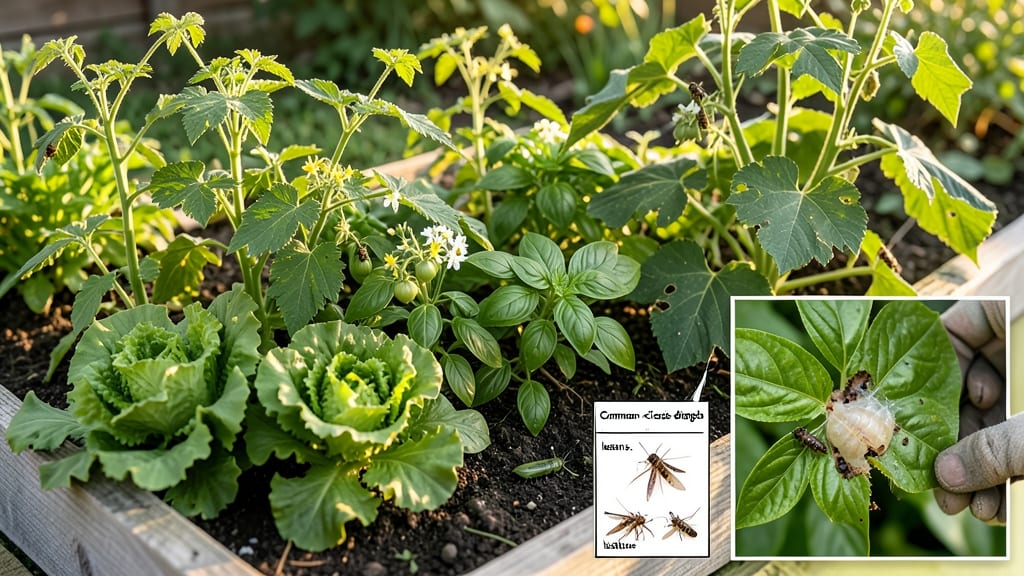
Your garden won't be eaten by cicadas—they exclusively target tree sap from hardwoods like oaks, maples, and willows using specialized mouthparts. While their underground nymphs may harm roots, adult cicadas pose zero risk to vegetables, flowers, or ornamental plants.
Cicadas are nature's tree sap specialists, not garden predators.
Their long, needle-like stylets pierce tree bark to extract xylem fluids, leaving behind telltale holes and wilting leaves on hardwoods—but never chewing through garden plants. 🌳 The real concern comes from their nymph stage: these subterranean creatures can damage shallow roots of young trees or shrubs during their 13-17 year development cycle.
For gardeners, this means protecting vulnerable woody plants rather than worrying about your prized tomatoes or marigolds.
Interestingly, cicadas actually benefit some gardens by controlling other pests—their feeding habits disrupt aphid populations. The key difference lies in their biology: adult cicadas are sap feeders with no chewing mouthparts, while their nymphs are root feeders during their underground years.
This specialized diet explains why you'll never find cicadas munching on your lettuce or nibbling your petunias.
💡 In This Article
- How Cicadas Interact with Plants: Sap Feeding vs Root Damage
- Protecting Trees and Gardens from Cicada Damage
How cicadas interact with plants: sap feeding vs root damage
Adult cicadas possess specialized mouthparts called stylets, which function like hypodermic needles to penetrate tree bark and access the xylem vessels. These hollow tubes carry water and nutrients up to 10 feet high in trees, providing cicadas with their sole food source.
When a cicada inserts its stylets, it creates tiny holes—typically 1/16-inch wide—that allow sap to flow freely. The process is similar to how aphids feed, but cicadas target only hardwoods like oaks, maples, and willows, never herbaceous plants or vegetables.
The damage occurs when cicadas cluster in large numbers, causing sap leakage that weakens trees by reducing their water transport capacity. You'll notice wilting leaves, yellowing foliage, or even branch dieback on heavily infested trees.
Interestingly, this feeding behavior triggers a defensive response in trees: they produce gum-like substances to seal the wounds, which you might mistake for disease symptoms.
The key difference is that cicadas never chew leaves or stems—they're strictly sap extractors, leaving behind clean puncture marks rather than ragged edges from chewing insects.
Contrast this with cicada nymphs, which spend 13-17 years underground feeding on root xylem fluids. Their damage manifests as stunted growth or sudden wilting in young trees, particularly those with shallow root systems like fruit trees or newly planted shrubs.
The nymphs use their stylets to pierce roots, creating entry points for fungal infections. This underground activity explains why you might see sudden decline in woody plants during emergence years—when thousands of nymphs transform into adults simultaneously.
What most gardeners overlook is that cicadas actually provide an ecological service by controlling other pests. Their feeding disrupts aphid colonies, which often share the same tree hosts. In fact, studies show that heavy cicada infestations can reduce aphid populations by up to 40% in affected areas.
The trade-off is that their sap feeding can stress trees, making them more susceptible to secondary pests like borers or beetles that exploit weakened wood.
Here's what makes cicadas unique among garden pests: they lack the chewing mouthparts found in beetles or caterpillars. Their entire life cycle revolves around fluid extraction—whether from tree bark or roots—meaning they'll never eat your garden vegetables.
Even their droppings, called frass, are harmless to plants, though they can create unsightly deposits on patios or sidewalks during emergence periods.
The real damage threshold occurs when cicada populations exceed 10,000 adults per acre. At this density, trees may experience significant stress, but herbaceous plants remain completely unaffected.
This explains why you might see leaf damage on your oak tree but find your tomato plants completely unharmed during peak cicada seasons.